https://arab.news/jsa7f
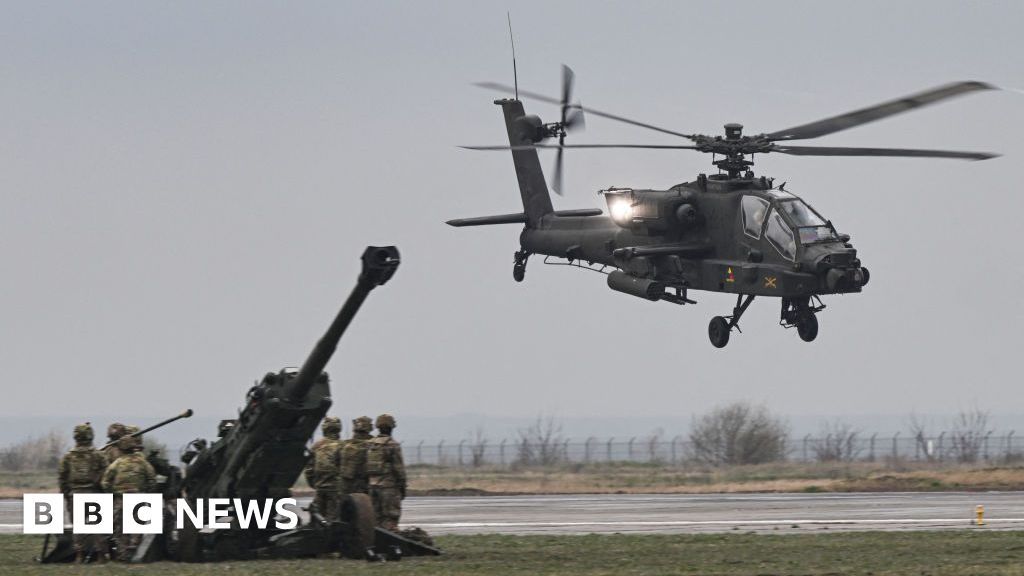
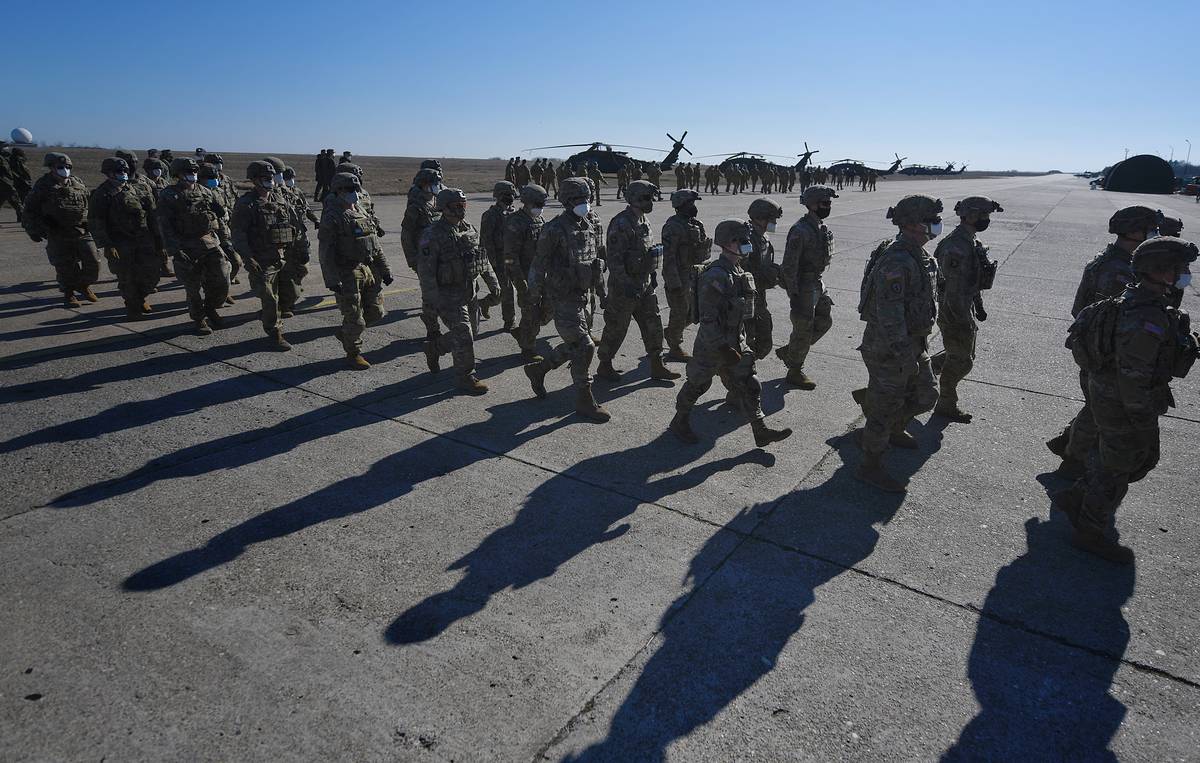
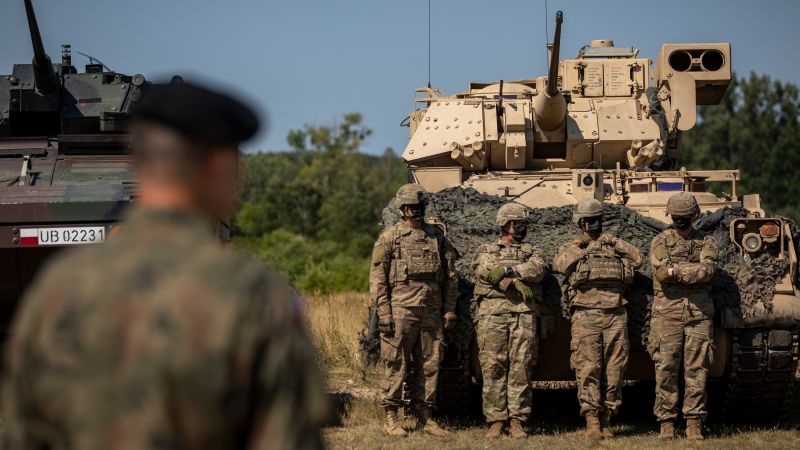
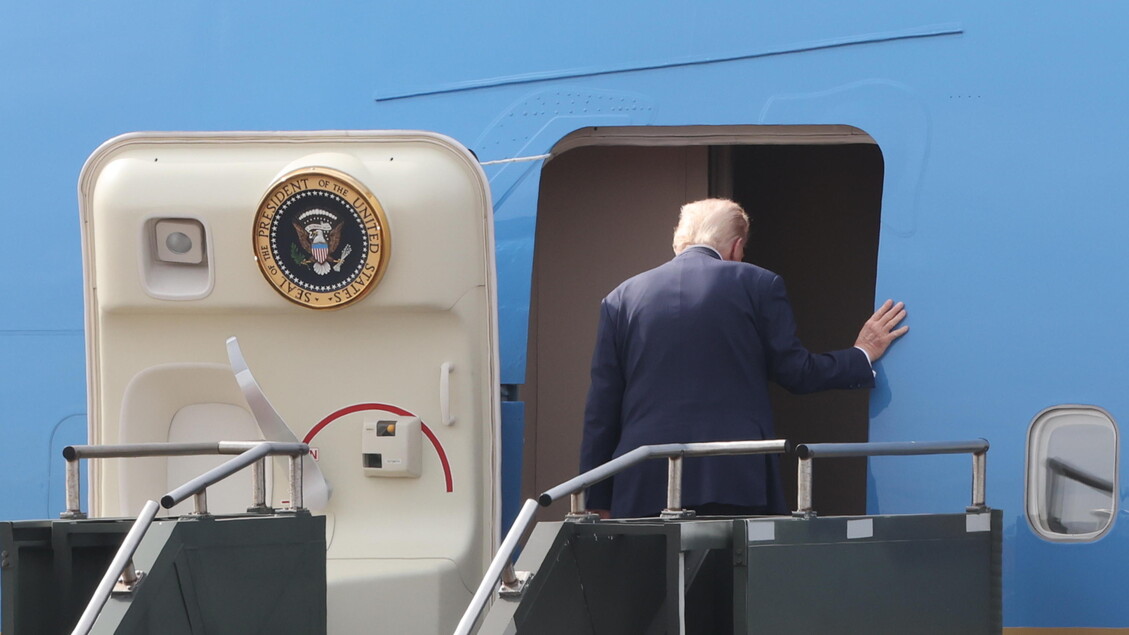
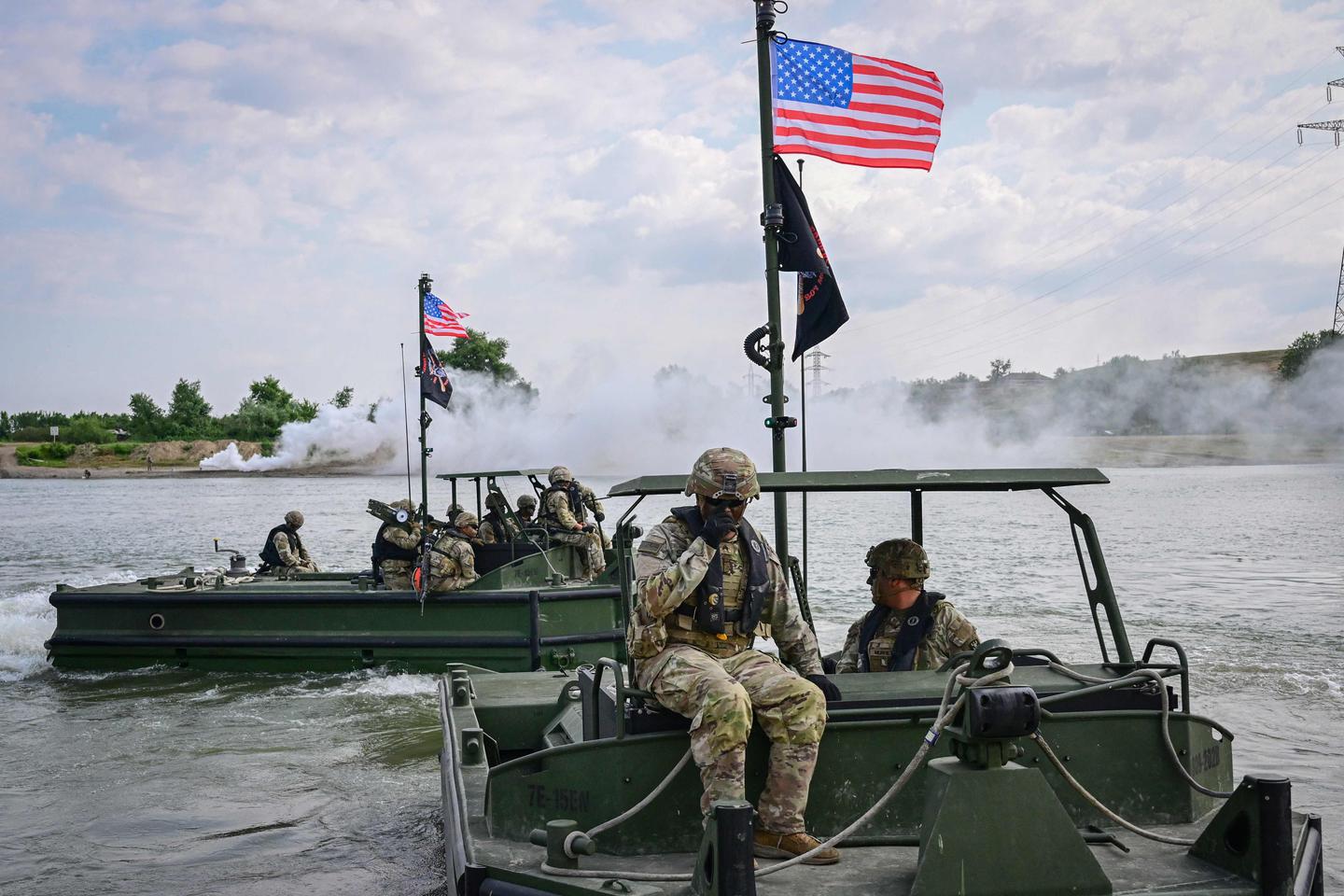
It was last month announced by the Pentagon that up to 1,000 US troops currently stationed in Romania will be brought home without any replacements being sent. This decision ruffled feathers within the foreign policy community in Washington, including among members of President Donald Trump’s own party.
There have been three main criticisms. The chairs of the House and Senate Armed Services Committees, Rep. Mike Rogers and Sen. Roger Wicker, respectively — both Republicans — quickly released public statements condemning the move. They argued that at a time when pressure is being put on Russia to come to the negotiating table over Ukraine, it is not the moment to reduce the US military presence in Europe. In addition, there was no formal coordination with Congress on this decision, even though current defense legislation restricts reductions in America’s military presence in Europe unless certain certifications are provided to Congress.
Second, the announcement came in what felt like a policy vacuum. For months, the administration has been promising a new Global Posture Review “by the end of the summer.” This is intended to determine where US military forces are needed around the world and where troop numbers should change. Yet, even though we are now into November, there is still no review in sight. This has led many to wonder how a decision to remove US forces from Europe could be made in isolation from the broader strategic review that is supposed to be underway.