https://arab.news/6vm43
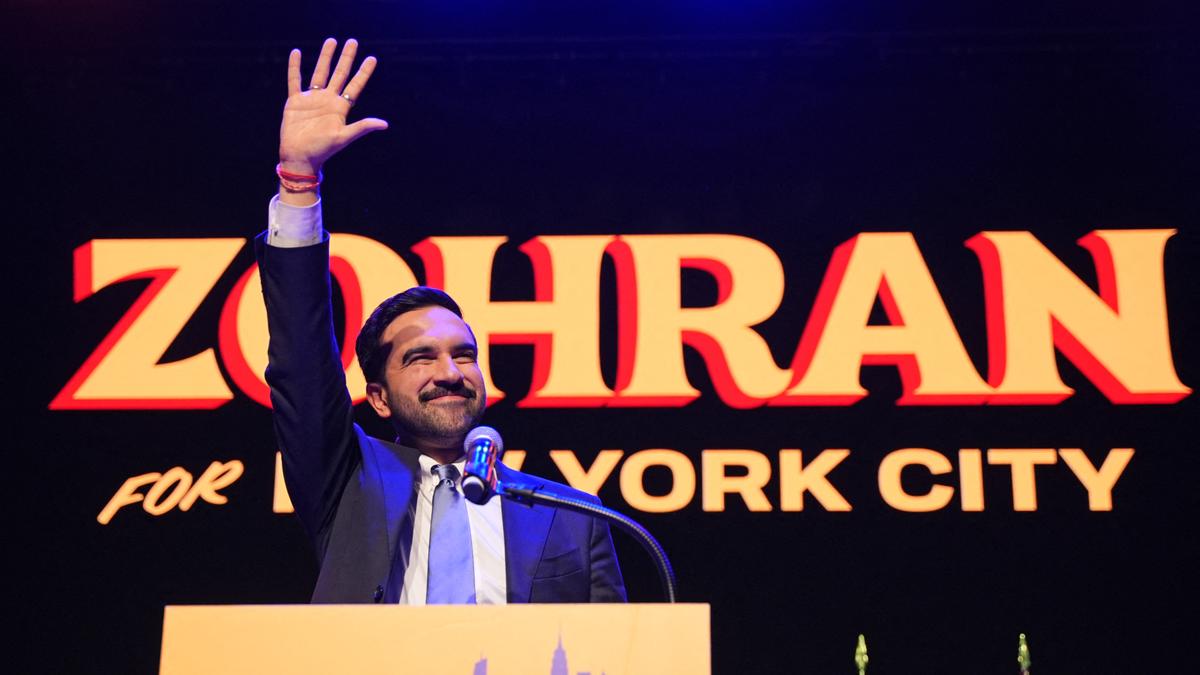
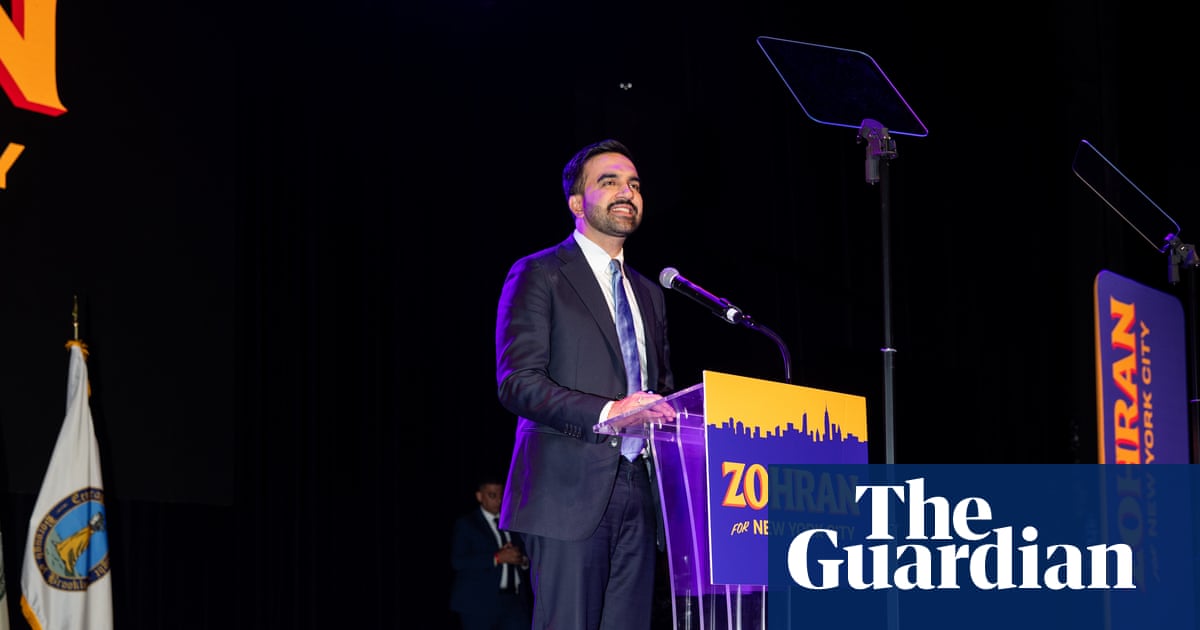
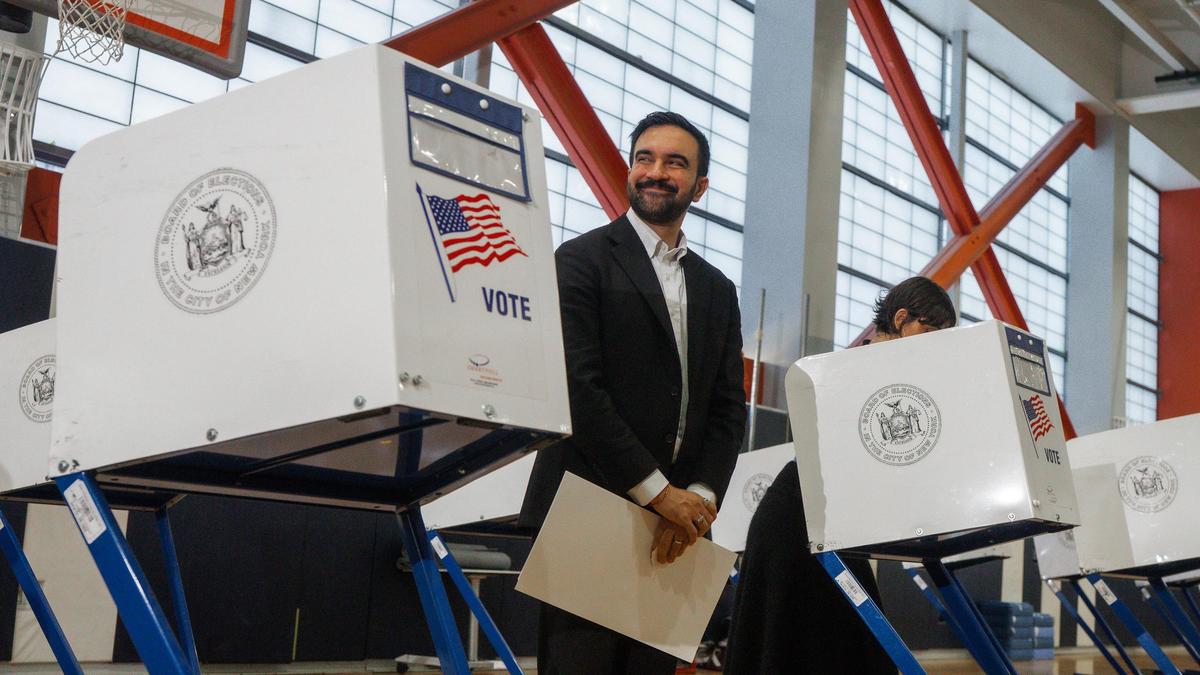
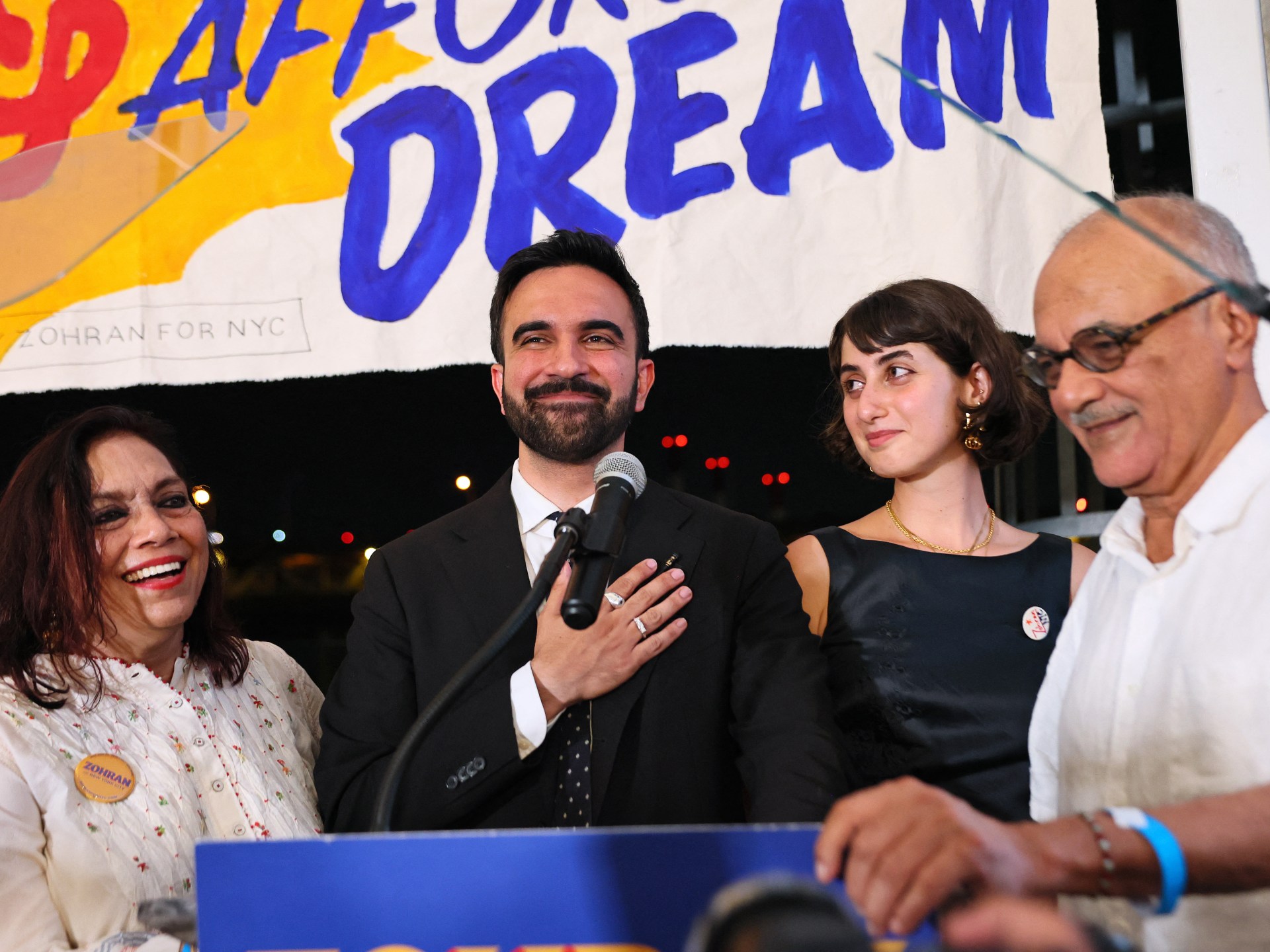
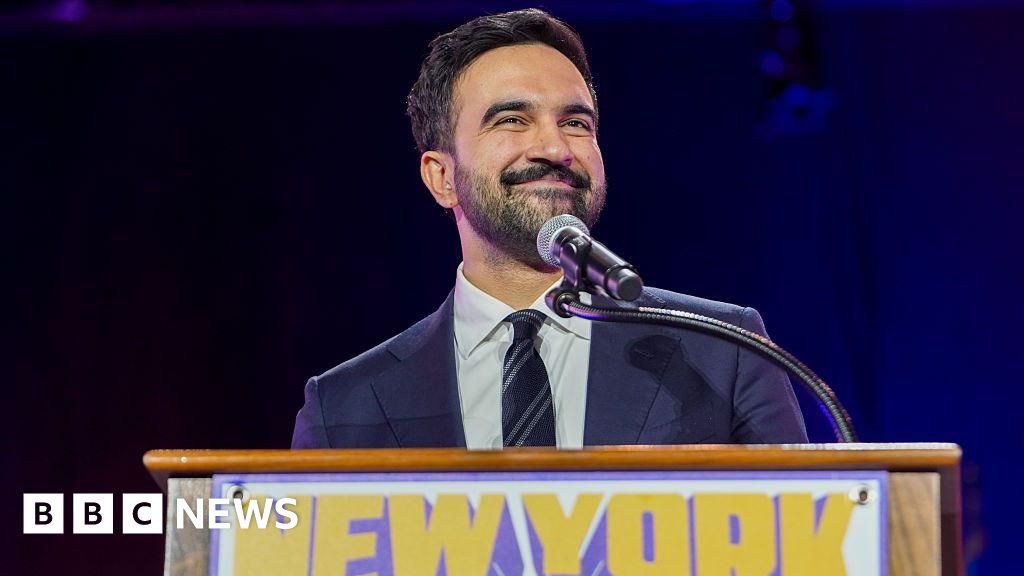
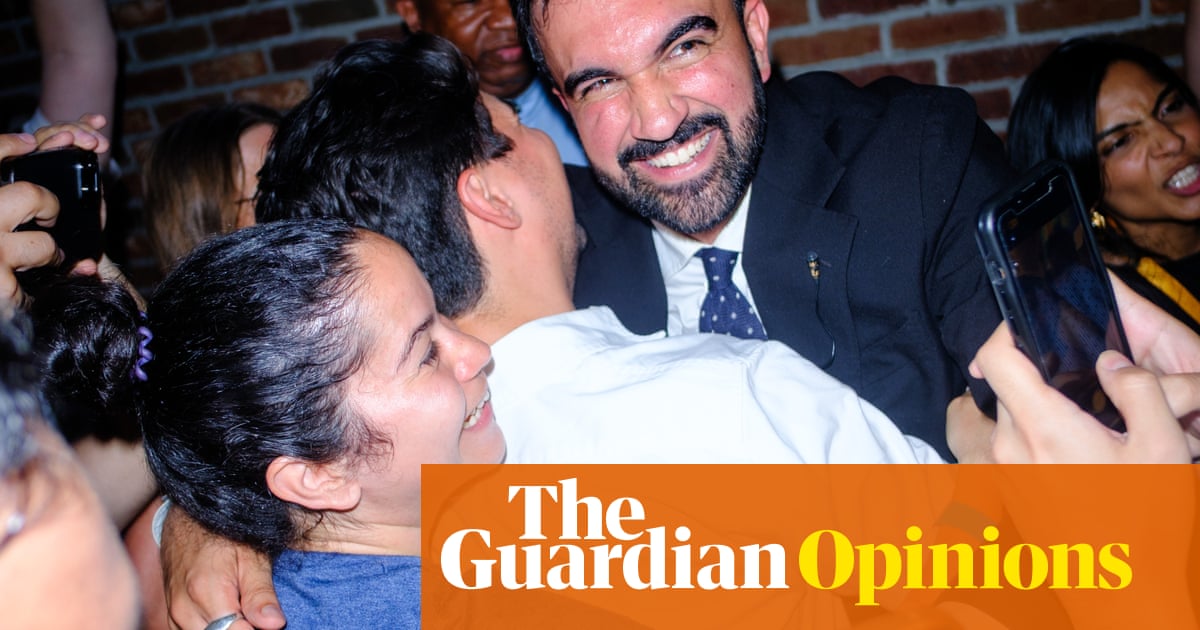
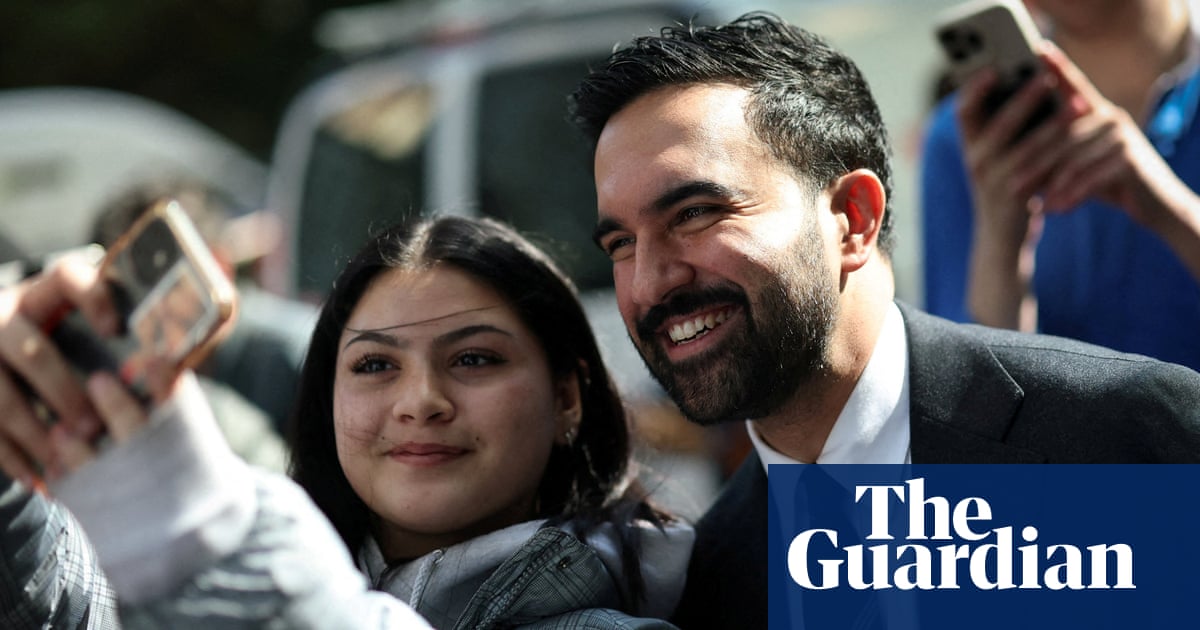
In the aftermath of last week’s elections in the US, the victory of Zohran Mamdani in the New York City mayoral contest stands as a pivotal moment in American politics. As a Muslim Democratic socialist, Mamdani’s ascent to what is often regarded as the second-most-challenging executive position in the US — after the presidency — signals a profound shift in voter priorities amid widespread economic anxiety.
Mamdani’s campaign captured national attention as an archetypal outsider bid in a city synonymous with wealth and power. Securing 50.4 percent of the vote in the election, he defeated independent candidate Andrew Cuomo and Republican Curtis Sliwa, marking a departure from the dominance of establishment figures. This result contrasts sharply with the 2013 mayoral race, in which Democrat Bill de Blasio triumphed with 73 percent, highlighting the fragmented political landscape of today.
Yet, Mamdani’s win was not an isolated phenomenon. More indicative of national trends were the gubernatorial contests in Virginia and New Jersey, states with competitive political environments.
In Virginia, Democrat Abigail Spanberger decisively defeated Republican Winsome Earle-Sears, garnering just over 57 percent of the vote compared to Earle-Sears’ 42 percent. Spanberger, a former congresswoman, campaigned as a centrist, emphasizing economic stability and infrastructure improvements, while sidestepping divisive cultural debates.