To learn more about the CNBC CFO Council, visit cnbccouncils.com/cfo
In this article
Elon Musk’s bid to become the world’s first trillionaire increasingly rests on a single proposition: that Tesla
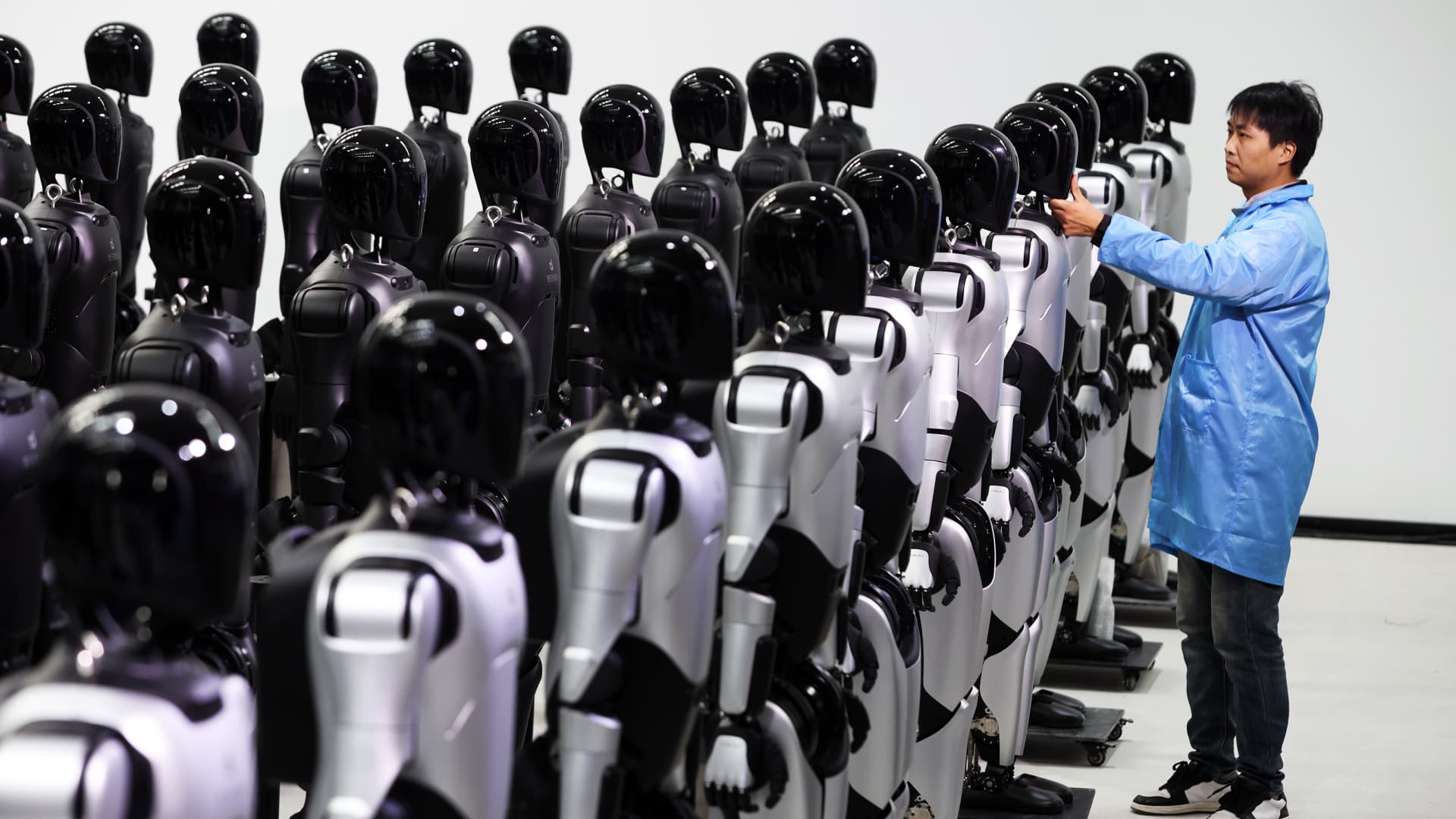
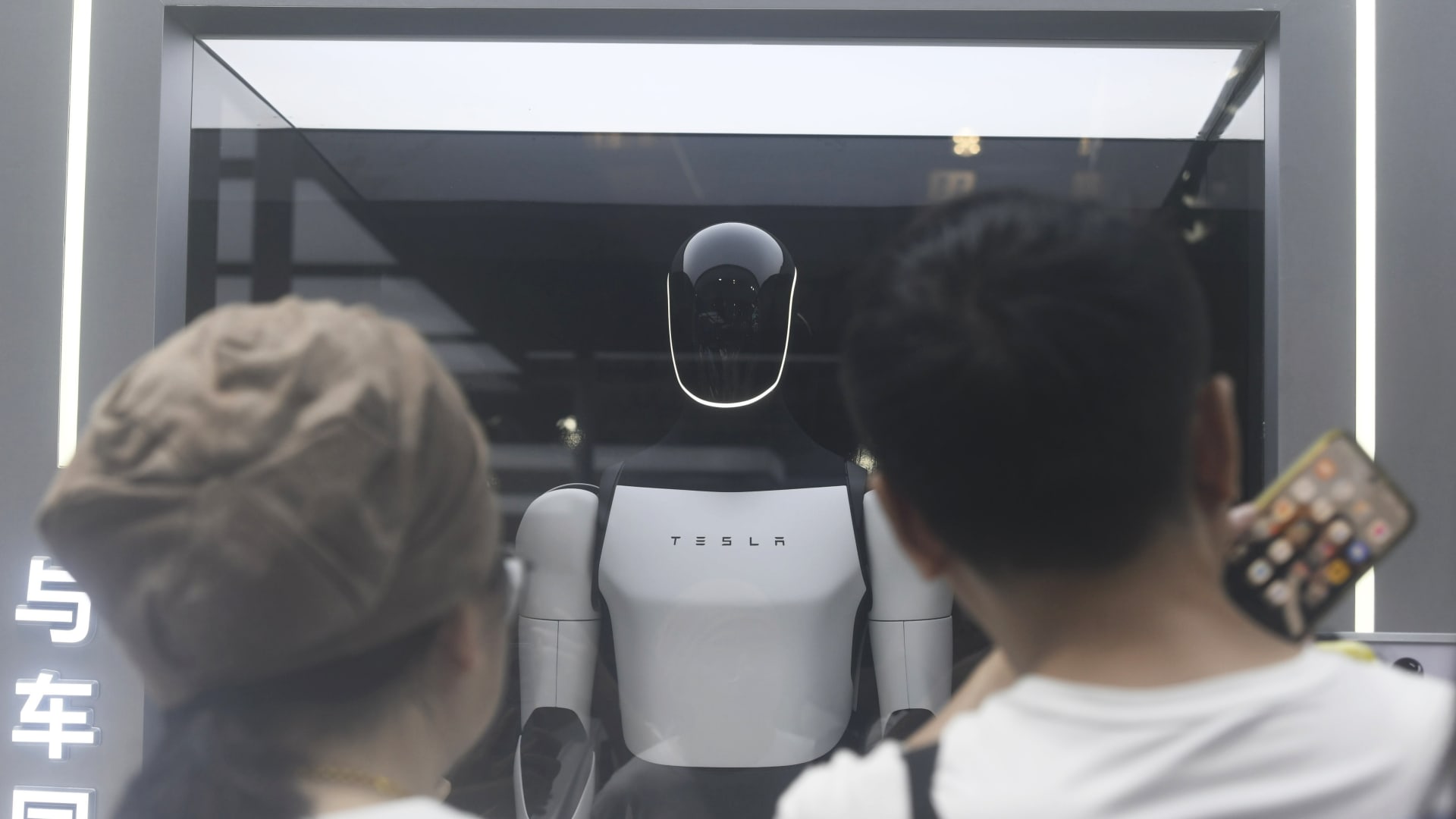
can evolve from an electric-vehicle company into a robotics powerhouse. Musk has made the case repeatedly that the company’s future valuation depends not on cars but on full autonomy and an “army” of humanoid robots called Optimus that could one day perform the work of millions. It is a bold vision and a huge bet — one many technologists believe is both technologically plausible and financially transformative.
But let’s take a step back and level-set on one inconvenient truth investors may be underestimating amid all the swagger: Musk’s great vision only scales if China permits it to scale. And as Beijing finalizes the framework of its 15th Five-Year Plan (15FYP), China is signaling that robotics and embodied AI are its future domain — national capabilities that Xi Jinping sees as central to the country’s industrial future. That means Musk isn’t just competing with Silicon Valley. He is competing with the full force of the Chinese state and its determination to make robotics a driving engine of the next stage of national development.