From Southampton to Sarajevo, urban mosaicists are transforming city spaces and bringing communities together – one tile at a time
O
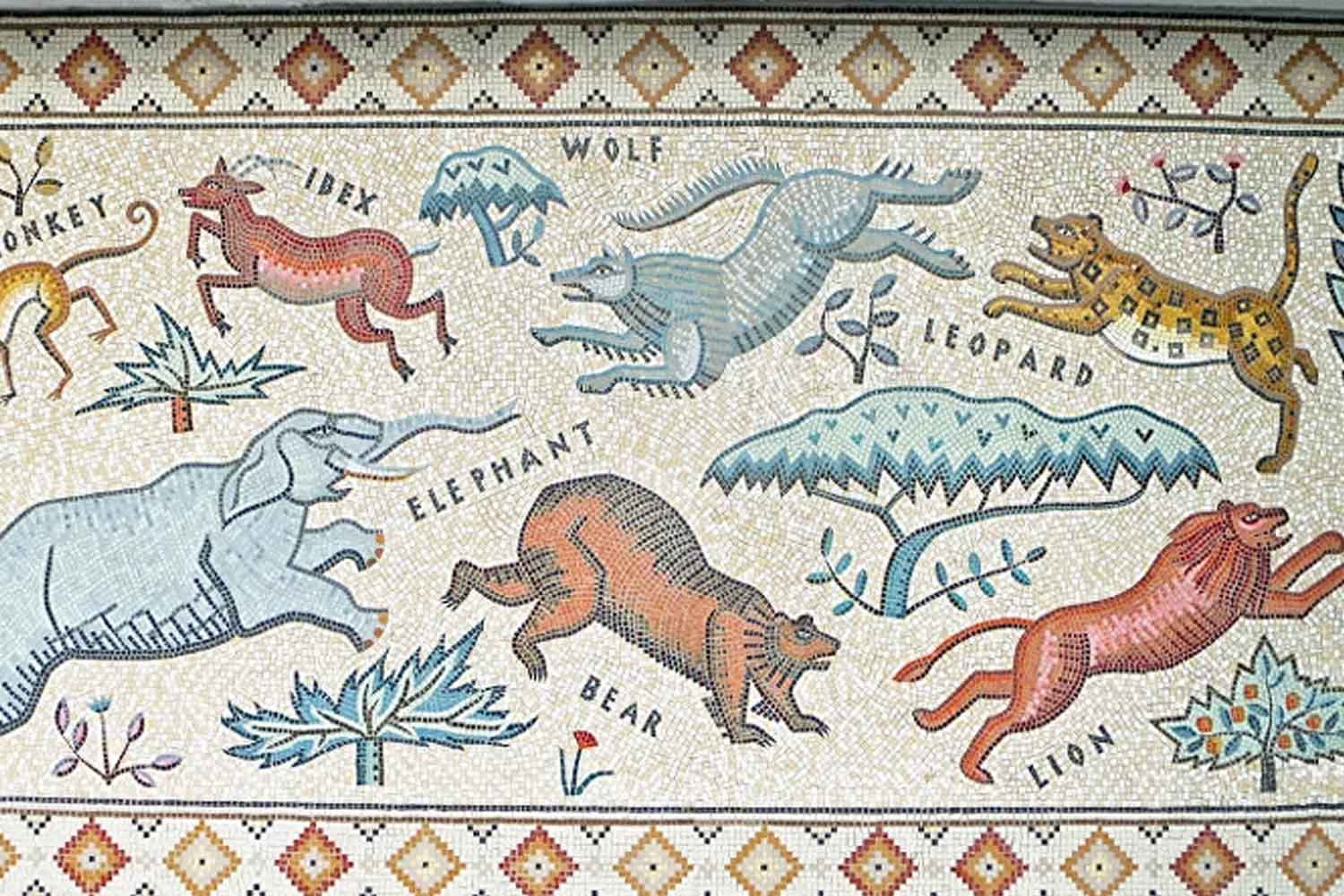
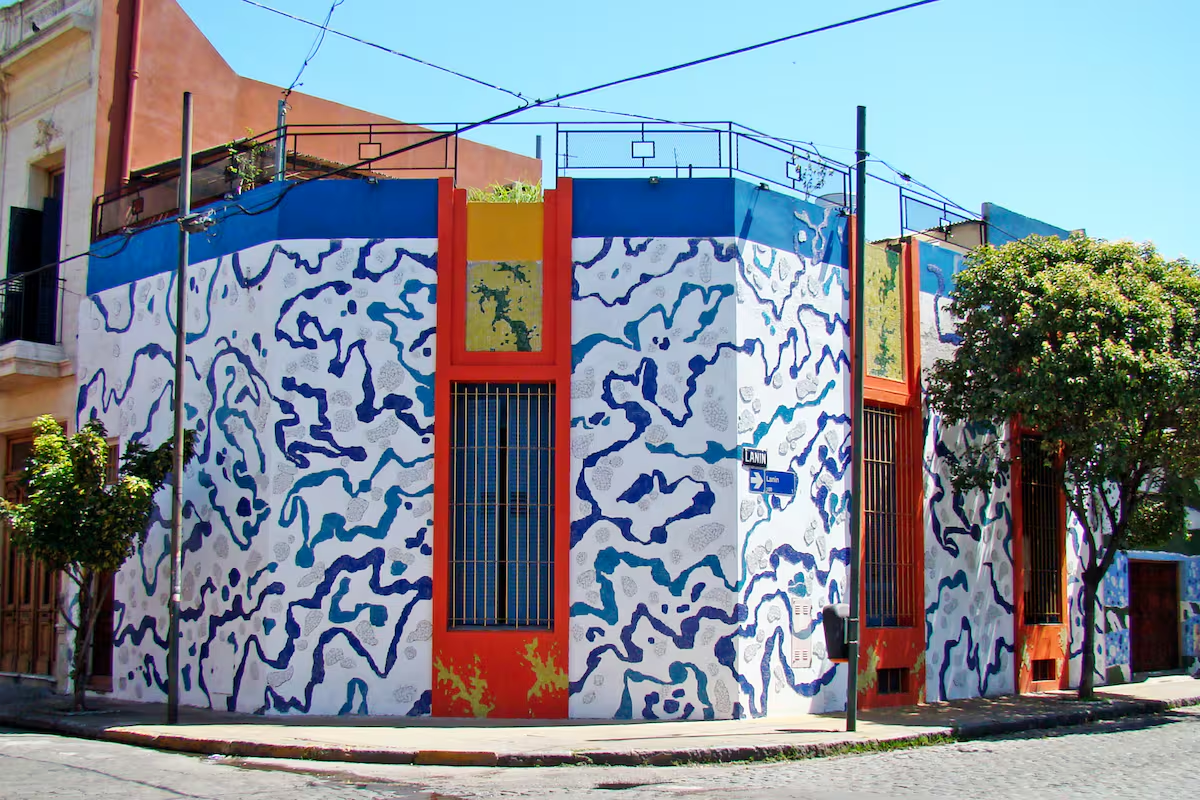
ur cities are full of grey tower blocks built for efficiency rather than aesthetics. Public benches are made of cheap concrete, pavements are falling apart, old structures are left derelict. Amid this backdrop of unloved, muted ugliness, a new wave of guerrilla mosaicists are enlivening their cities with beautiful, colourful designs.
These artists rarely get official sign-off for their work. The legality of their art can be murky, with one of the medium’s more prolific artists, Will Rosie, calling it “Permission-vague street art” (His book is aptly named Mr Mosaic: Unarrestable). Rosie installs Mr Men and other cartoon-inspired mosaics around Southampton, where he lives. He encourages volunteers to assist him with projects to make the art form more accessible. “People are bored and missing community,” the 52-year-old youth worker says. “I want to make the city a better place, and people can see that. And they love that I’m doing it without permission because it’s like: ‘Stick it to the man, you ain’t got no power over me, coppers!’”
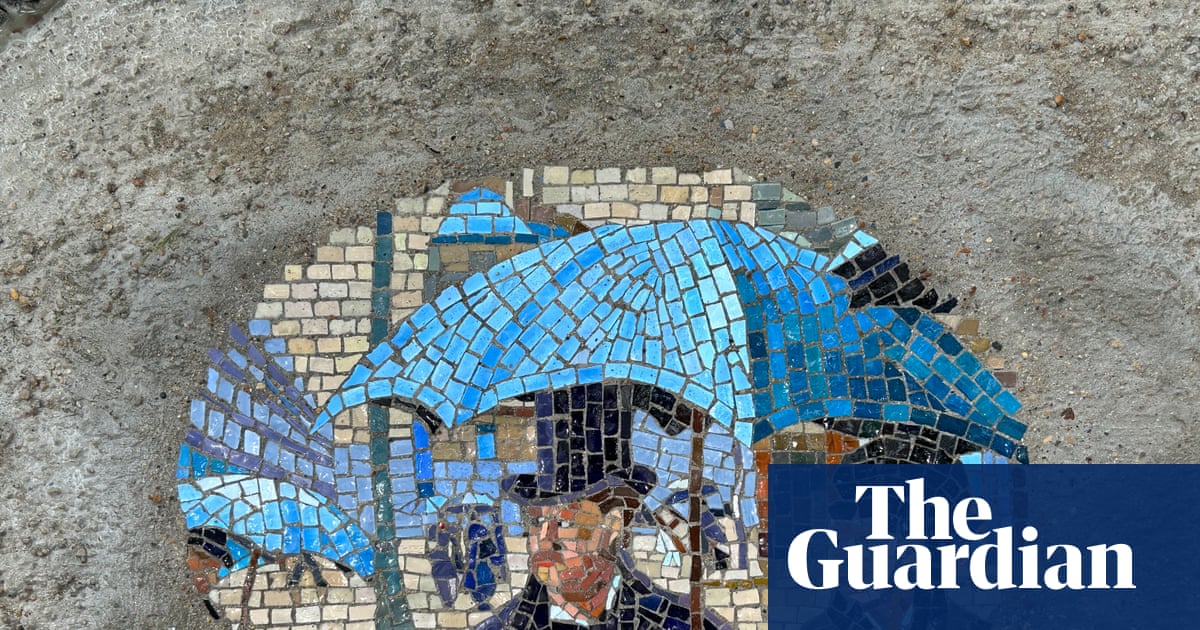
What makes these installations so joyful is their element of surprise. “You walk down a grey street and suddenly there’s an explosion of colour,” says Ememem, an anonymous Lyon-based artist famous for their “flacking” work, which involves using materials such as fragmented ceramic, marble and wood to install intricate geometric tiling in cracks on the ground. “It’s a repair, but also a poetic gesture,” he says. “In a time when we throw away and replace everything, the idea of repairing touches something deep.”