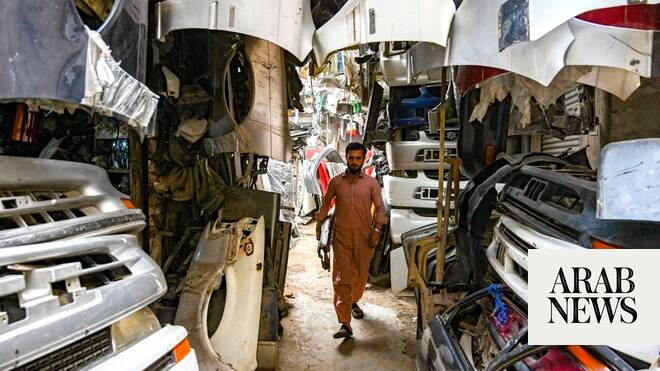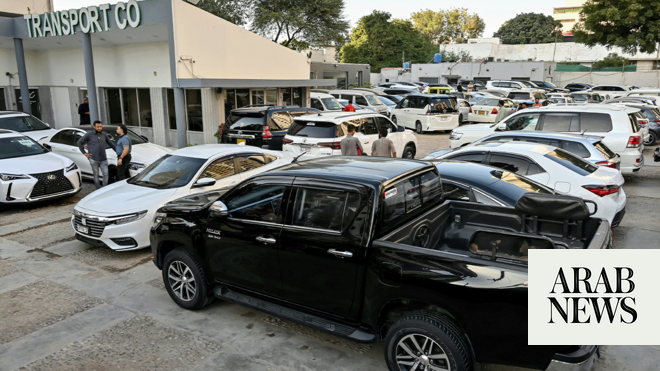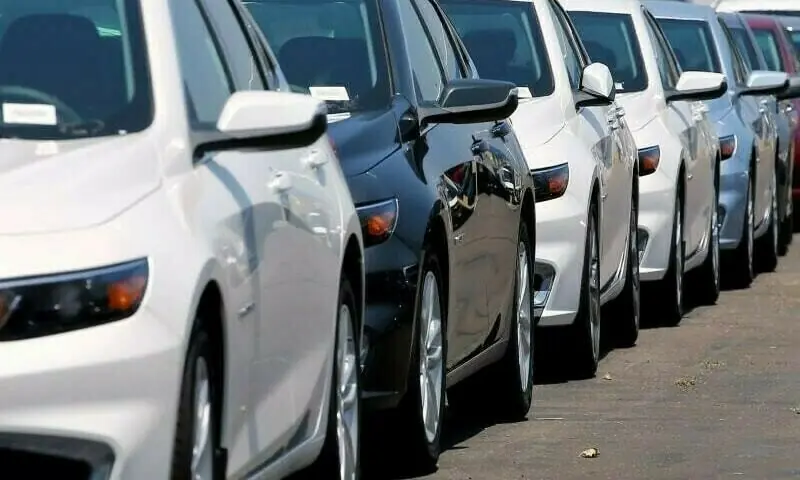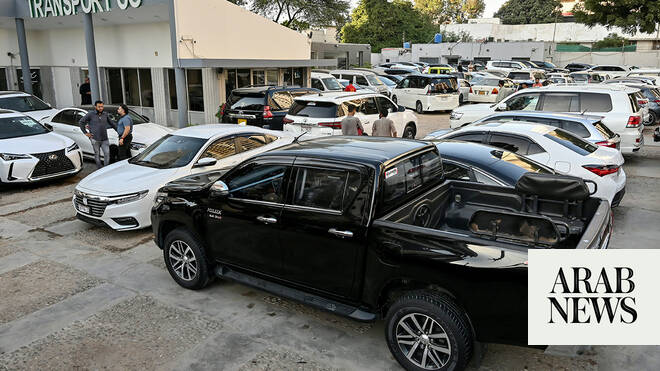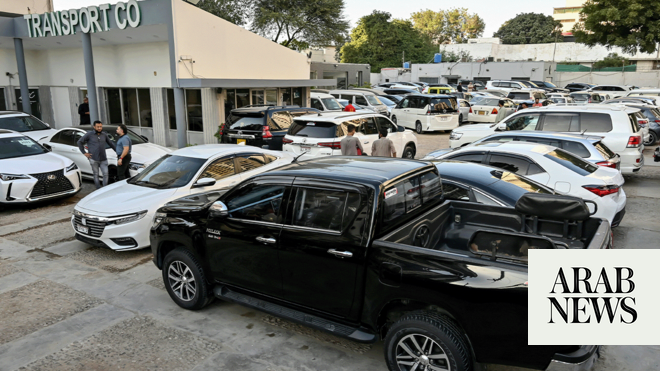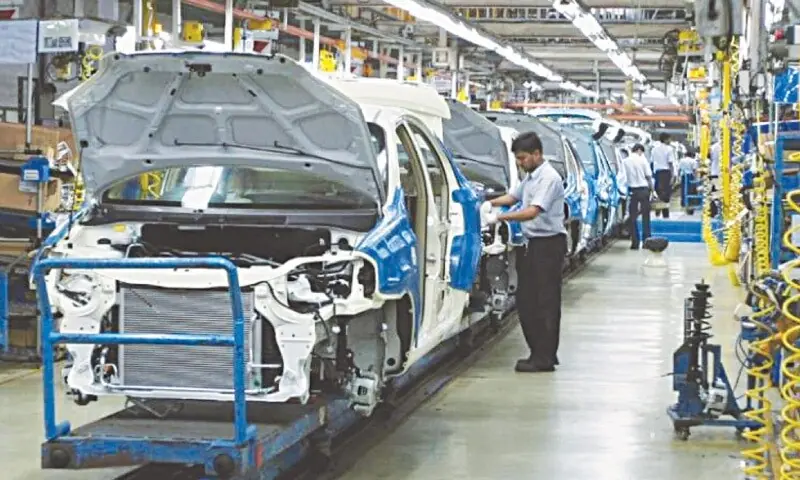
KARACHI: Economists and industry groups warned this week that cash-strapped Pakistan’s plan to allow commercial imports of used cars, part of policy reforms aligned with the International Monetary Fund’s $7 billion bailout program, could deepen pressure on its fragile foreign exchange reserves and undermine the domestic auto sector.
At least half a dozen leading manufacturers and assemblers — including Toyota, Honda, Suzuki, Hyundai, Kia Motors, and Changan Automobile — have already lost more than a quarter of their market share to informal imports under existing baggage, gift and transfer-of-residence (ToR) schemes. These channels, widely misused for commercial purposes, have cost the government tax revenue and displaced local production, according to the Pakistan Association of Automotive Parts and Accessories Manufacturers (PAAPAM).
Shehryar Qadir, senior vice chairman at PAAPAM, said Pakistan’s reserves could come under new strain if vehicle imports are liberalized.
“We would need dollars once the commercial import of vehicles starts,” he told Arab News. “Where would you get those dollars from?”
Pakistan’s foreign exchange reserves have stagnated at around $14 billion since July, barely enough to cover three months of imports, while exports fell four percent to $10.4 billion in the first four months of the current fiscal year. Foreign direct investment also dropped 34 percent to $569 million in the July–September quarter, according to official data.