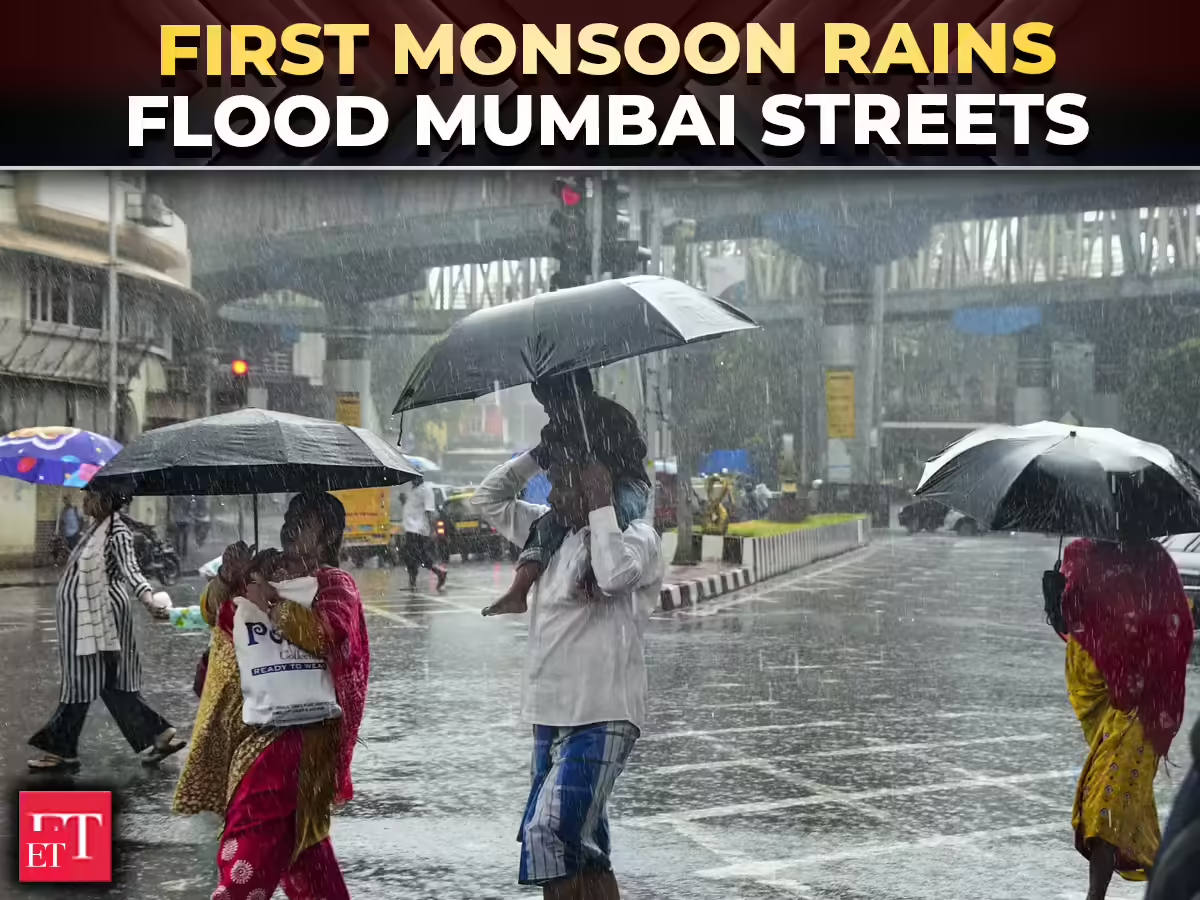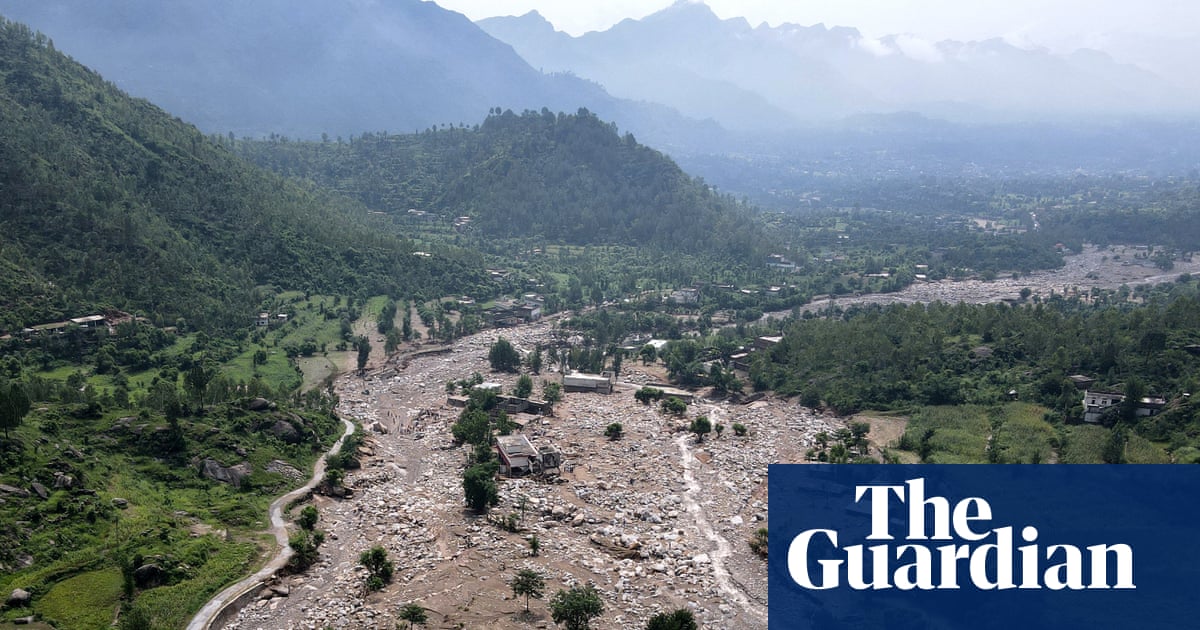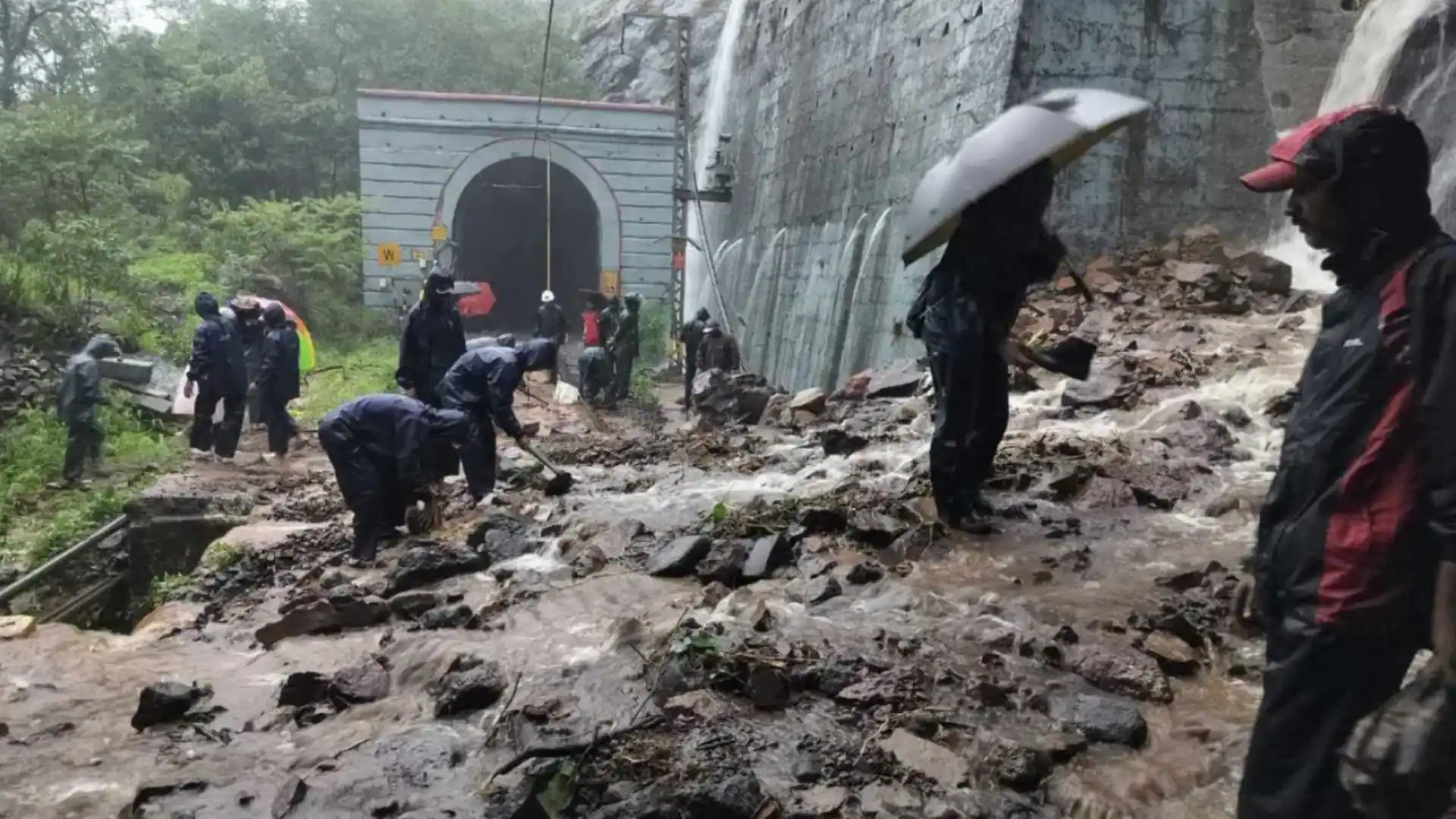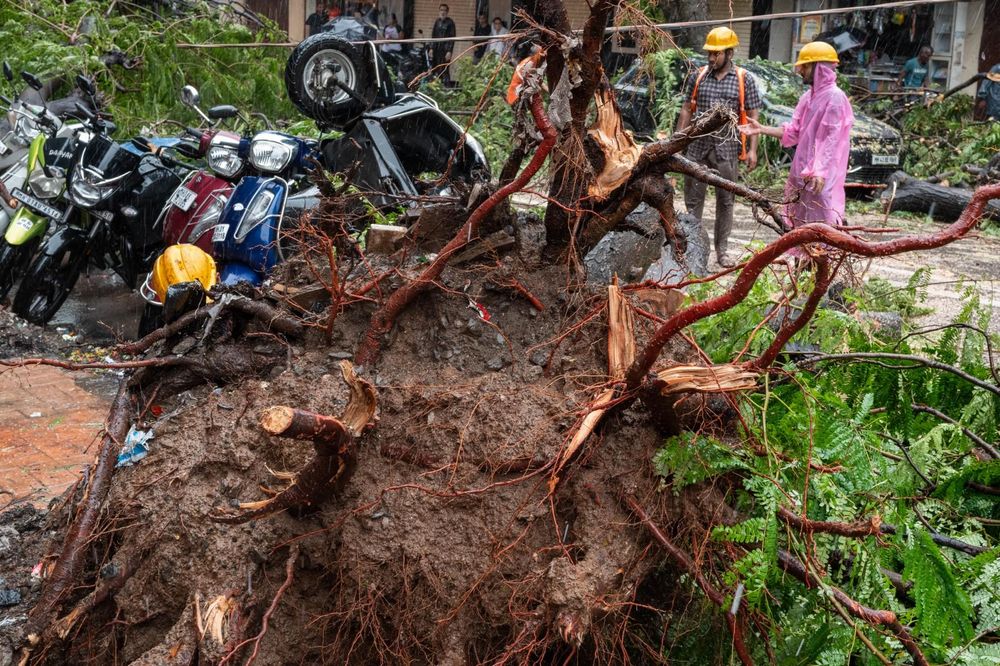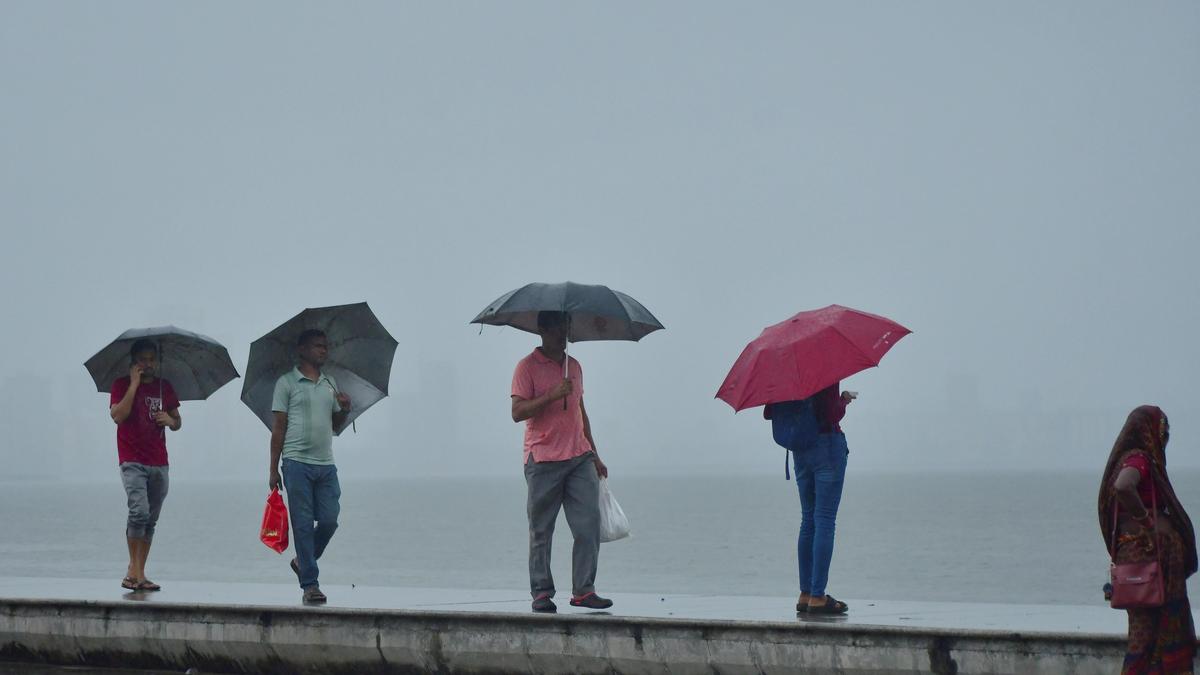
Excess rains were responsible for around 8% of Mumbai’ deaths - an average 2,500– in the monsoon season from 2006-2015, a figure “comparable” to deaths from all causes of cancer, says an econometric analysis published in the journal Nature on Wednesday (November 12, 2025).
While it is anecdotally known that flooding and water-logging from excess rains are linked to road accidents, water-borne diseases, electrocution, infrastructural damage that may kill, the study is unique in putting a number to such deaths.
The authors analysed municipal deaths records and correlated it with rainfall data during this period to calculate ‘excess mortality’ from extreme rain - or how many of the deaths, over and above what’s usual in Mumbai city in the monsoon months- could be attributable to heavy rains alone. Days that saw extremely heavy rains (15 cm or more) raised the city’s death rates by 2%.
The monsoon months of June-September frequently register days of extremely heavy rainfall made worse, as scientists say, by human-caused climate change.
The excess mortality burden of rainfall is borne unequally across age, gender and socio-economic groups. For children under the age of five, it amounts to 18% of their overall monsoon season deaths—the highest relative proportion among all age groups. 85% of deaths were reported among those who lived in slums. About 11% of the excess deaths were reported in slum residents as opposed to 2.4% at non-slum addresses.