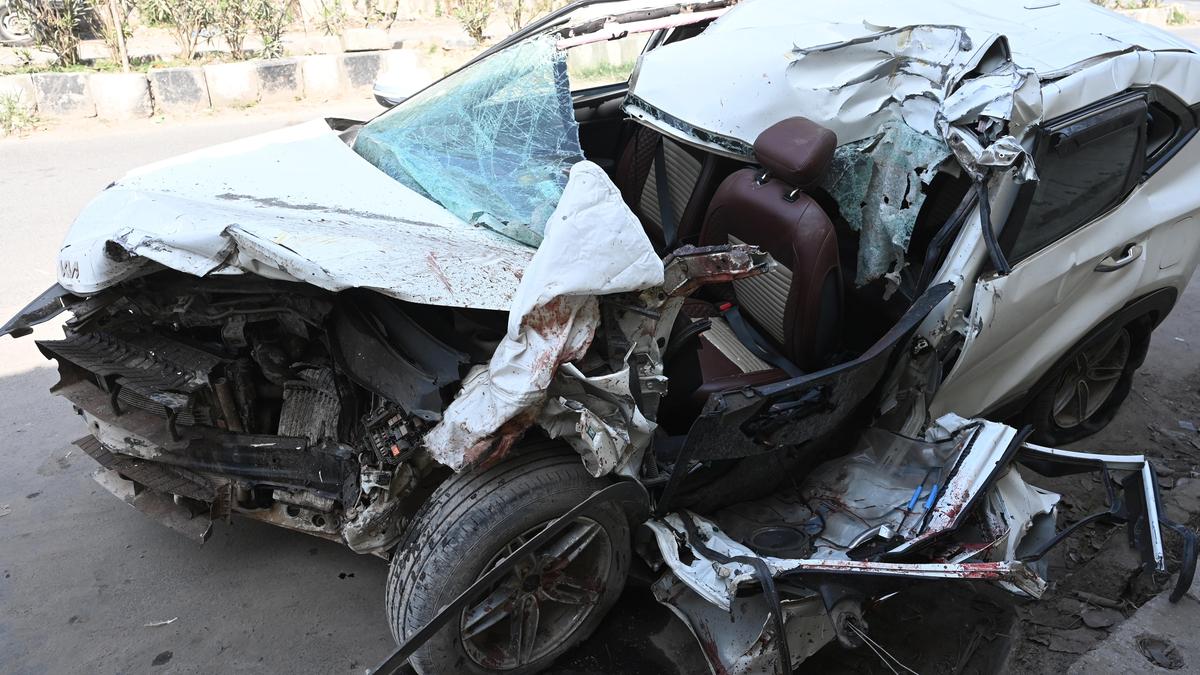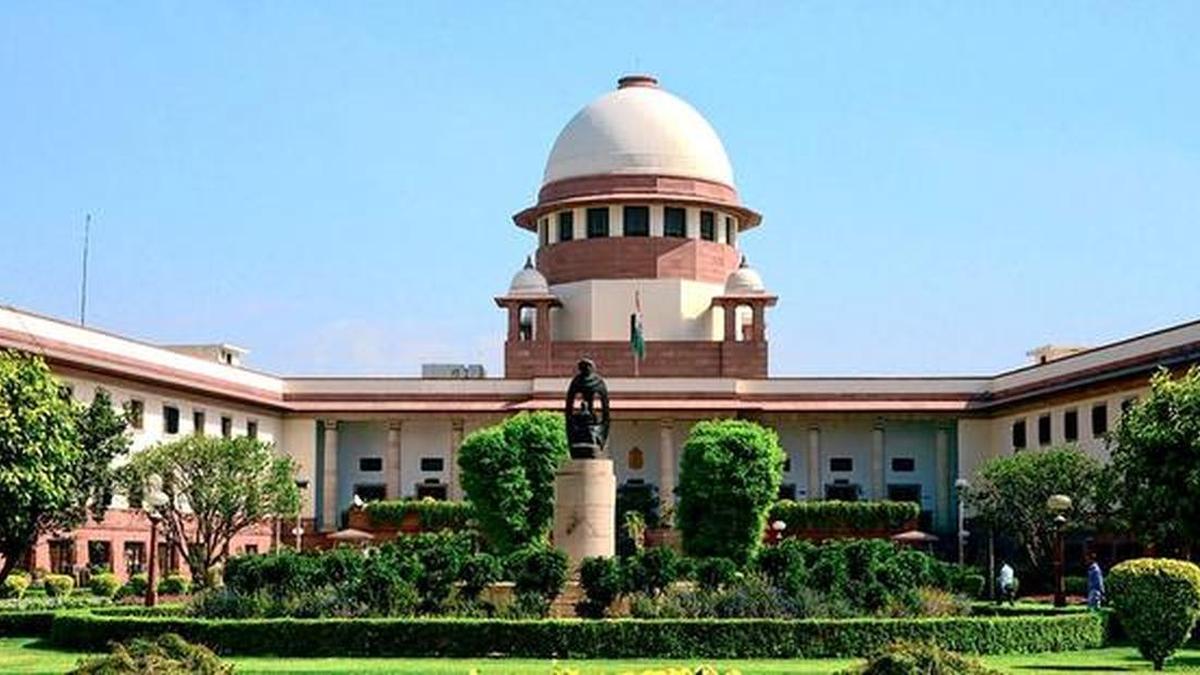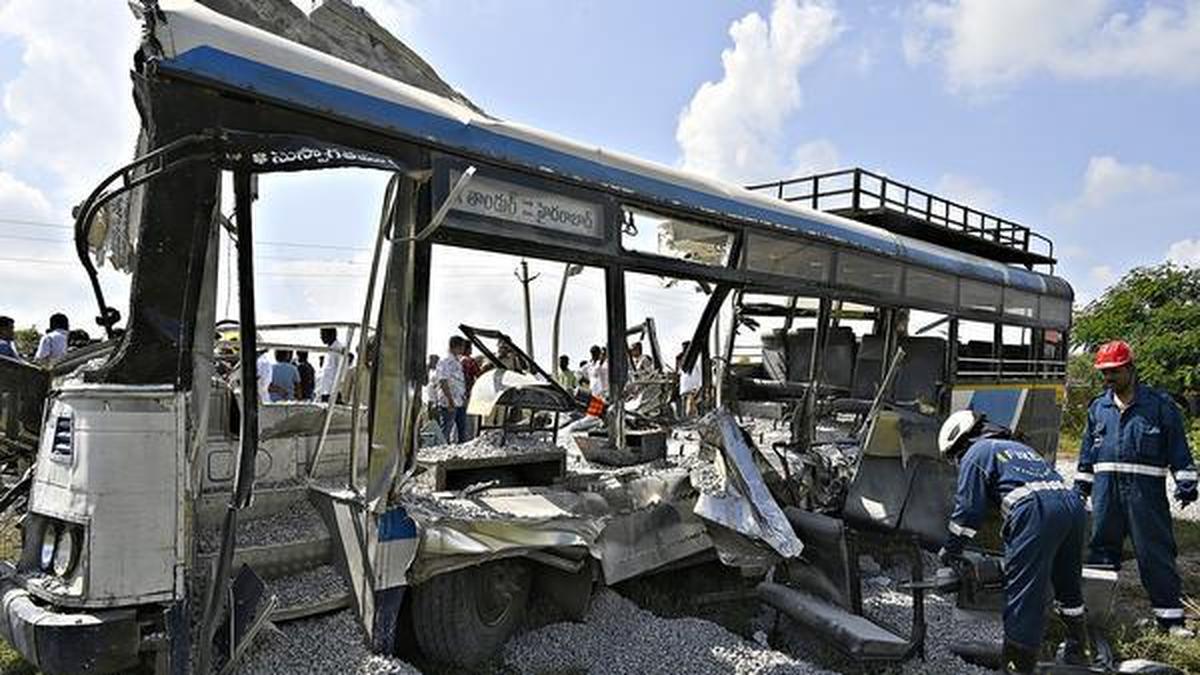
The story so far: On November 10, the Supreme Court took cognisance of two mass-casualty road crashes in Phalodi, Rajasthan (14 killed) and NH 163, Telangana (19 killed). More than 1.7 lakh lives were lost in 2023 alone due to road crashes.
What are the problems in licensing?
Licensing and training need to be the first line of defence against crashes, not just an administrative formality. The driver licensing system is meant to be a filtration process, determining who is fit to operate a vehicle and who is not. But, across much of India, driving licences can be obtained without formal training. Driving tests are often reduced to perfunctory turns on small test tracks. For commercial drivers, whose vehicles can weigh more than 15 tonnes and carry dozens of passengers, there is no structured, standardised safety training. And once a licence is issued, few checks are carried out to assess a driver’s continuing skill, physical fitness, or mental alertness. Heavily fatigued drivers — some with compromised vision or chronic illness — routinely operate heavy vehicles carrying unsuspecting passengers, with no mechanism to detect or restrict them.
What is the role of enforcement?
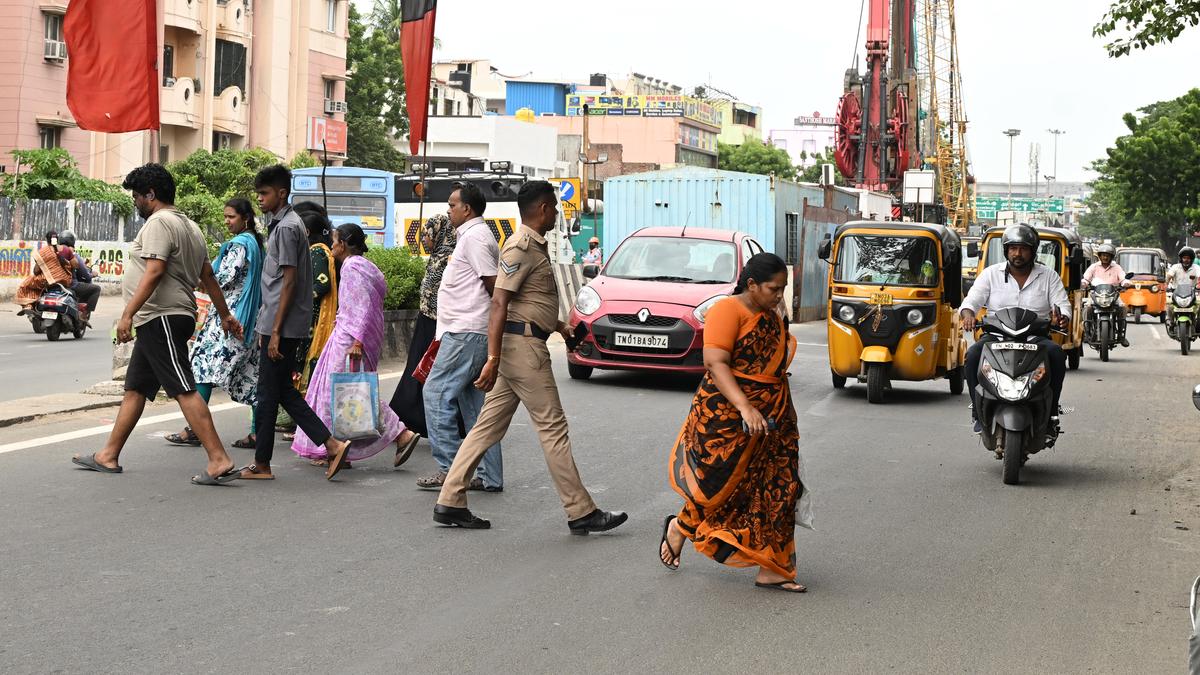
Speeding, overloading, lane violations, and driving under the influence remain among the top causes of fatal crashes. Enforcement against these, however, continue to rely heavily on resource-constrained and unskilled manual policing, making it inconsistent and susceptible to both human error and discretion. Even where technology exists — such as automated cameras and digital challan systems — coverage is limited, data integration is weak, and penalties are often not recovered. The Supreme Court has repeatedly emphasised the need for electronic enforcement standards and technology-based deterrence. But adoption remains patchy across States.