Connection of near-ubiquitous EBV to autoimmune disease affecting about 1 in 1,000 people may spur hunt for vaccine
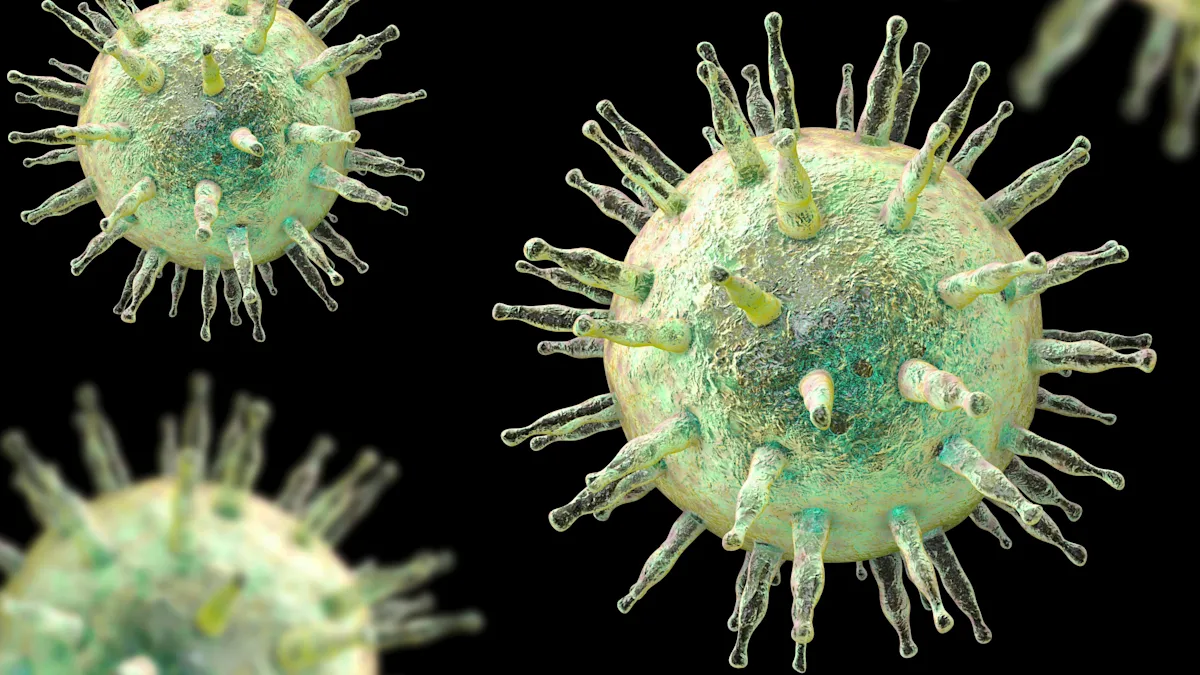
A common childhood virus appears to be the trigger for the autoimmune disease lupus, according to groundbreaking research.
The study suggests that Epstein-Barr virus (EBV), which for most people is harmless, can cause immune cells to “go rogue” and mistakenly attack the body’s own tissues. The team behind the work said that uncovering the cause of lupus could revolutionise treatments.
“We think it applies to 100% of lupus cases,” said Prof William Robinson, a professor of immunology and rheumatology at Stanford University and the study’s senior author. “I think it really sets the stage for a new generation of therapies that could fundamentally treat and thereby provide benefit to lupus patients.”
Lupus, which affects about 69,000 people in the UK, is a chronic autoimmune condition in which the immune system creates antibodies that attack the body’s own tissues. The causes have not been well understood and there is no known cure for the condition, which can cause joint and muscle pain, extreme tiredness and skin rashes.