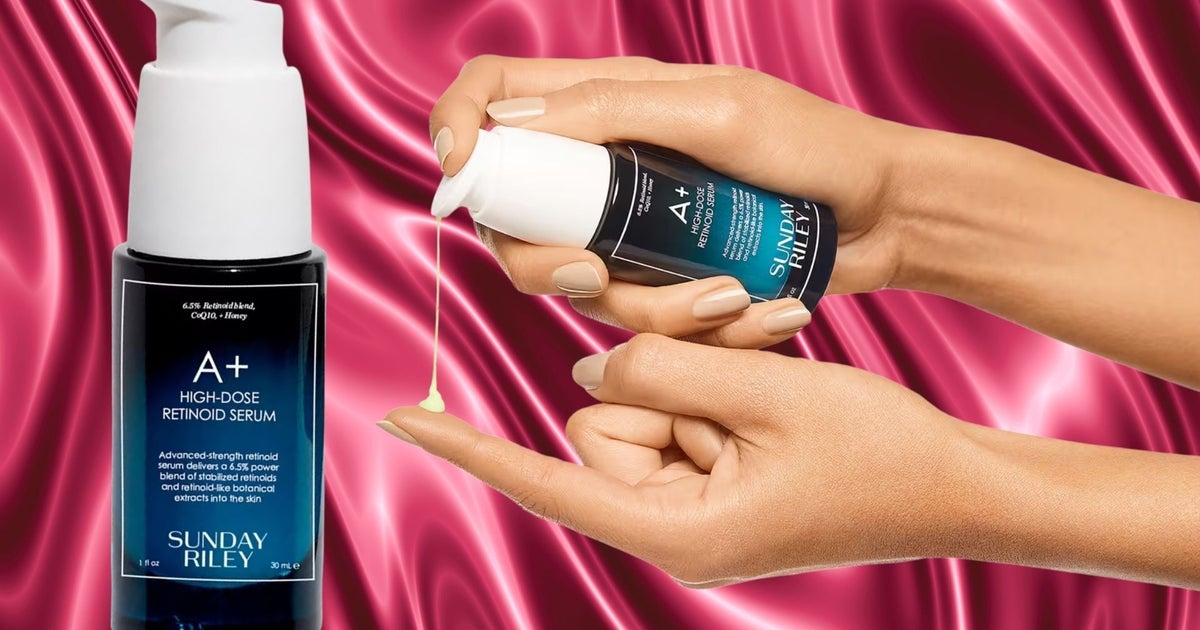
Retinoids are everywhere as a prime skin care ingredient, and for good reason. Studies suggest these derivatives of vitamin A are one of the most effective topical defenses against signs of premature skin aging. But they’re not without their fair share of side effects.
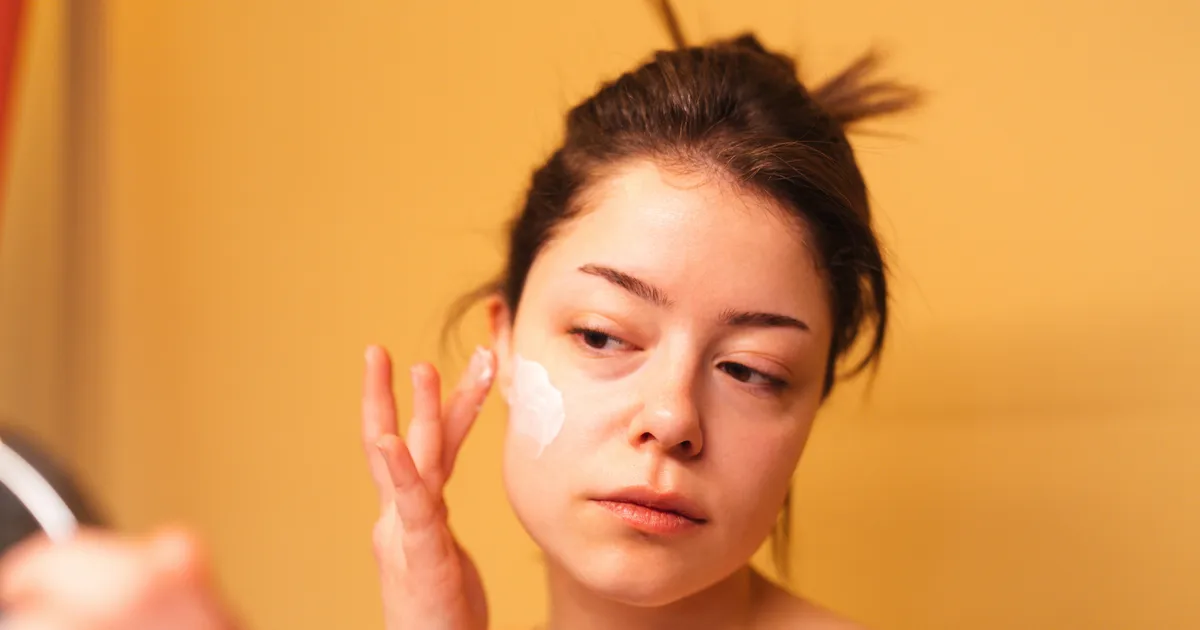
“While retinoids are often hailed as the gold standard of anti-aging topical therapy, they can very often cause irritation ― dryness, redness, peeling, and sun-sensitivity,” said Dr. Julie Karen, a board-certified dermatologist Complete Skin MD in New York City and fellow of the American Academy of Dermatology.
Optometrist and member volunteer with The American Optometric Association, Dr. Meghan Elkins, said that retinoids can also be to blame for chronic dry eyes.
“Retinol used around your eyes has the potential to damage glands along your eyelids that create the oil layer of your tear film that locks in moisture and protects your eye surface,” Elkins said. According to her, in more severe cases, dry eye can even cause a temporary decrease in vision.
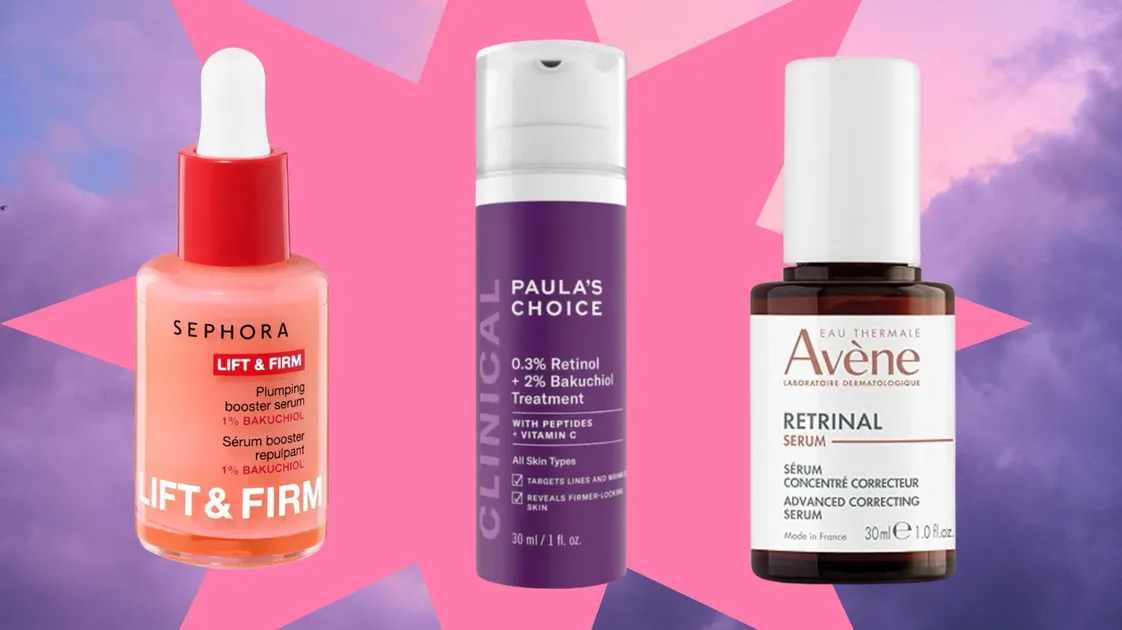
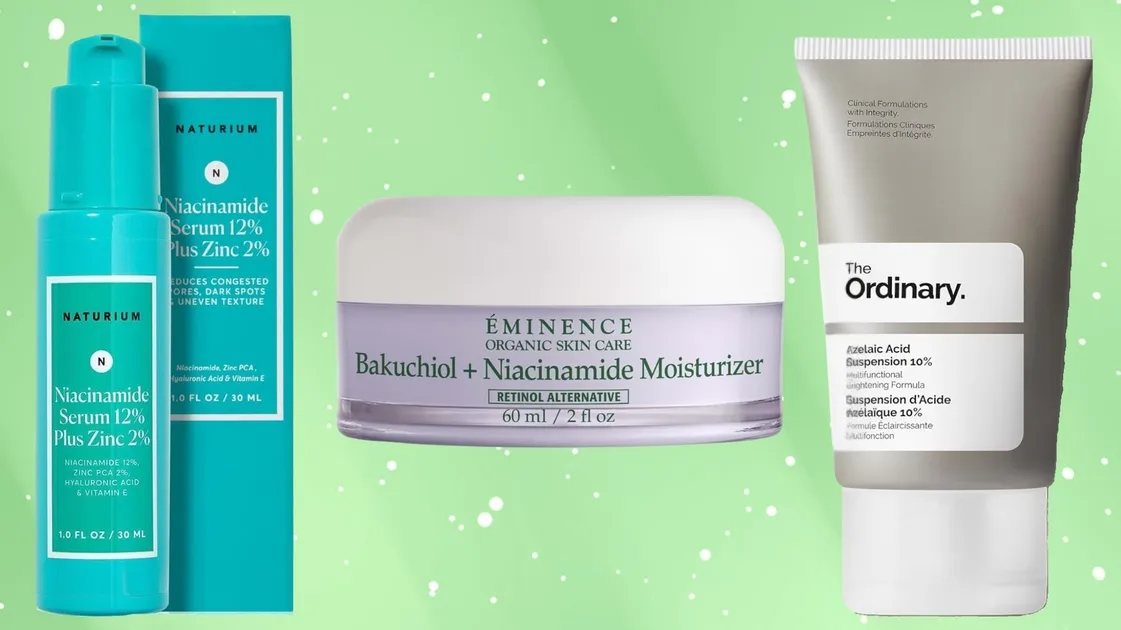
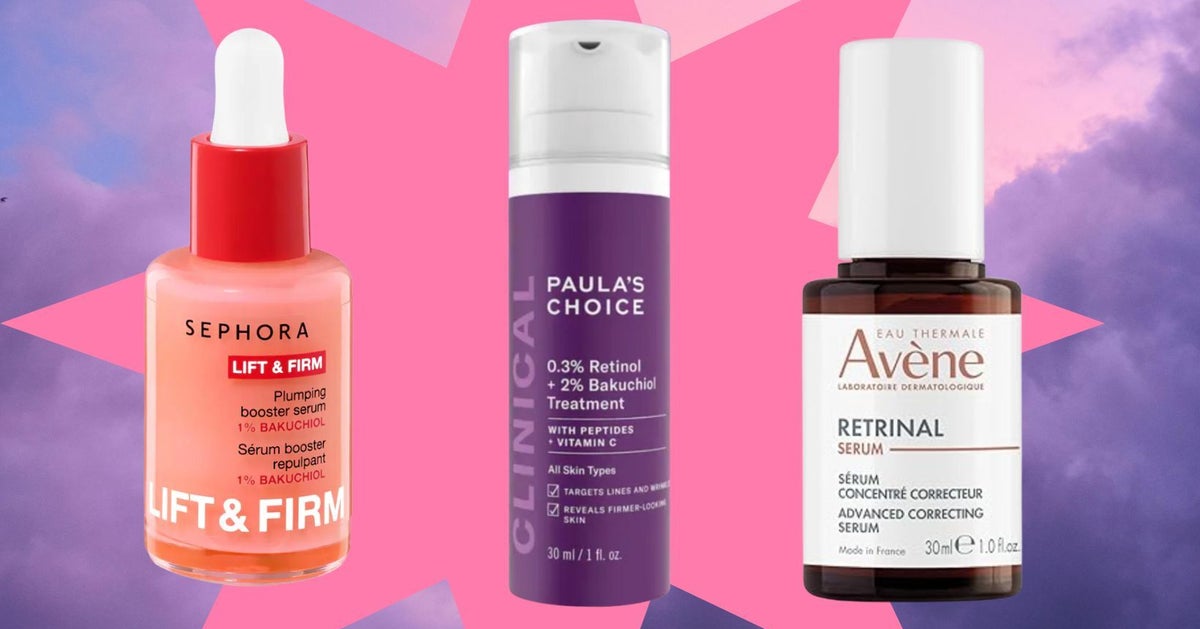
Both Elkins and Karen referenced the ingredient bakuchiol as a less irritating plant-based alternative to retinoids.