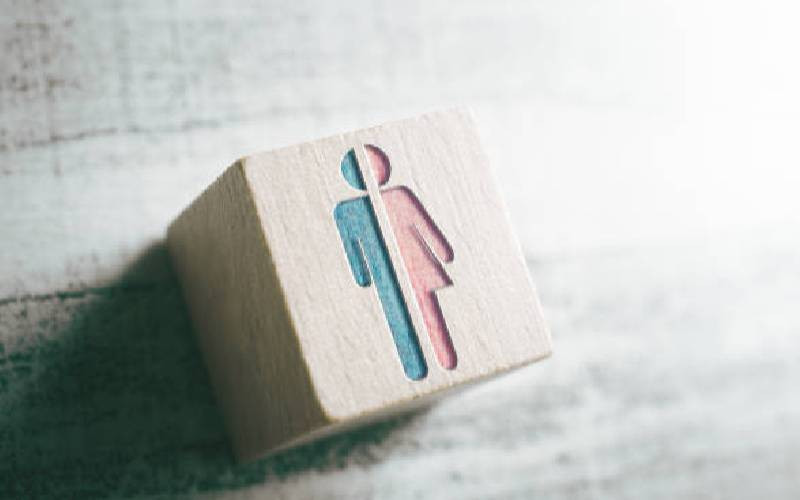
What should be done about the small proportion of babies born with genitals that are neither typically male nor typically female? Many of those affected believe parents and doctors are often too quick to schedule operations
S
mall Luk was initially “so happy” to be offered genital reconstruction surgery, aged eight. Doctors had told her she was a boy, but that she had an illness, which was why she couldn’t urinate standing up. “They told me this is a problem,” the 60-year-old from Hong Kong says. “And that in the future, you cannot marry, you cannot have a baby, so you need to have surgeries.”
Having been bullied at school for her ambiguous gender presentation, she found the idea that she could be “modified back to normal” a compelling one. But it wasn’t as simple as the doctors made out: Luk had an undeveloped uterus and vagina in her body as well as underdeveloped male genitals.
More than 20 operations later, after surgeons had failed to lengthen her urethra, Luk, by then 13, refused further treatment. During that period “I felt so sad and lonely” she says, and came close to killing herself on two occasions. Of the handful of children whose genitals were operated on at the same Hong Kong hospital in the 1970s , Luk was the only survivor. She found out later that “most of them had [died by] suicide”.