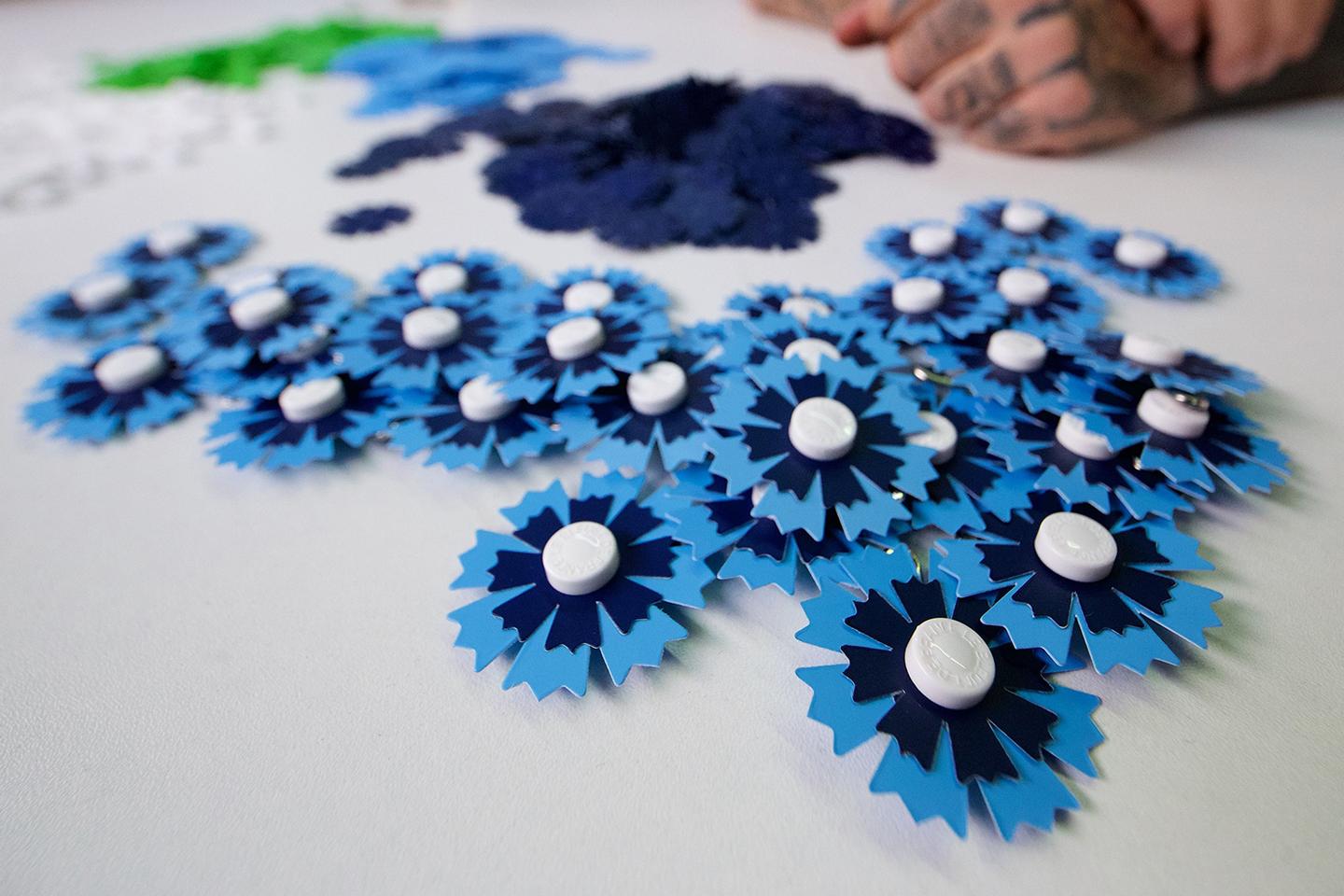
Cornflowers made in Calais, France. JOHAN BEN AZZOUZ /LA VOIX DU NORD /MAXPPP
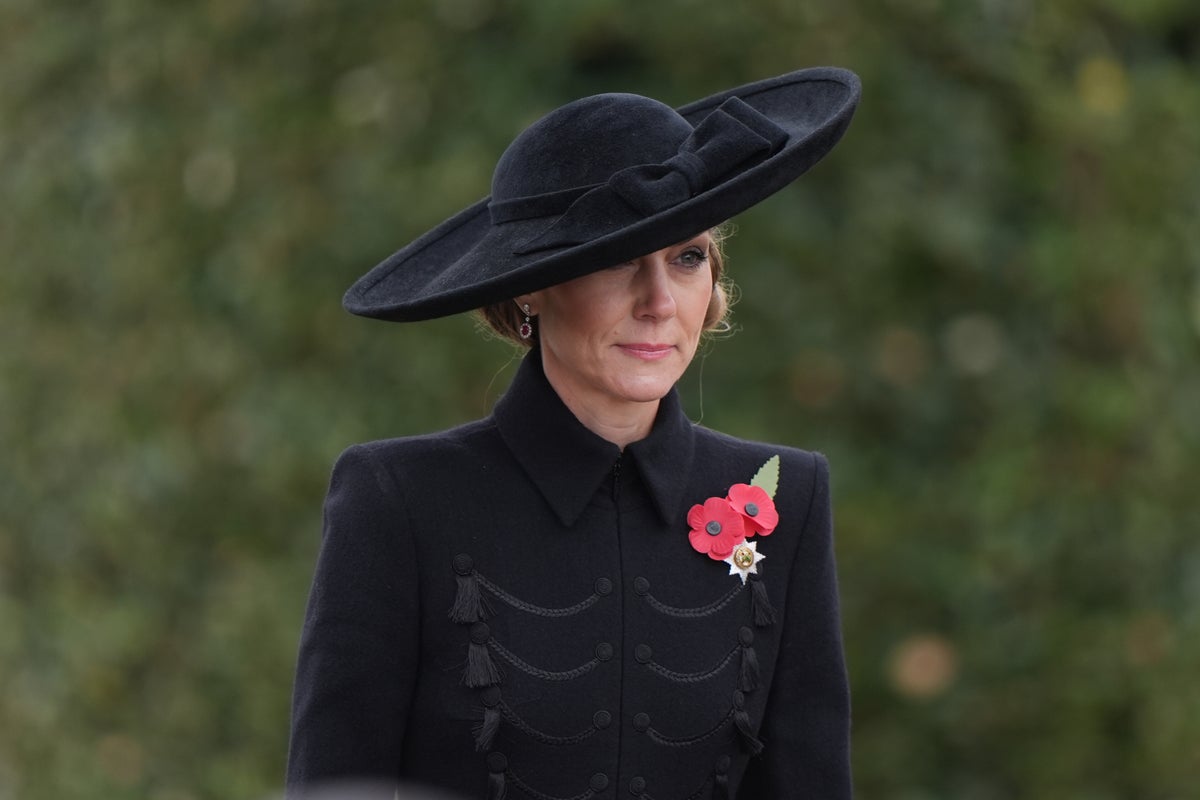
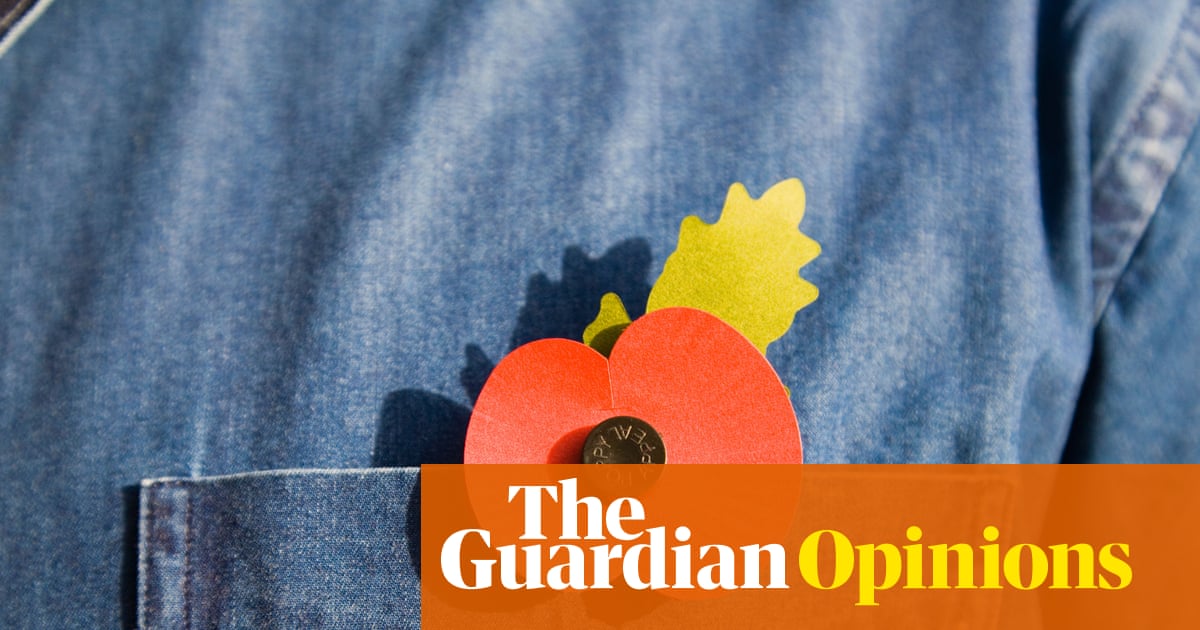
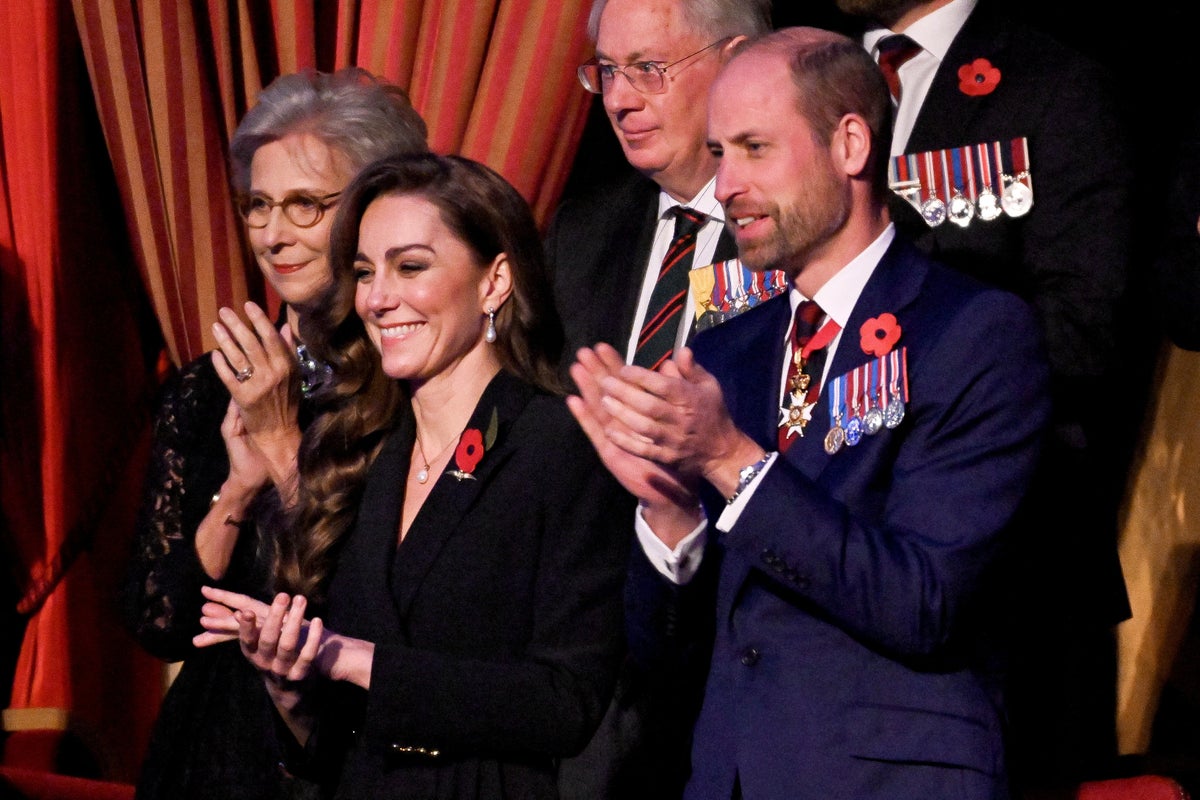
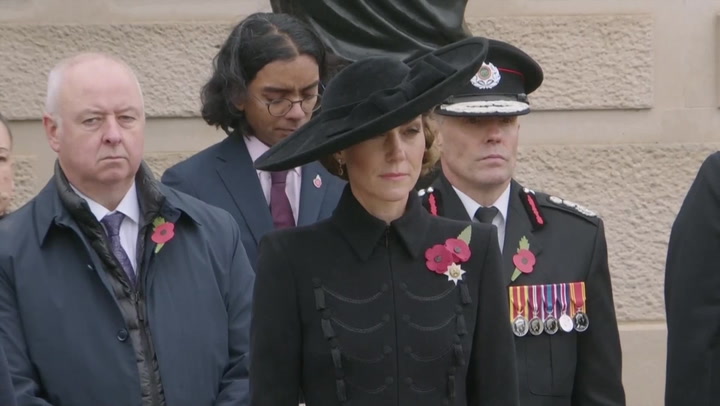
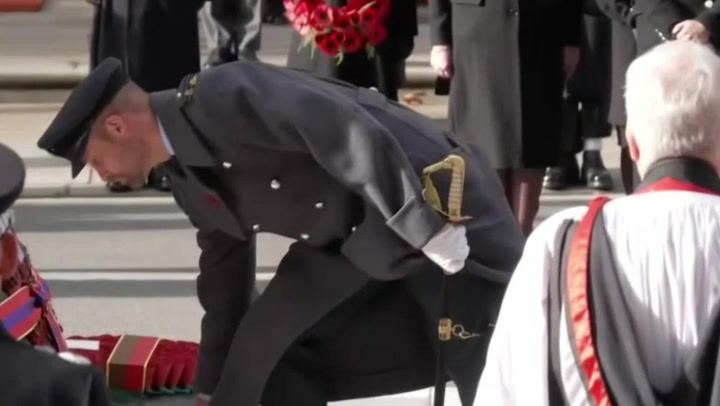
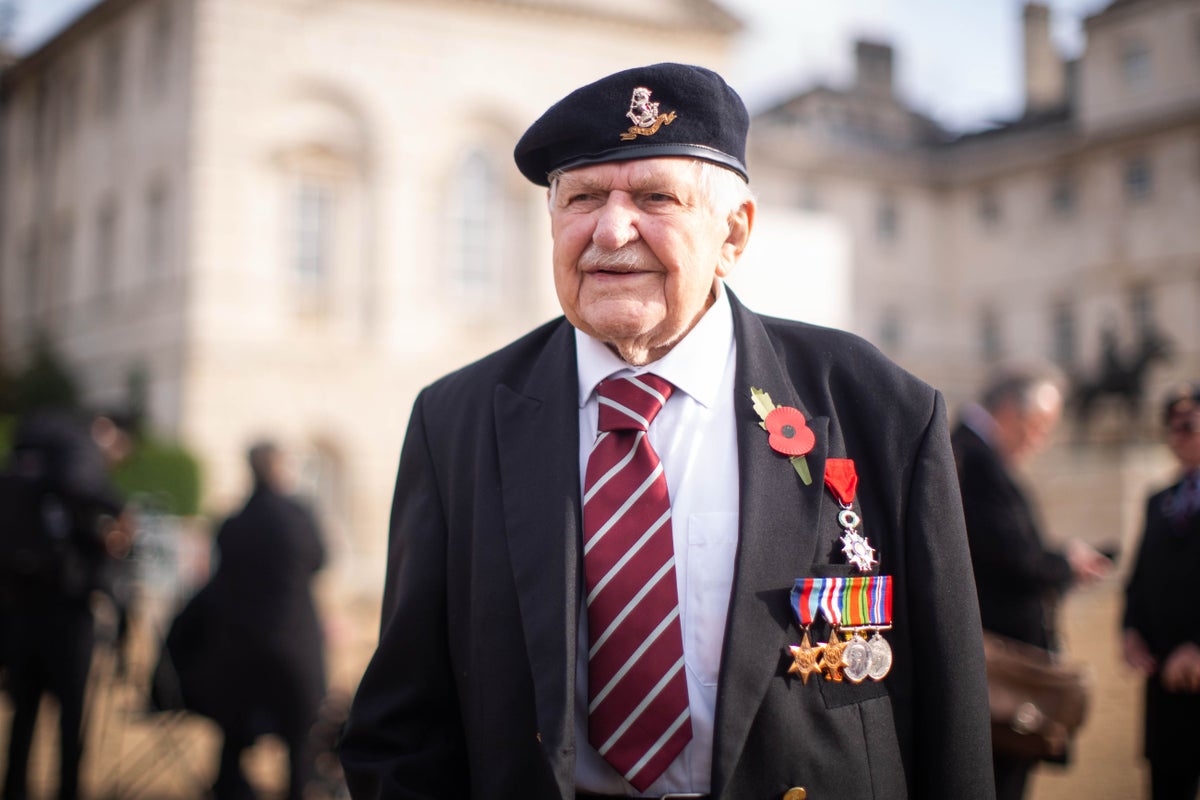
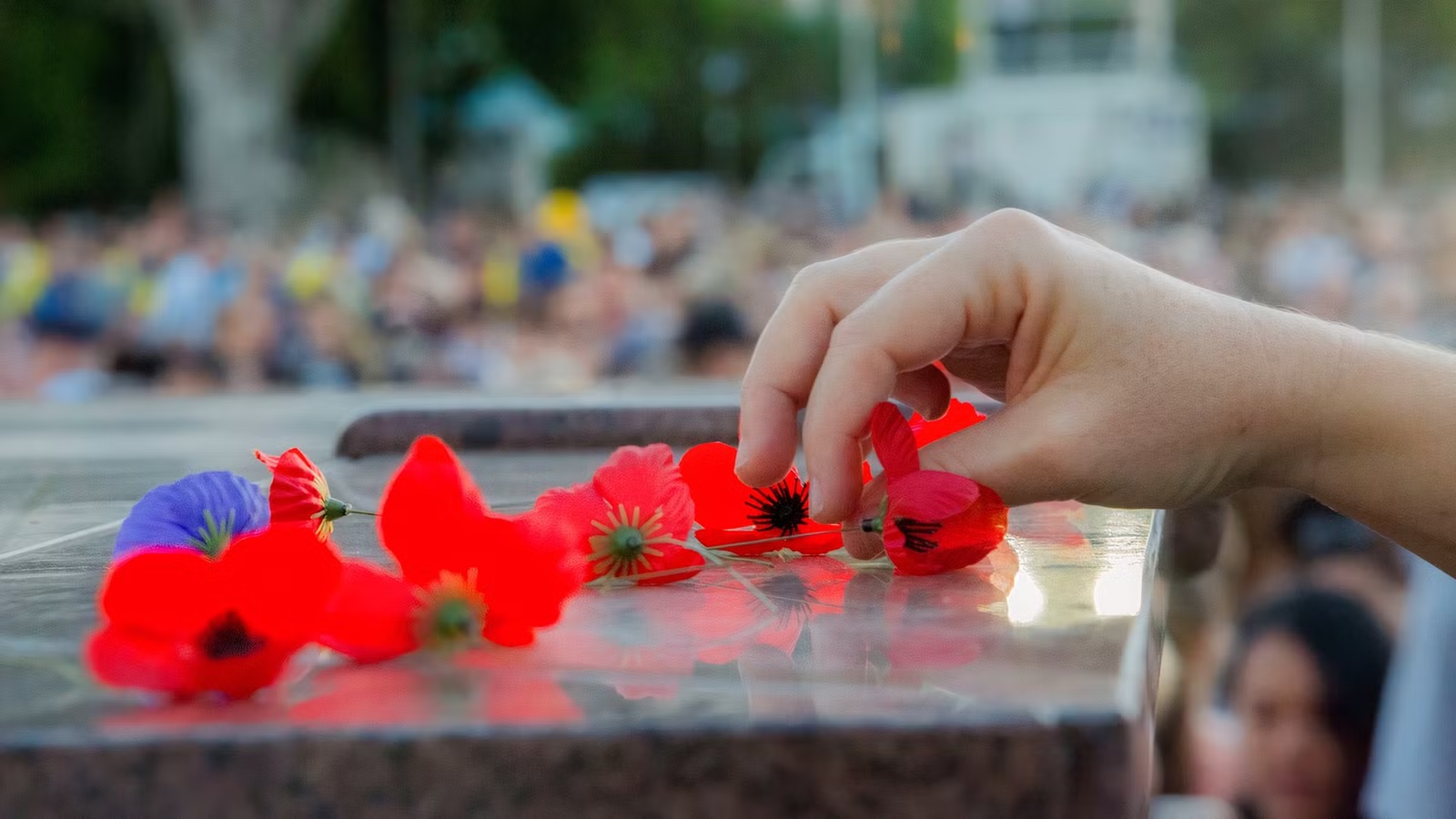
Poppy or cornflower? On each November 11, as on every Remembrance Day commemorating the end of World War I, people in the United Kingdom and across the Commonwealth wear a poppy in their lapel, while in France the cornflower is pinned to the jacket. Two flowers for two stories, more parallel than competing.
Both species, Papaver rhoeas and Cyanus segetum in their scientific names, carried the same significance for the soldiers of 1914-1918: Stronger than barbarity, they were the only flowers that stubbornly grew in the mud of the trenches, despite the trampling of men and the devastation of shells.
On December 8, 1915, a Canadian army doctor, John Alexander McCrae, published a poem in the British magazine Punch titled "In Flanders Fields." "In Flanders fields the poppies blow/Between the crosses, row on row/That mark our place." The final lines issue a call to the living: "If ye break faith with us who die/We shall not sleep, though poppies grow/In Flanders fields."
The poem had a tremendous impact. Moved by its words, an American woman, Moina Belle Michael, was the first to wear a poppy. But it was a Frenchwoman, Anna Guérin – about whom historian Claude Vigoureux wrote a biography, La Dame au coquelicot, le roman vrai d'Anna Guérin ("The Lady with the Poppy, the true story of Anna Guérin," untranslated) – who fought to spread the tradition.