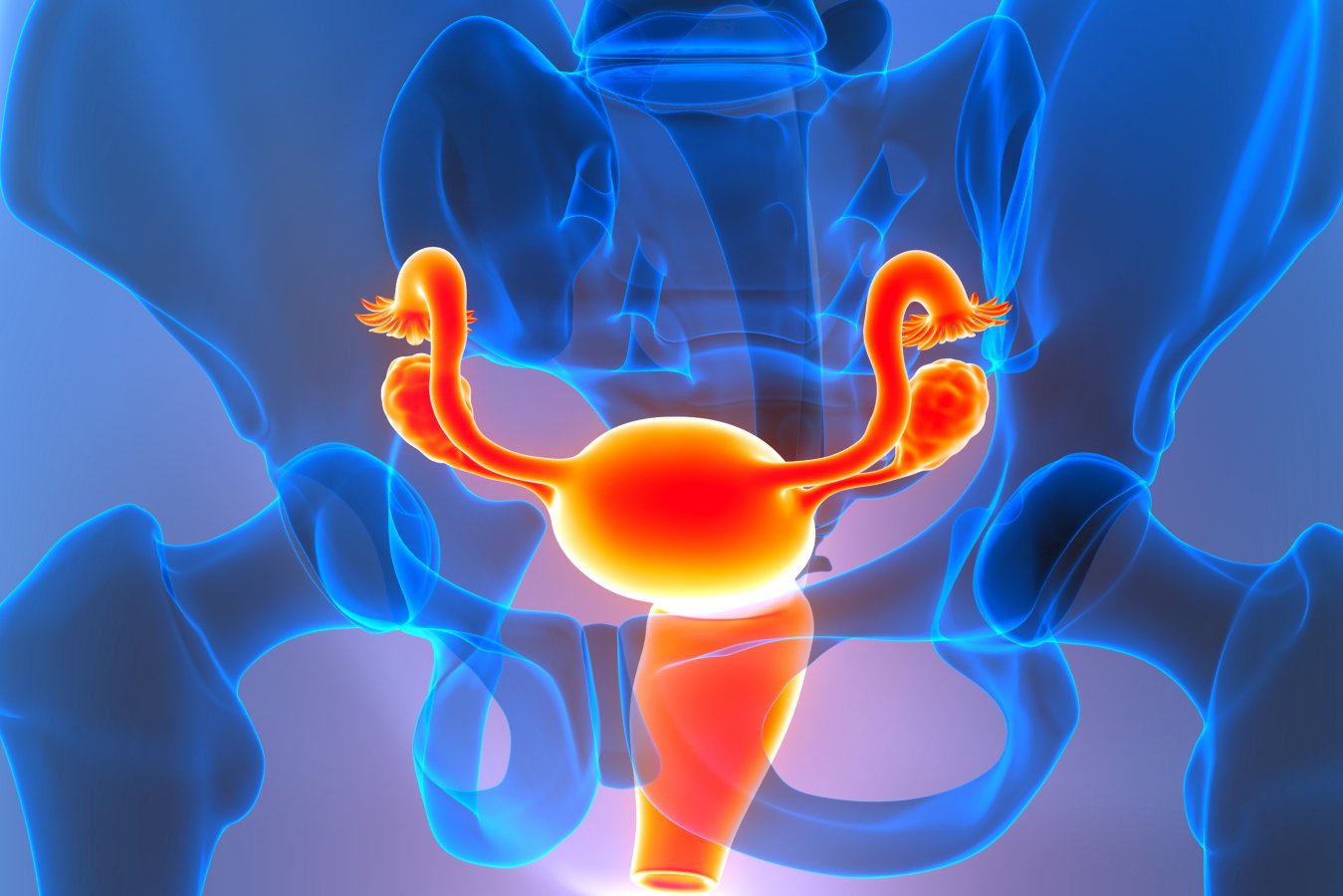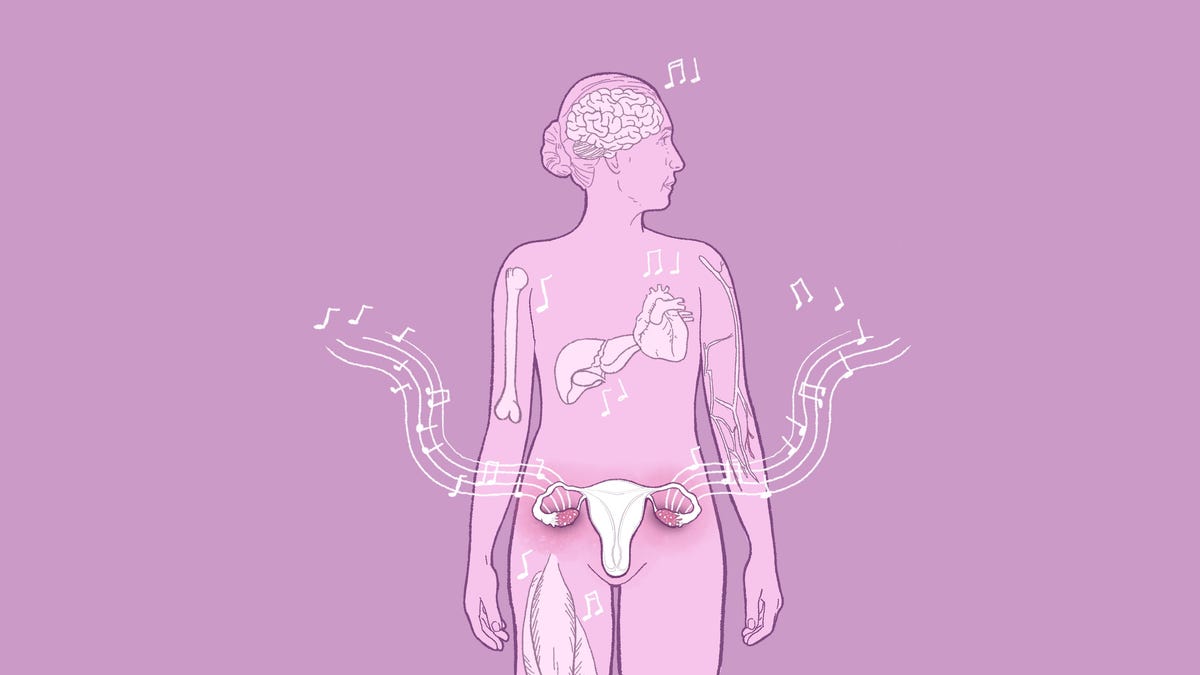
Though the ovary is often reduced to its role in reproduction, research shows it plays a surprisingly central role in a woman’s health throughout her body and lifetime. It is becoming more important as women live longer − it ages more than twice as fast as other organs, and its decline doesn’t just impact fertility. Ovarian aging has widespread effects on women’s health, increasing the risk of age-related diseases and other conditions.
Here's a closer look at why the ovary affects health, how you can stay healthier longer, and ways researchers are trying to better understand this often-overlooked but crucial organ.
Women live longer than men on average, but they end up spending more time living with diseases or disabilities. Research shows that health outcomes are closely tied with menopause and declining ovarian function. Before reaching menopause, women are less likely than men of the same age to develop cardiovascular disease, but once they reach 55, their risk becomes greater than men’s.
The risk of dying from a cardiovascular event is higher for women who experience menopause earlier in life, according to a study in the Journal of the American Heart Association. Another study found that experiencing menopause later in life made it more likely someone would live to 90 and that earlier menopause increased the risk of dying younger. And a paper published in the journal Brain Communications showed women with longer reproductive windows were better protected against progressive forms of multiple sclerosis.