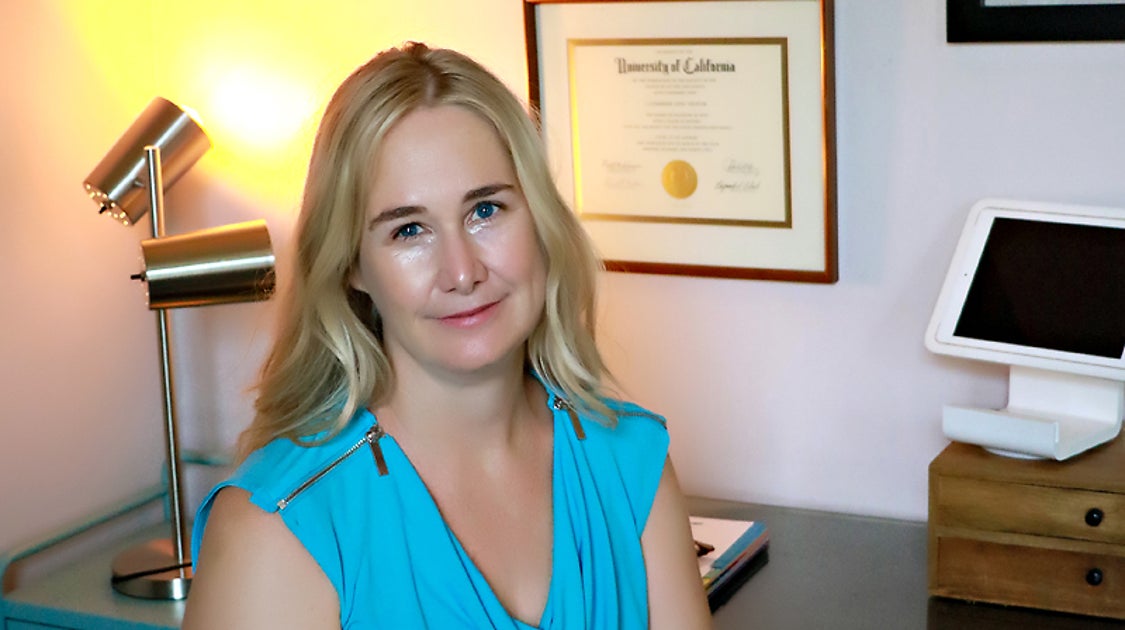
I’ve been practicing massage therapy for almost 30 years.
I’m aware, likely more than most, how important touch is.
Social affective touch: the kind massage therapists offer ― the kind we get from a friendly hug or a compassionate hand on our shoulder ― has been shown to reduce feelings of social isolation.
In our increasingly disconnected world, this kind of touch is becoming even more essential. I’ve witnessed the way a person’s painfully contracted body drops into a state of ease as I work, creating a pathway for their mind to find a state of peace and well-being. I watch the way breathing changes as the nervous system downshifts. The tissue of the body softens and subtly expands. The muscles in a face release tension and the furrow between a brow softens.
For me, massage therapy offers a way to not only soothe my clients, but to soothe myself. In my early 20s ― introverted, highly sensitive and flailing in a sea of grief due to the sudden and monumental loss of my mother ― I was desperate to find something that helped me deal. Massage sessions provided a refuge.