I knew he was running away from something. It wasn’t until many years later that I discovered the truth
C
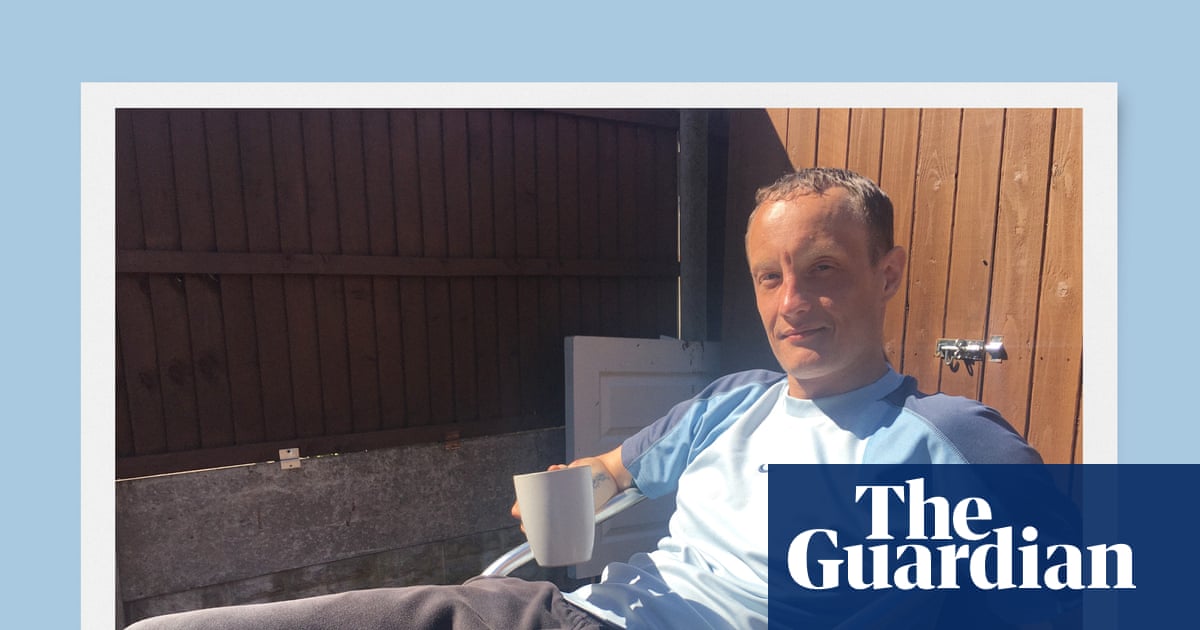
raig was a runaway when I first met him. Missing from a local children’s home, he spent his days hanging out in Nottingham city centre. He had just turned 13 and he was tall for his age, easily recognisable with his blond hair, but he seemed invisible to the authorities.
No one was looking for him or the other dozen children who congregated on the market square. Most of them had absconded from care, some were dodging school. A few, like Craig’s mate Mikey, just didn’t bother going home. The youngest runaway, Mark, claimed he’d been missing from foster care for months and had spent his 12th birthday on the run. They were glad to have found each other and for a week or so they slept together in an alleyway. Craig organised bedding. He had picked up some tips from the experienced rough sleepers, he told me, as he collected cardboard he’d stored behind a bin. “Keeps the cold off your bones,” he said, without confidence. That was his first taste of being homeless.
It was 1998 and I was in Nottingham filming Staying Lost, a documentary series for Channel 4. The number of runaways in the UK was at crisis point. A Children’s Society report estimated that 100,000 children ran away every year. Our series set out to follow some, like Craig, who survived on the streets, existing outside the system. We documented his life as he stumbled from one precarious situation to the next. On the face of it, he seemed unfazed by the chaos around him. He was often quiet, watching as street dramas played out in front of him. It was difficult to read what he was thinking and just how lost he felt.