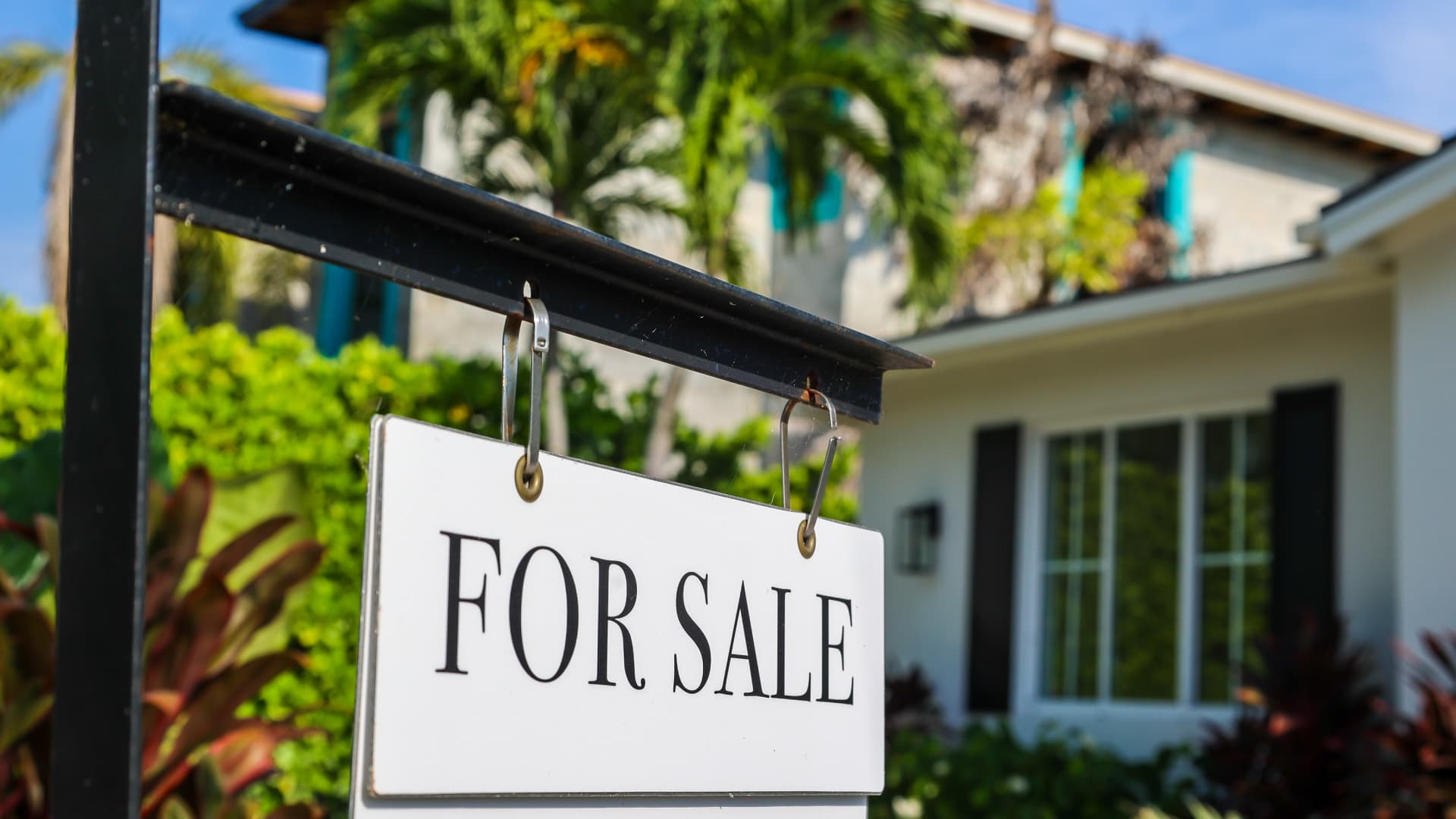
ToplineThe Trump administration is floating the idea of introducing 50-year mortgages as a way to address the ongoing affordable housing crisis and drive up first-time home buying—but it’s unclear if such a mortgage would actually save home buyers much money in the long run.The proposal for longer-term mortgages was met with a mixed reception from critics.Getty ImagesKey FactsIn a post on Truth Social on Saturday, Trump shared an image comparing himself to former President Franklin D. Roosevelt, who introduced the 30-year mortgage.Bill Pulte, the director of the Federal Housing Finance Agency and chair of both Fannie Mae and Freddie Mac, then confirmed the agency was “working” on offering 50-year mortgages.Pulte’s comments were met with mixed reception from critics, including many conservatives, and the FHFA director quickly said the plan was “simply a potential weapon in a WIDE arsenal of solutions that we are developing right now.”How Expensive Are Houses In 2025?The median home sale price was $410,800, according to data from the St. Louis Fed most recently updated in July for the second quarter of 2025. The average down payment on a home in 2025 was 19%, according to a report released by the National Association of Realtors in November, although this average was considerably lower at 10% for first-time home buyers. The median age of first-time home buyers also rose to 40 years old, according to the group.How Much Would Home Buyers Save Each Month With A 50-Year Mortgage?According to data from Freddie Mac, the average interest rate for a 30-year mortgage for the last week, ending on Nov. 6, was 6.22%, compared to an average rate of 5.5% for a 15-year mortgage. It’s unclear how high an interest rate for a 50-year loan would be set, but even if rates were kept the same as those of a 30-year mortgage, buyers would only be paying slightly less each month. Using the median home price, the 6.22% mortgage rate, and a 10% down payment, the monthly payment for a 50-year mortgage at the same rate would be $2,006.60. The buyer would make 600 monthly payments for a total of over $1.2 million, including more than $834,000 in interest. A 30-year mortgage with those same terms would have a slightly higher monthly payment—$2,269.22, or a difference of $262.62. However, the buyer would only pay $447,199.47 in interest over the course of the 30-year loan, for a total of $816,919.47. Forbes calculated these totals using online tools provided by Fannie Mae, and they do not include other payments like taxes and insurance.Chief CriticsRep. Marjorie Taylor Greene, R-Ga., was one of the loudest critics, coming out against the proposal in a lengthy X post on Sunday. Greene said the plan for lengthier mortgage terms “ultimately reward the banks, mortgage lenders and home builders while people pay far more in interest over time and die before they ever pay off their home.” Rep. Thomas Massie, R-Ky., also criticized the proposal, noting it “seems like a recipe for default & no ability to move for better jobs or school.” Real estate was more mixed on the prospect, with some realtors and mortgage experts praising the idea. Kaz Nejatian, the CEO of real estate firm Opendoor, called the idea “probably the most pro-homeowner government policy of the last two decades.” Industry experts who spoke to Politico also cautioned against the policy. The National Association of Realtors’ chief economist Lawrence Yun warned that the policy would “not address the true cause of today’s affordability challenges,” while others noted that retirees with 50-year mortgages could be paying off their homes well into their retirements.Key BackgroundAs one alternative, Greene pressed for federal regulators to prevent asset managers from purchasing single-family homes. This is an idea also embraced by some progressives, including New York Gov. Kathy Hochul, who proposed restrictions on hedge funds and private equity firms seeking to buy real estate in the Empire State. Multiple Democrats in Congress reintroduced Democratic California Rep. Ro Khanna’s “Stop Wall Street Landlords Act” last year, which targets corporate homebuying in part by regulating corporations’ ability to secure mortgages from Fannie Mae and Freddie Mac. Opposing the expansion of hedge funds investing in residential real estate is an issue that has transcended bipartisan lines recently, as then-Democratic presidential nominee Kamala Harris promised to fight “corporate landlords” during the 2024 presidential campaign, while now-Vice President JD Vance previously advocated for restricting institutional investors from purchasing single family homes, Politico reported. Institutional investors own about 3% of single family homes in the U.S., according to a 2024 report from the Government Accountability Office.
Here’s How Much A 50-Year Mortgage Could Cost—As White House Floats Plan
The proposal was met with a mixed reception from critics.
759 words~3 min read