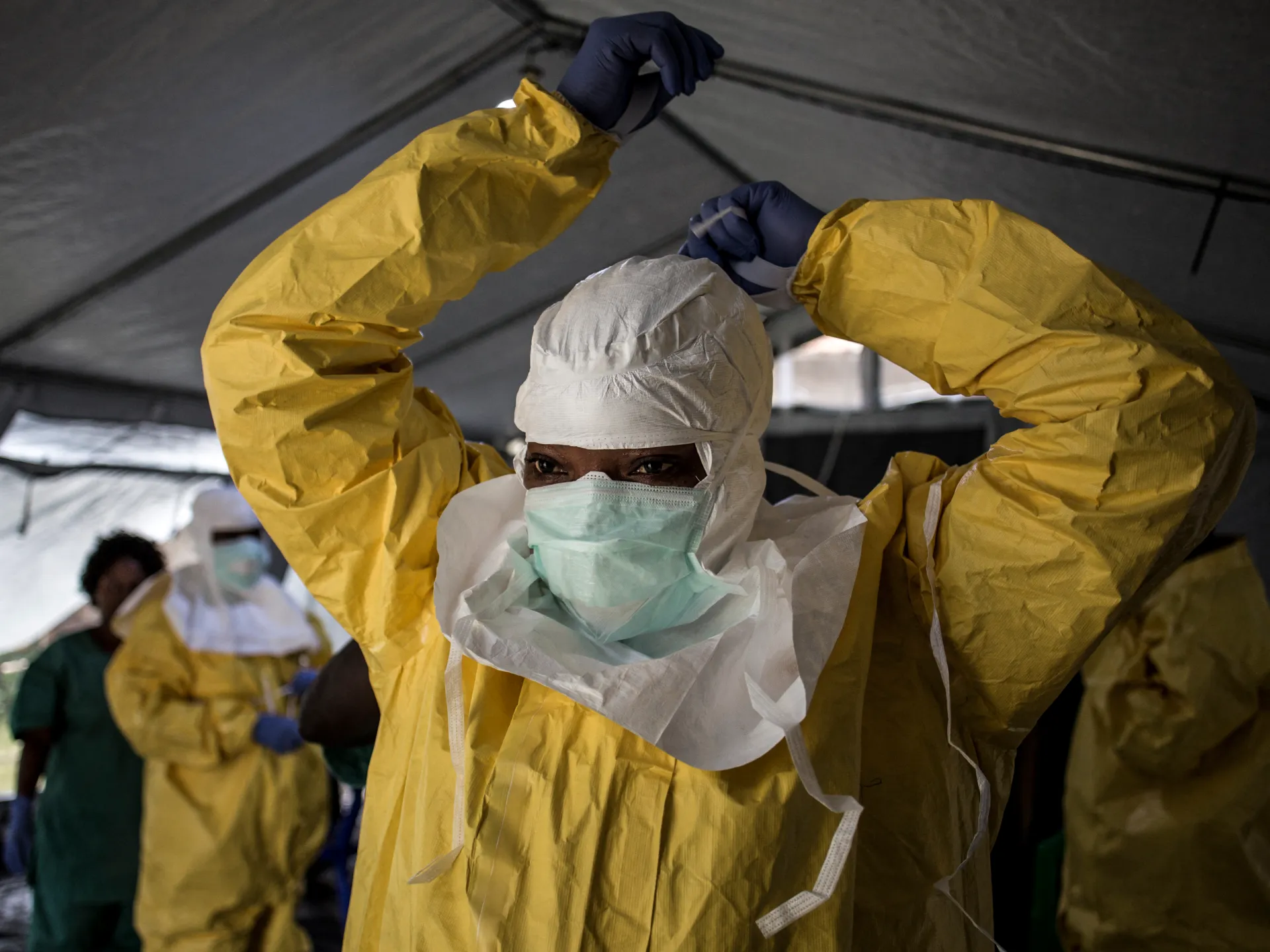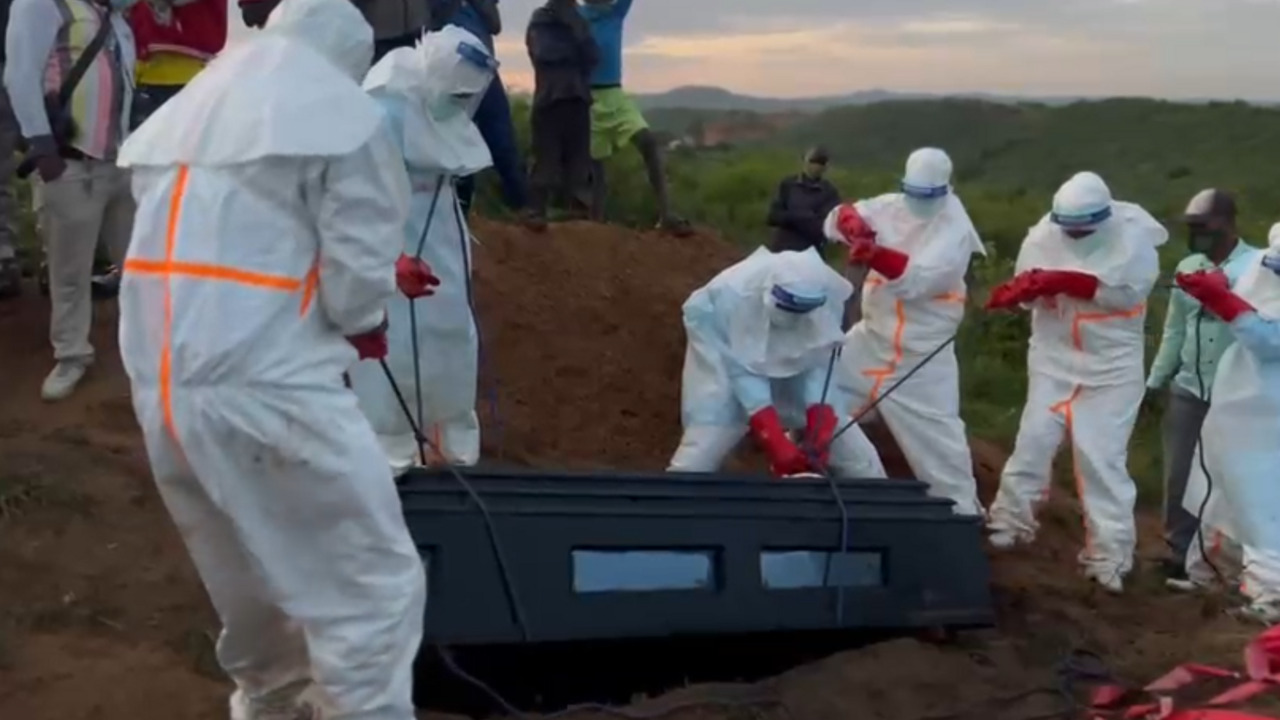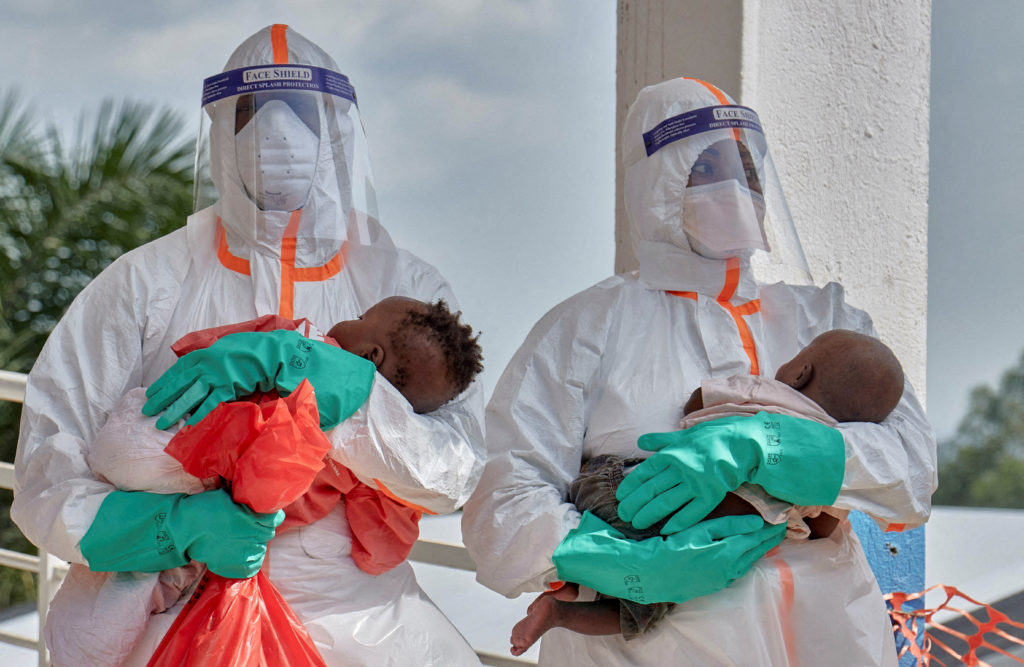
If no new cases are reported in Bulape by early December, the country will have vanquished its 16th outbreak of the deadly virus since it was discovered there in 1976
H
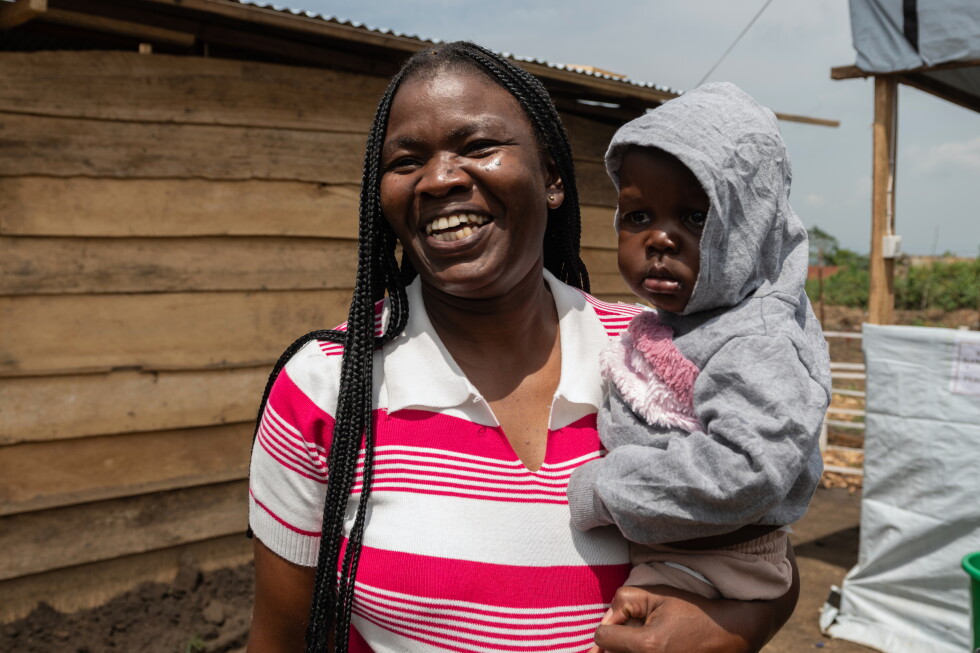
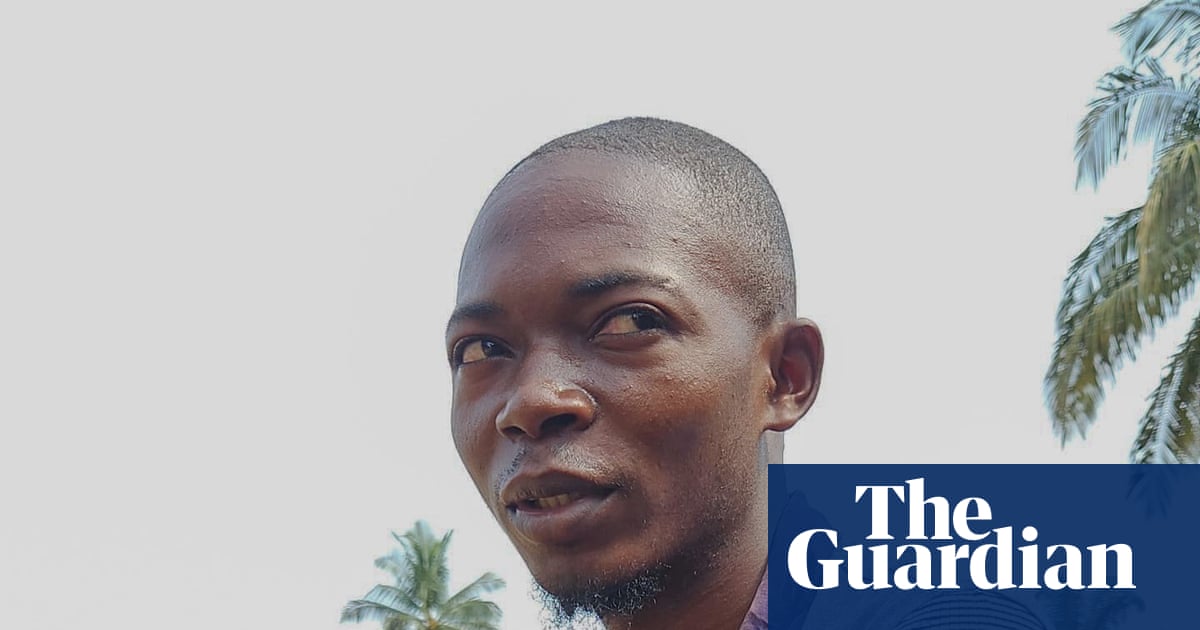
is two-year-old daughter died first, then his mother, then his wife. But Bope Mpona Héritier still had no idea what illness had taken their lives. Then the 25-year-old also began to develop symptoms. When his blood was tested and sent to the Democratic Republic of the Congo’s capital, Kinshasa, the results confirmed he had the Ebola virus.
“I felt pain everywhere,” he says. “I had a migraine, a sharp pain in my eyes and throat, and I was vomiting. I couldn’t eat anything because I had no appetite, so I lost a lot of weight.”
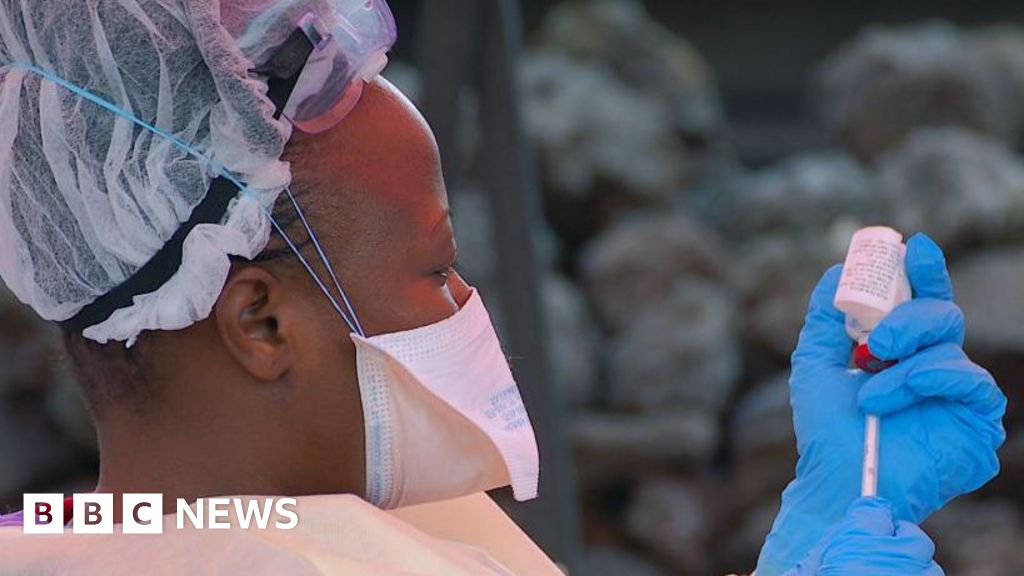
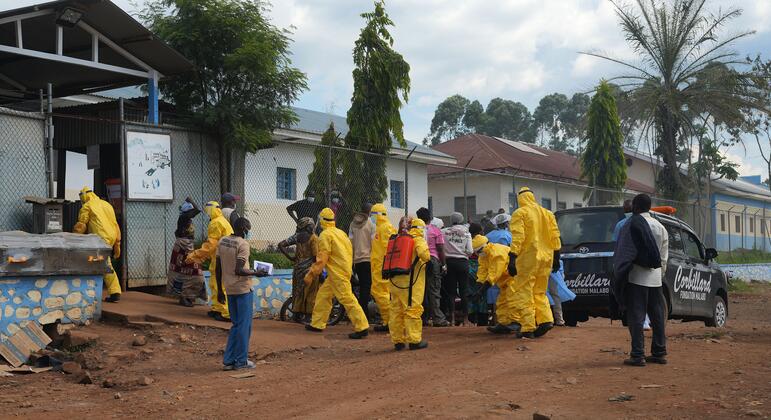
No one in Bulape could have imagined that a deadly virus such as Ebola would reach their remote area in Kasai province. But on 4 September this year, the health ministry declared an outbreak there, the country’s 16th. Ten days later, 35 confirmed cases were reported, including 16 deaths – some among health workers. A coordinated effort involving multiple agencies worked around the clock to contain it.