O
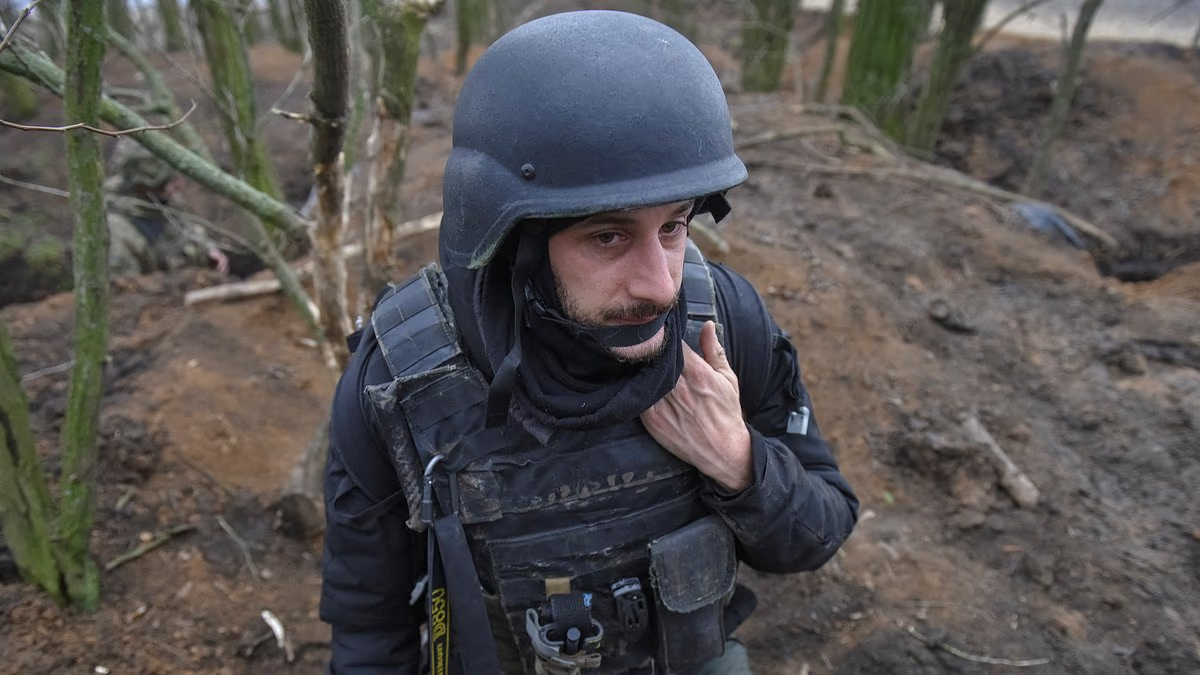
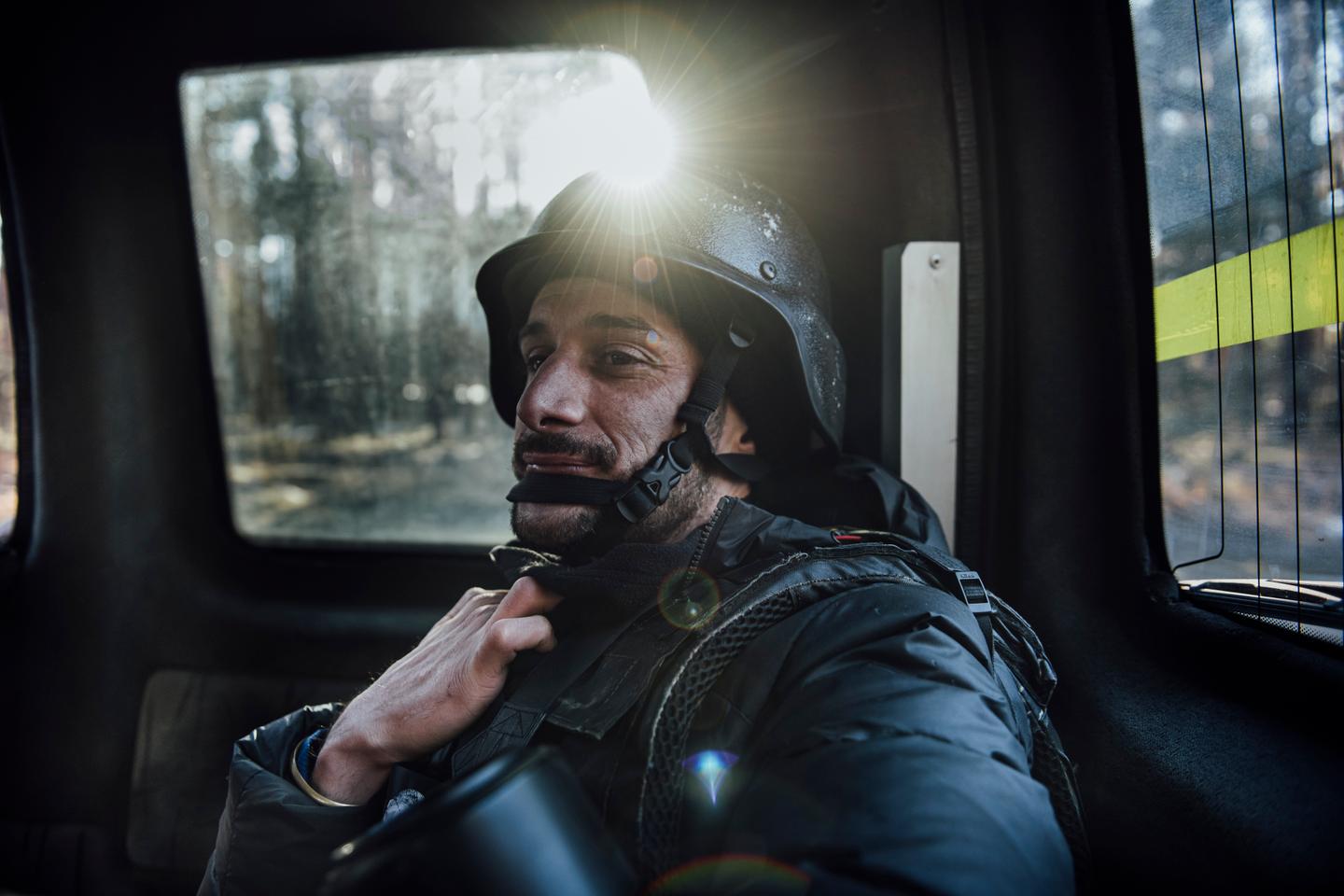
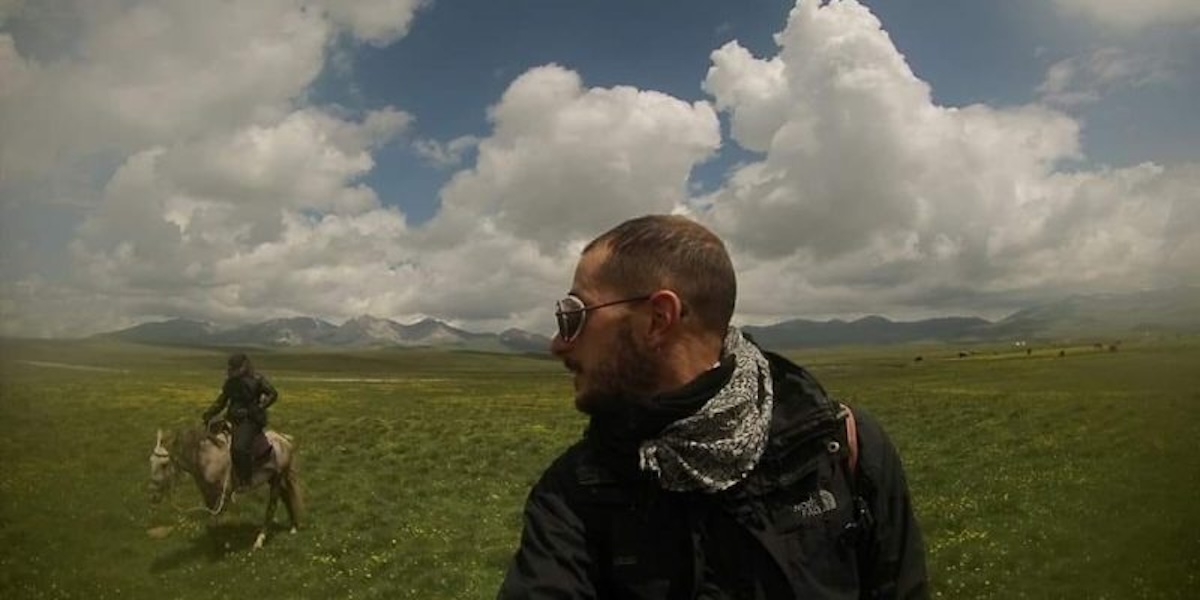
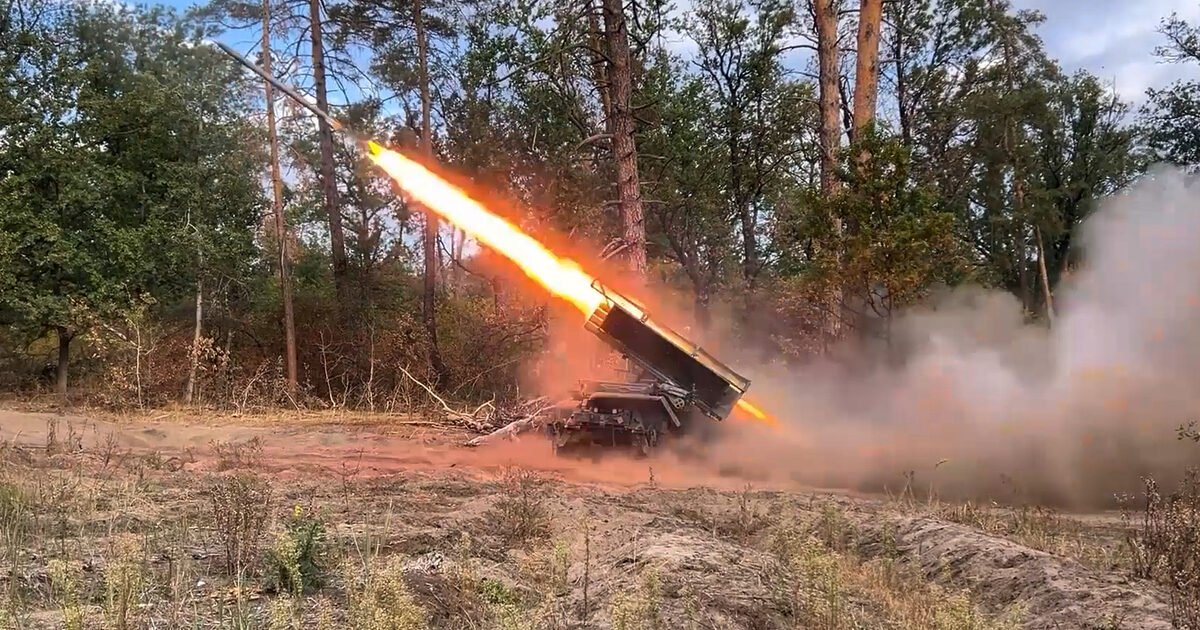
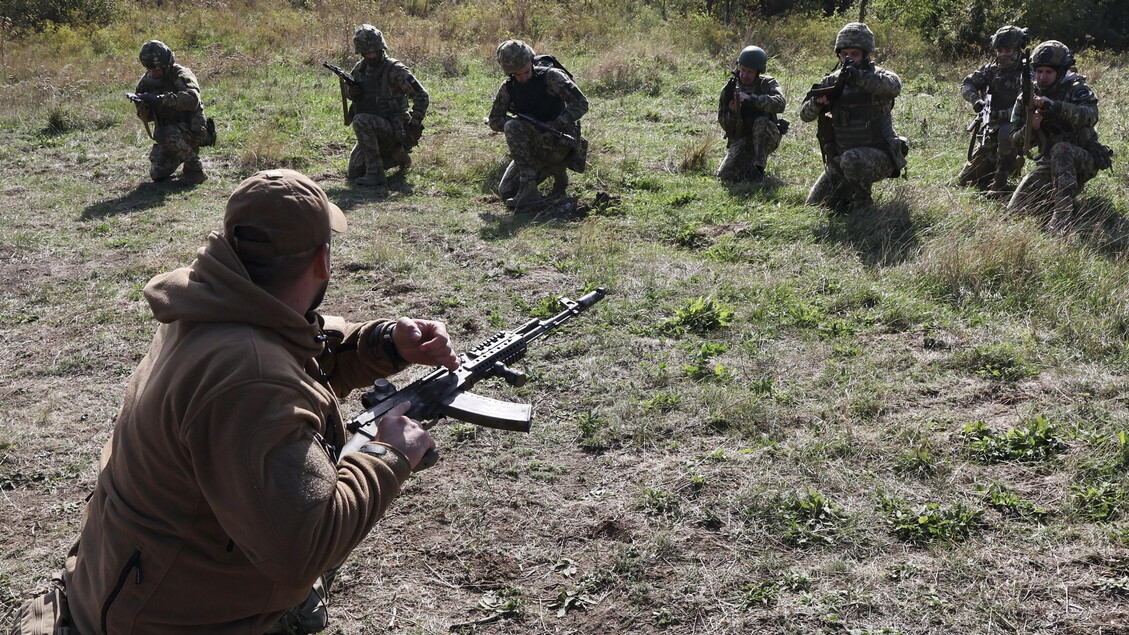
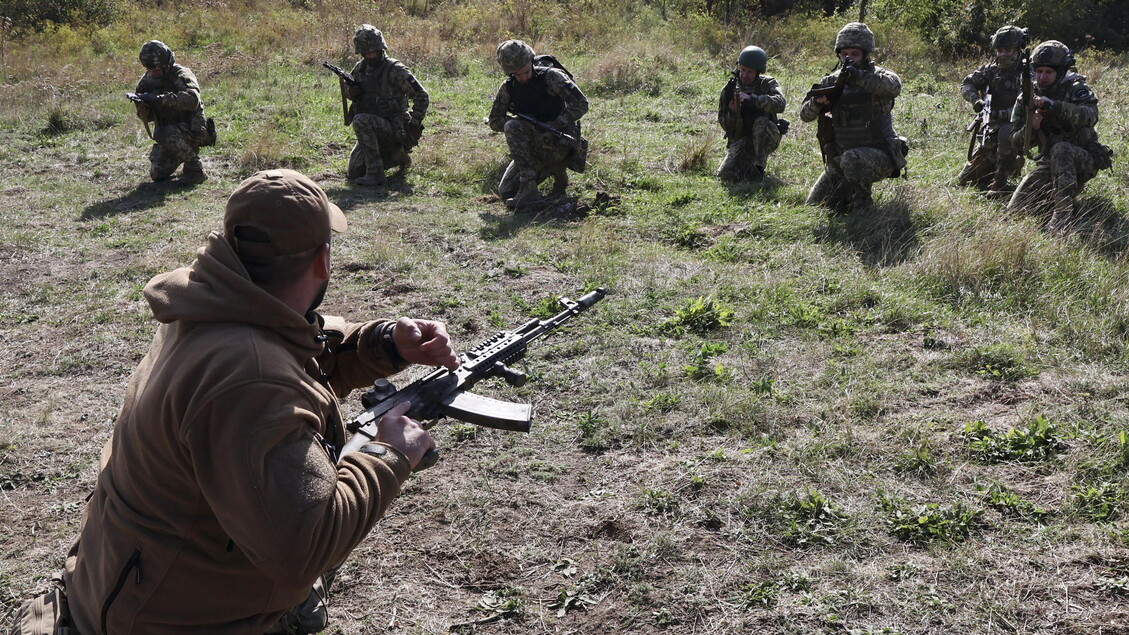
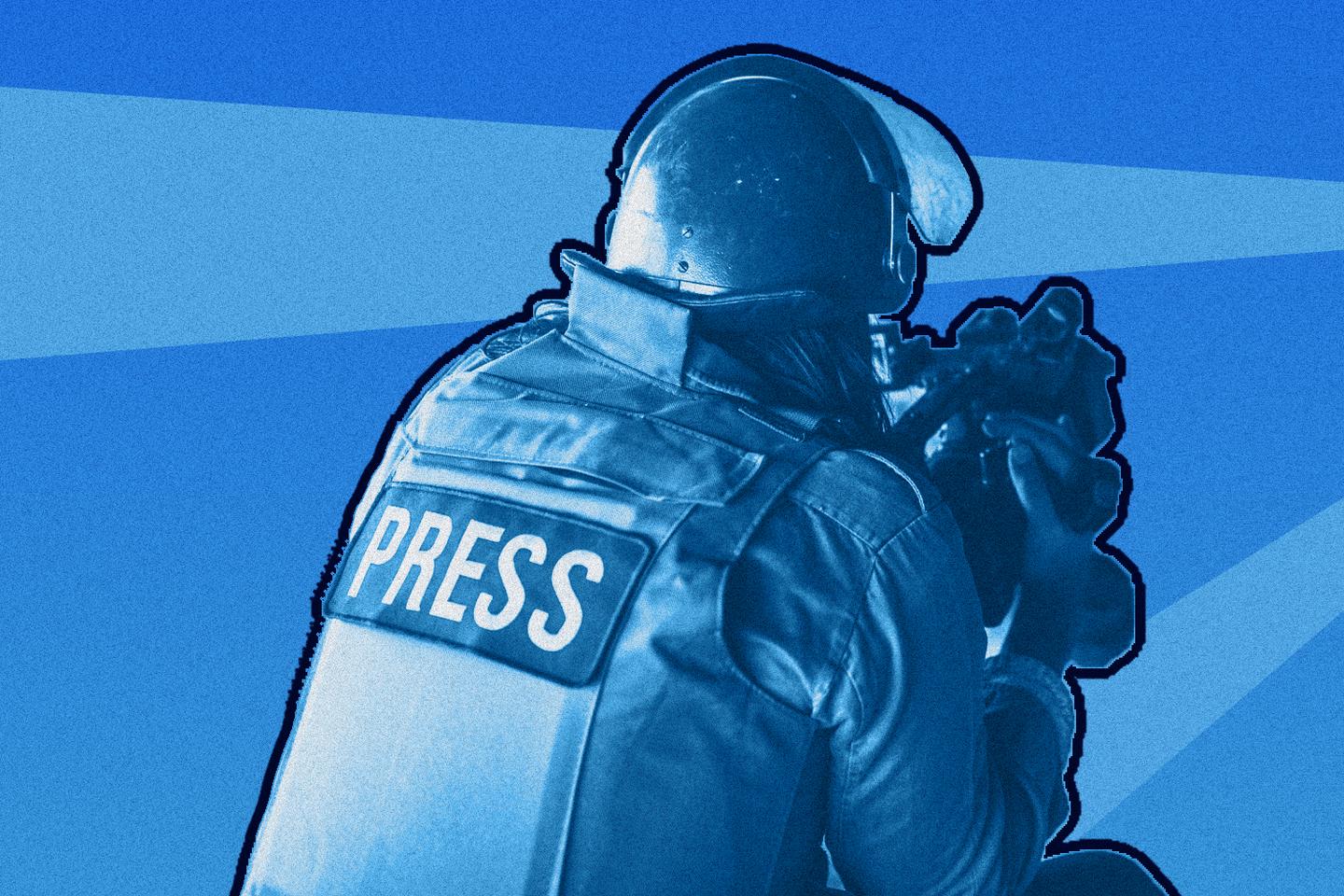
ne month ago, on October 3, Antoni Lallican, a French photojournalist [who contributed to Le Monde], was killed by a deliberate strike from a Russian FPV [first-person view] drone, near the Ukrainian city of Kramatorsk, in the Donetsk oblast. Ukrainian photojournalist George Ivanchenko, standing beside him, was also seriously injured. Both were targeted while exercising their profession, as they had been covering the construction of fortifications in an area located about 20 kilometers from the front line.
On October 5, France's National Anti-Terrorist Prosecutor's Office opened a "war crimes" investigation into the killing and referred the case to the Central Office for the Fight against Crimes against Humanity and Hate Crimes. In a post on social media platforms in the hours following the attack, President Emmanuel Macron confirmed it was a Russian strike.
It was only a month later, and after several requests, that the European and Foreign Affairs Ministry issued a cautious condemnation, in a general statement published on the International Day to End Impunity for Crimes Against Journalists.
Subscribers only