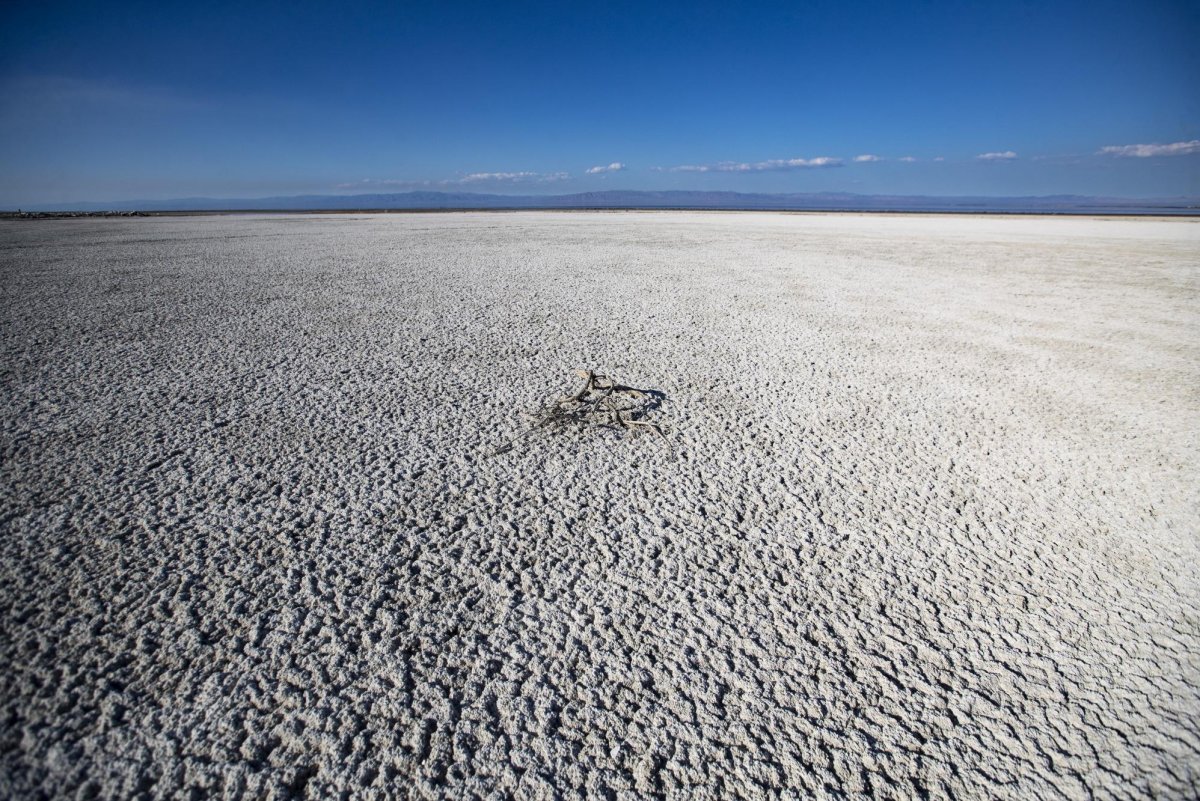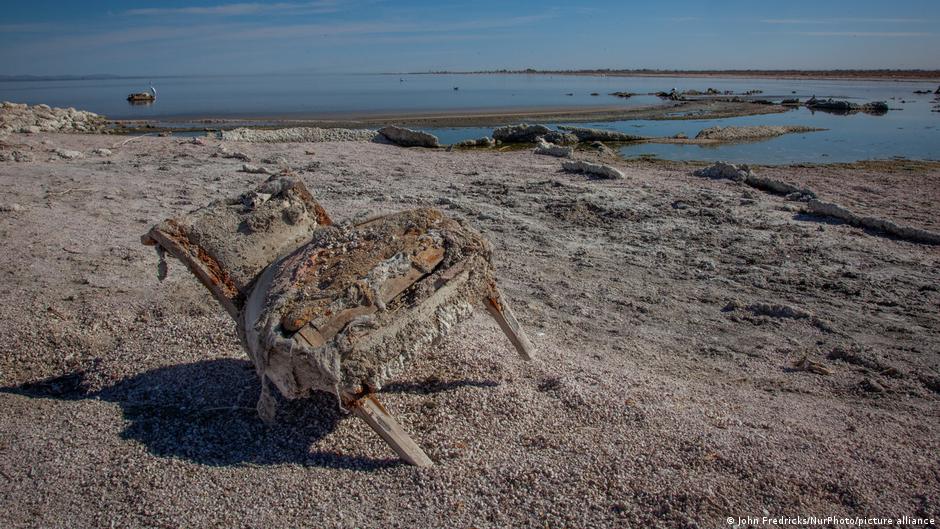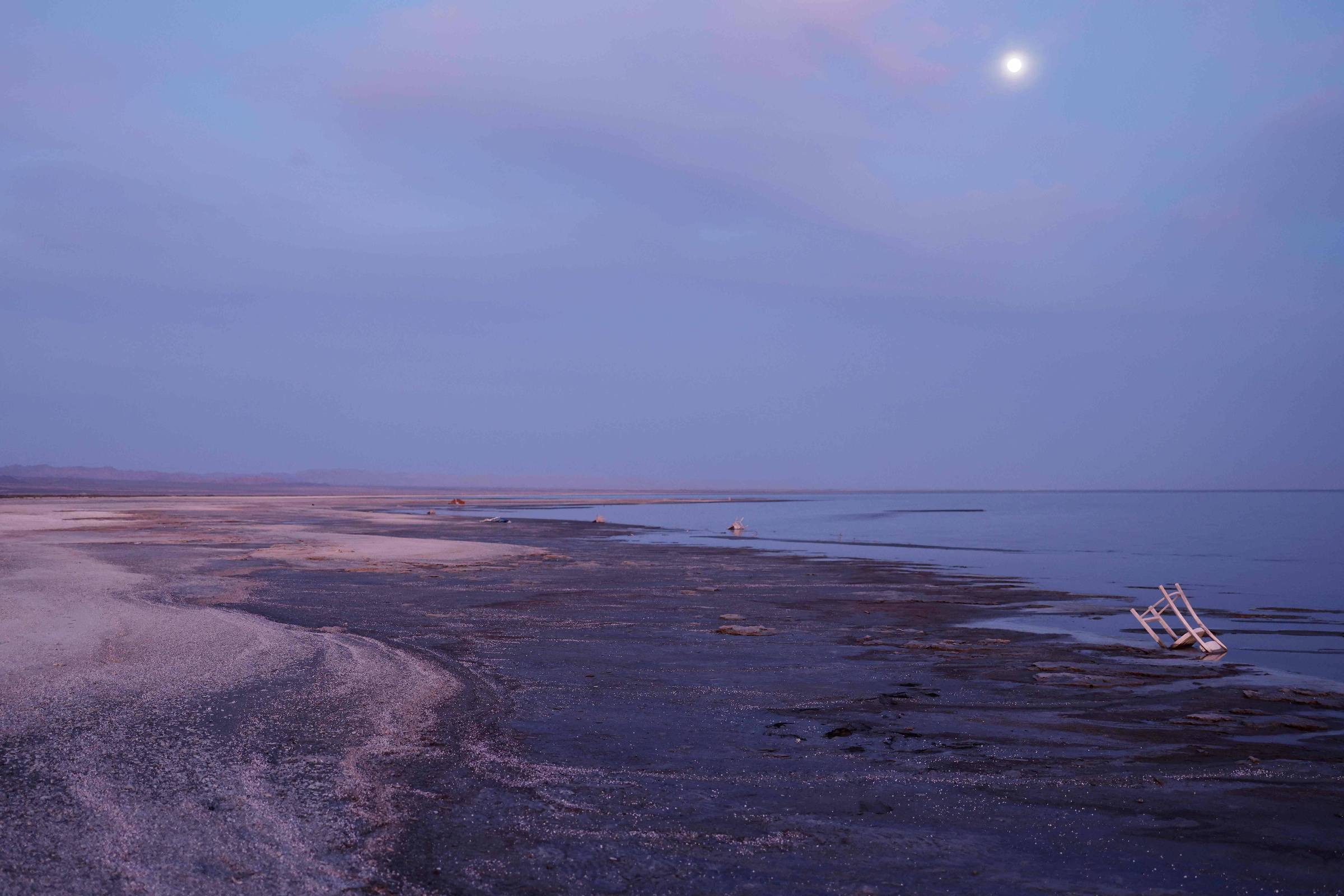
Experts suspect that dust from the sea contains endotoxic bacteria membranes caused by fertilizer runoff
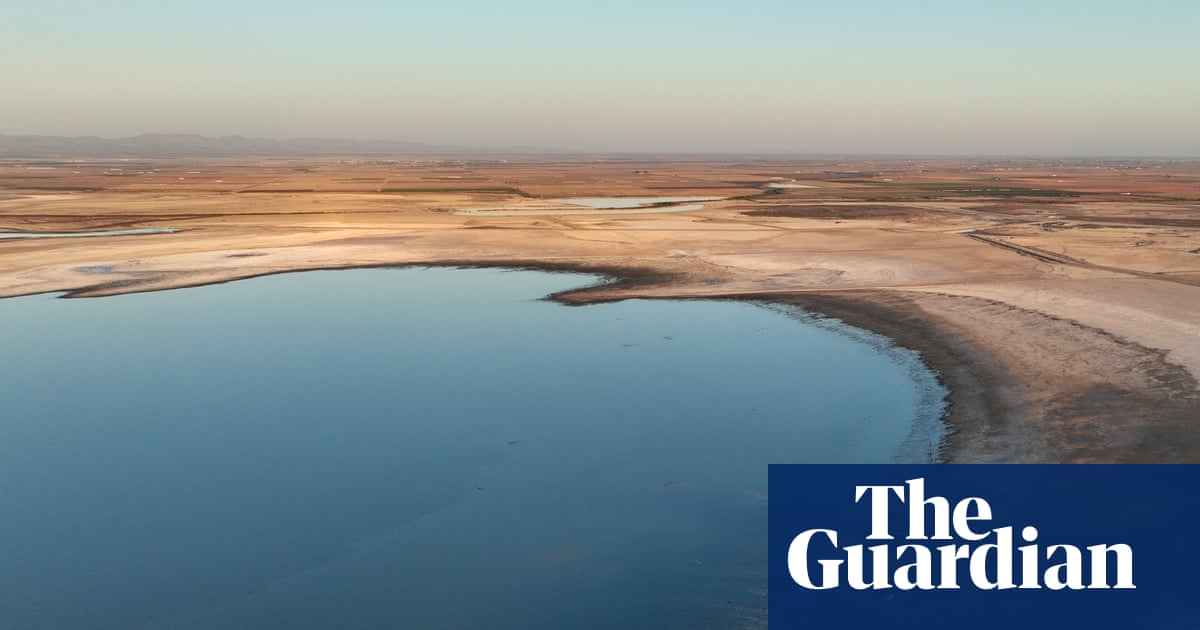
Chemical-laden dust from southern California’s drying Salton Sea is likely harming the lungs of people around the shrinking body of water, and the effects are especially pronounced in children, new peer-reviewed research from the University of California, Irvine, shows.
A separate peer-reviewed study from the University of California, Riverside, also found the Salton Sea’s contaminated dust seemed to alter lung microbiome, which could trigger pulmonary issues that have been reported around the lake.
The two new papers are part of a series of studies that are revealing the environmental and public health risks of dust from the drying Salton Sea, which sits about 60 miles (95km) south-east of metropolitan Los Angeles. The dust has been found to travel more than 100 miles (160km), though the prevailing winds blow to the south-east.
“The drying of the Salton Sea is not only an environmental crisis but also a public health crisis,” UC Irvine study co-author Jill Johnston said in a statement. “Our study provides concrete evidence that children in surrounding communities are facing measurable harm to their lungs as a result of increased dust exposure.”