G
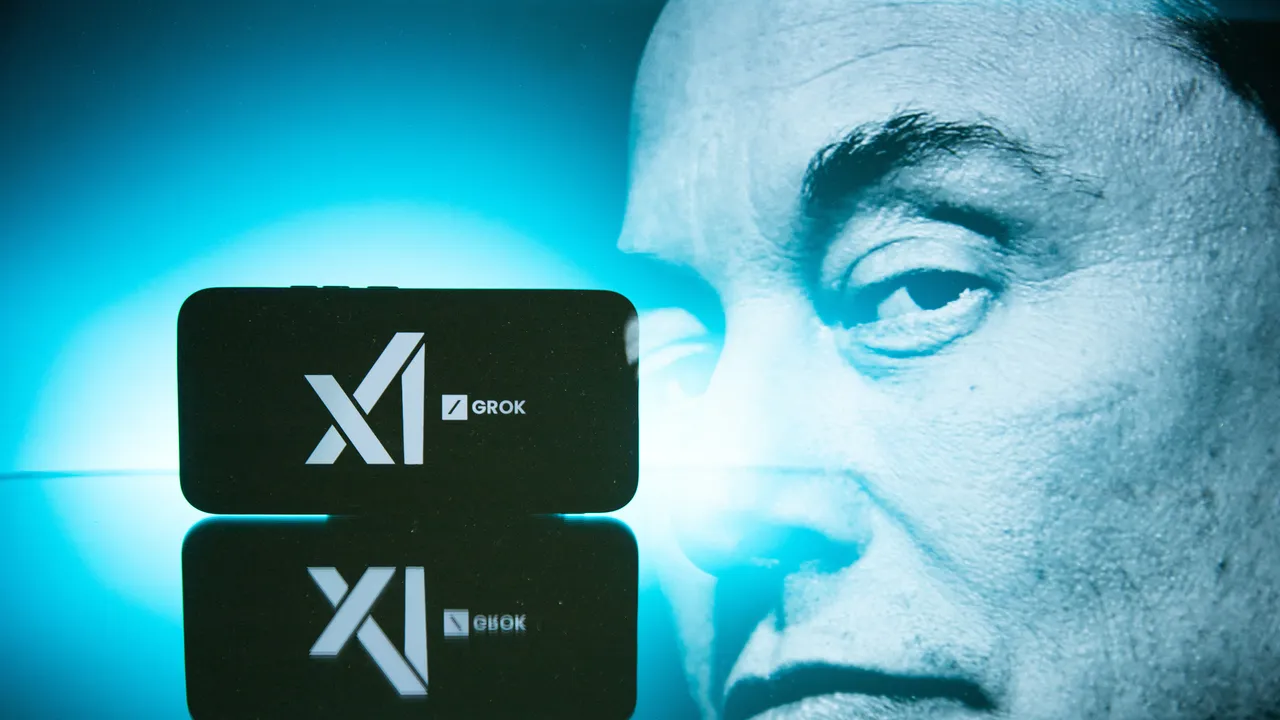
rokipedia, the "free" encyclopedia created and verified by artificial intelligence under Elon Musk's direction, went online on October 27. While many saw it as just another gadget in the xAI empire – Musk's artificial intelligence company that competes with OpenAI and specializes in generative AI tools – this apparent eccentricity in fact masks a highly strategic move: seizing control over the raw material of artificial intelligence, namely the knowledge bases that feed generative AI models.
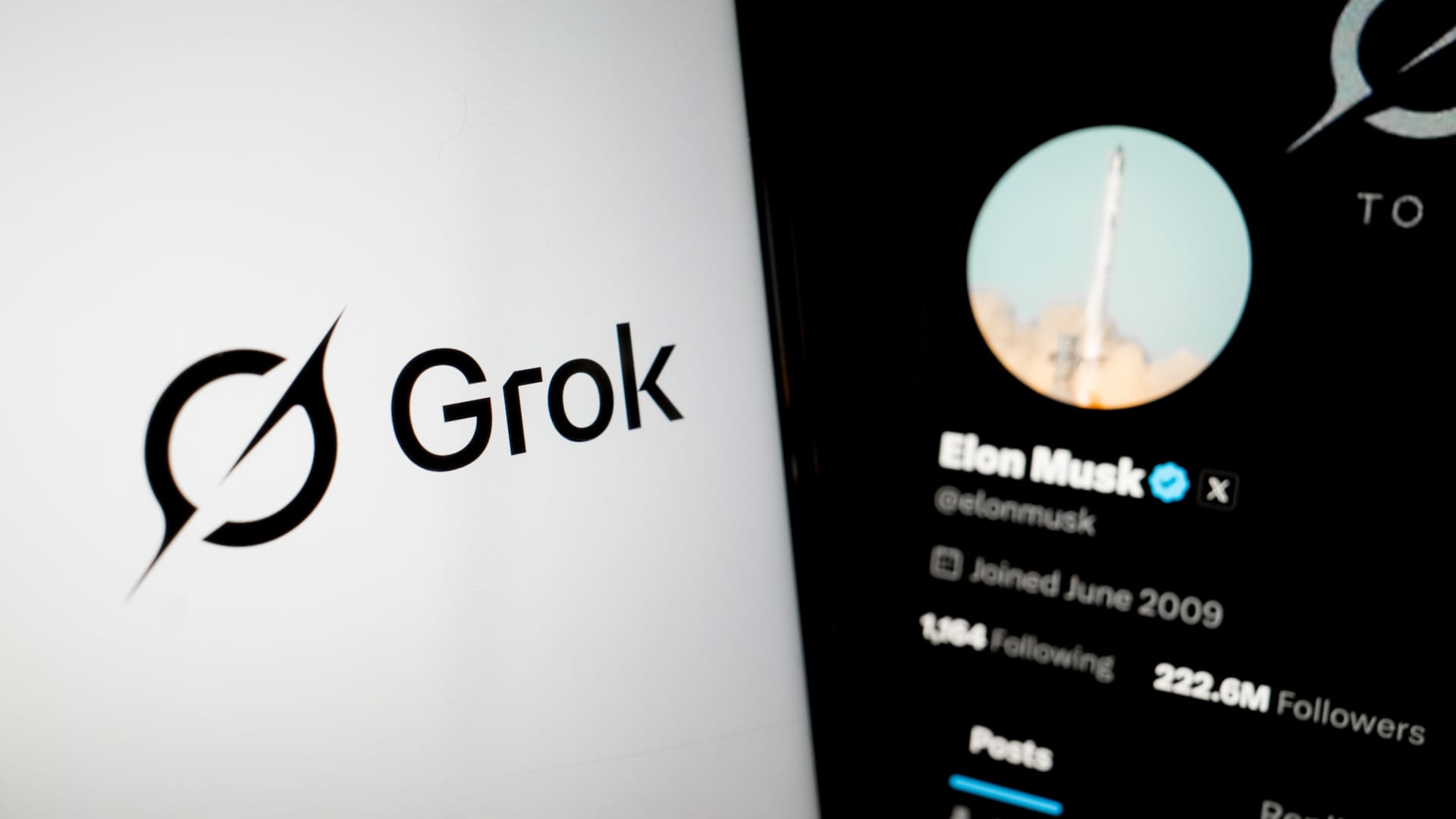
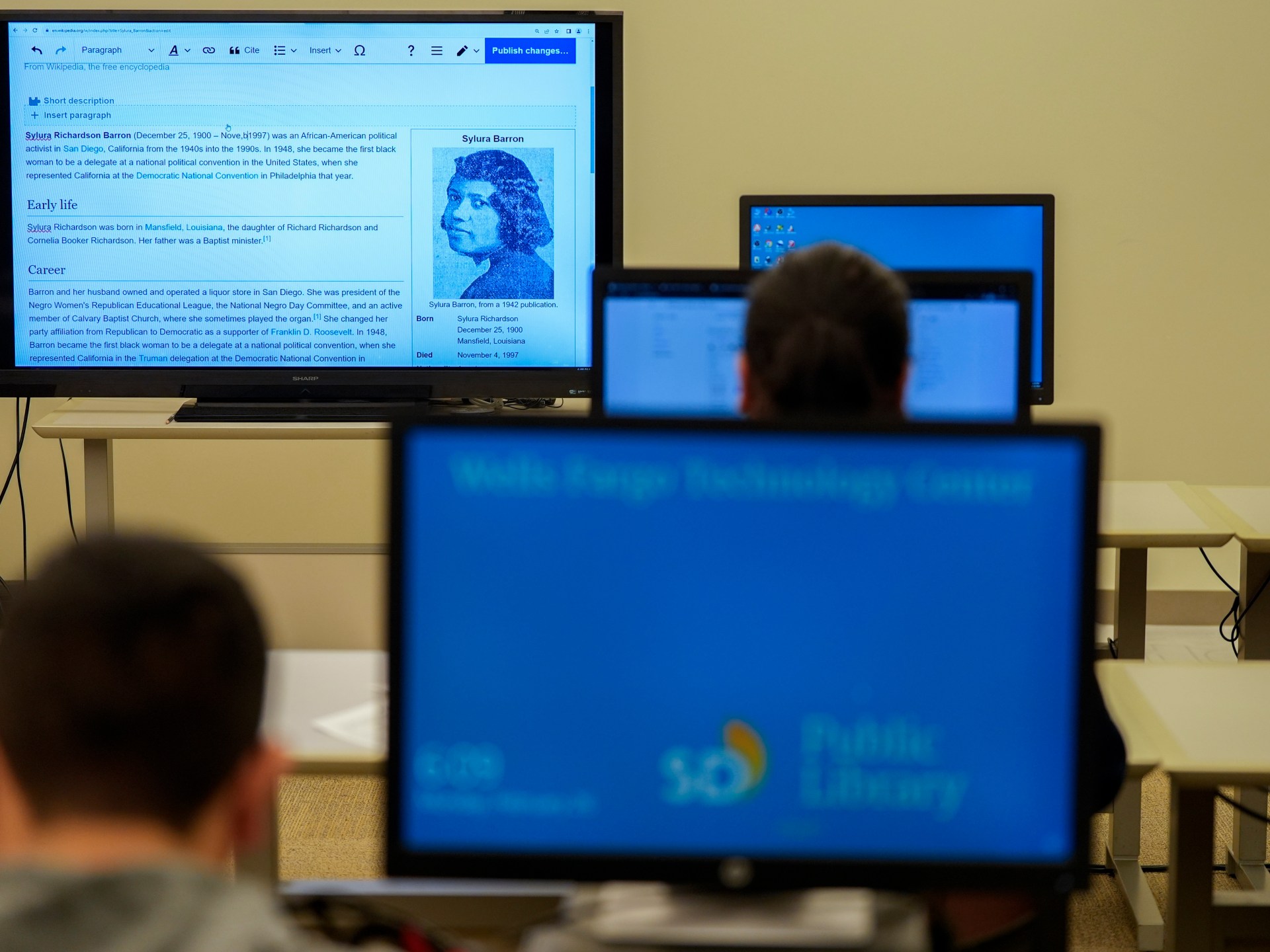
Officially, Grokipedia is intended as an alternative to Wikipedia, which Musk, Donald Trump's former friend, considers too "ideological" and "biased." Unlike the collaborative encyclopedia maintained by thousands of volunteer contributors, Grokipedia relies on articles written by the Grok chatbot – Musk and xAI's answer to ChatGPT – and then validated by algorithms whose workings are opaque and far removed from the pluralism that is Wikipedia's strength. The result is striking: More than 800,000 articles were available at its launch.
This platform is far more than a simple reference tool; it has become the intellectual substrate for training Musk's own AI models. In other words, Musk's AI will be trained using the world as Musk describes, perceives and desires it – and no longer using Wikipedia or other media deemed too ideological. In short, "The circle is complete," as Ethan Mollick, a professor at the Wharton School of the Univeristy of Pennsylvania and an AI specialist, wrote on LinkedIn.