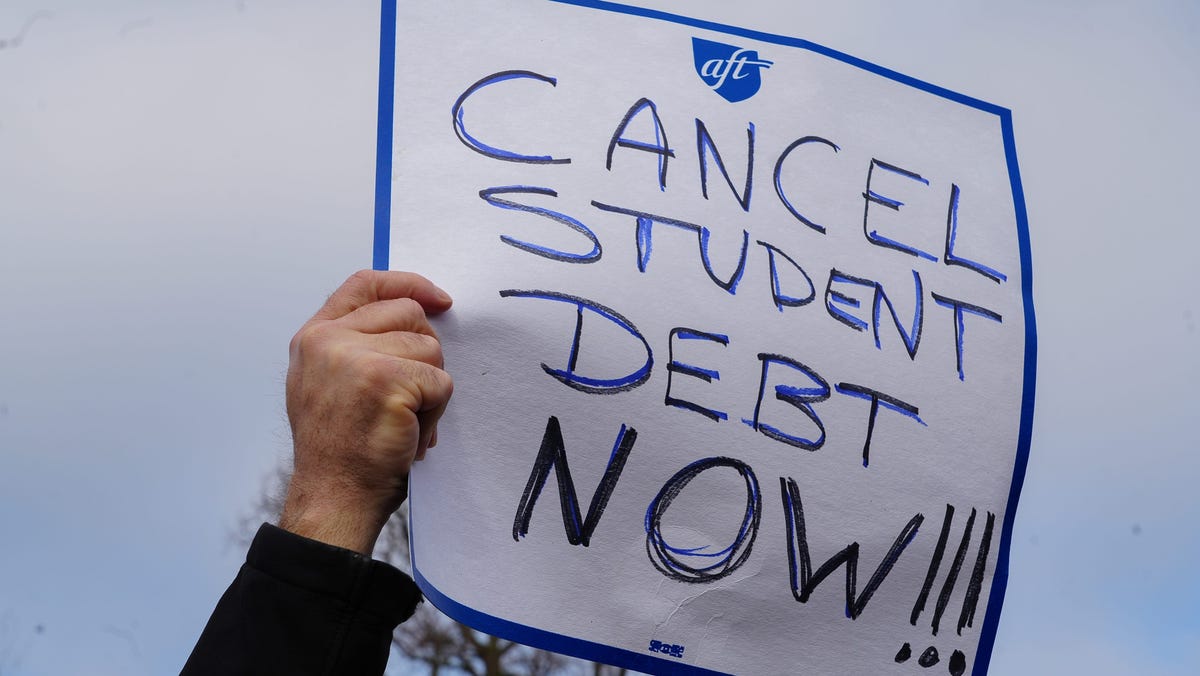
Student loan forgiveness is a major relief for borrowers — many of whom have been in repayment for decades. But after receiving debt cancellation, there are key steps you should take, experts say.
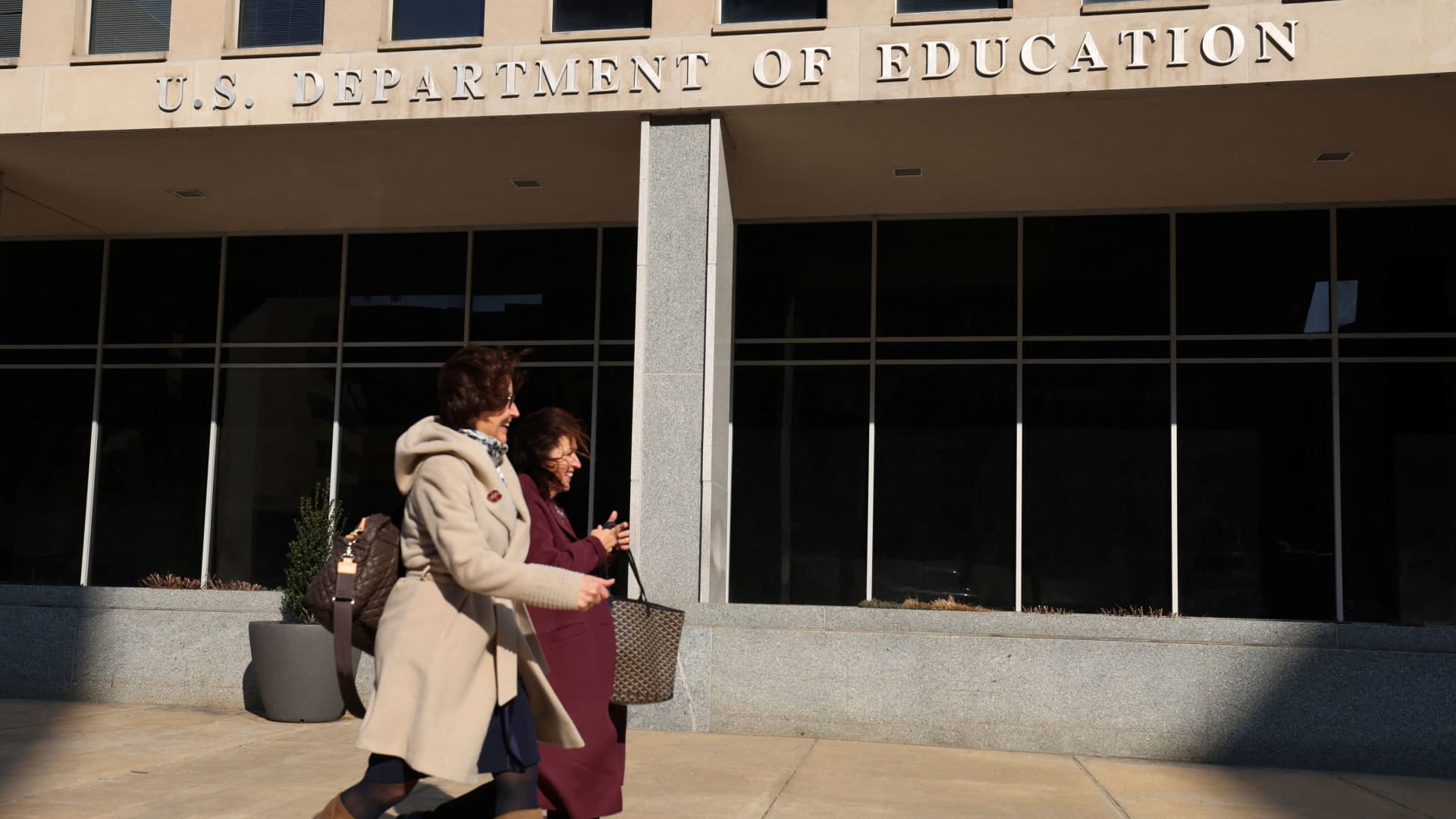
The Trump administration agreed last month to resume forgiving people’s education debts under programs that it had partially paused, including the Income Contingent Repayment plan, or ICR, and the Pay as You Earn plan, or PAYE. The concessions resulted from a lawsuit by the American Federation of Teachers against the U.S. Department of Education, which accused the government of blocking borrowers from opportunities mandated in their loan terms.
Even during the government shutdown, some student loan borrowers have started receiving messages that the Education Department has forgiven their debt.
More than 40 million Americans hold student loans, and the outstanding debt exceeds $1.6 trillion.
“A financial windfall is a great time to evaluate progress towards life goals,” said Dana Levit, a certified financial planner and the owner of Paragon Financial Advisors in the Boston area. “In this case, there is now additional discretionary income that had previously been used for making payments on the student loan debt.”