The Choral depicts an amateur choral society in wartime Yorkshire taking on Elgar’s trailblazing and controversial work. But how much does Alan Bennett’s fiction reflect actual fact?
N
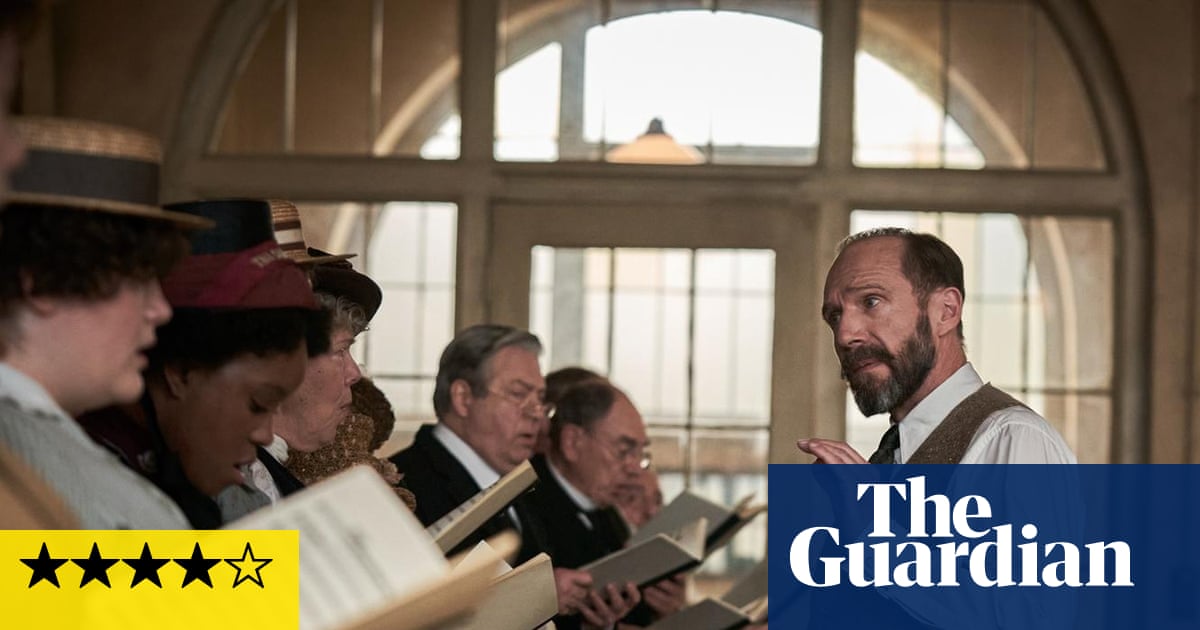
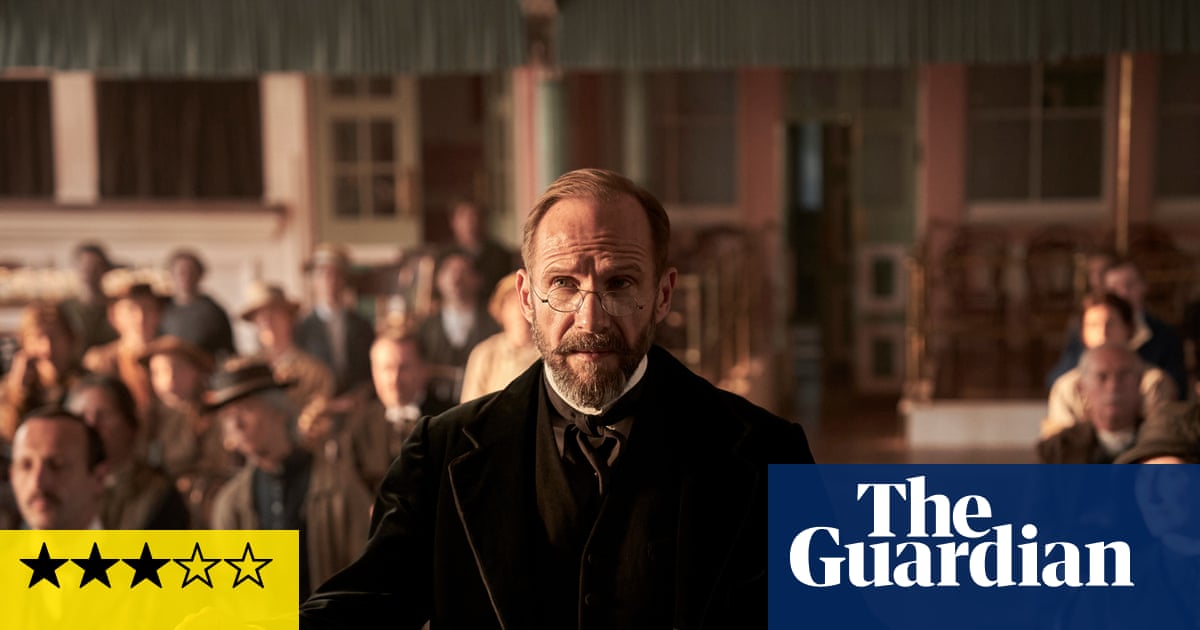
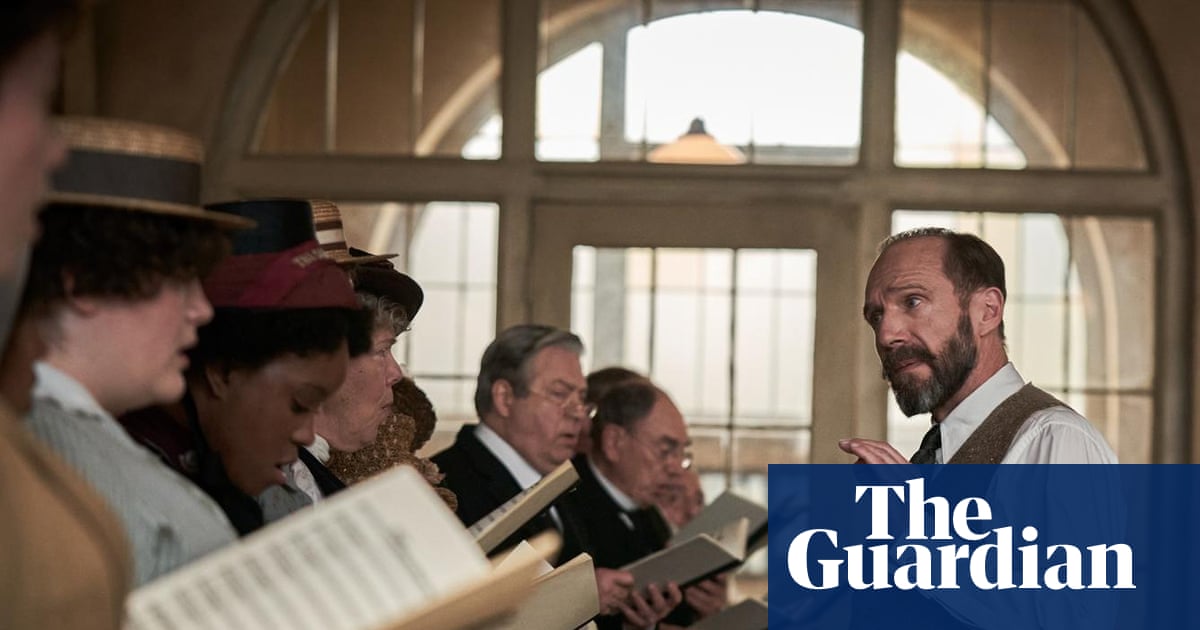
icholas Hytner’s new film, The Choral – in UK cinemas today – culminates in an unconventional rendition of Edward Elgar’s The Dream of Gerontius. Alan Bennett’s screenplay is an affectionate portrayal of a choral society in a small Yorkshire town during the first world war. Searching for non-German repertoire, the chorusmaster Dr Guthrie (Ralph Fiennes) settles in desperation on Gerontius.
Perhaps it is Elgar’s reputation as a pillar of the British establishment – he appears briefly in the film, a cameo from an extravagantly moustachioed Simon Russell Beale – that reassures Bennett’s fictional committee members that this will be a safe choice. But as Guthrie starts to teach the unfamiliar score, they realise Sir Edward’s patrician persona has deceived them. They expected something staidly English, but instead encounter music they find disturbingly Catholic, foreign and theatrical.
Bennett’s screenplay is full of characteristic whimsy – at one point choir members deliver pitch-perfect renditions of Gerontius as they run through the streets, a scenario the intricacy of Elgar’s choral writing makes difficult to believe – but it is nonetheless rooted in a secure understanding of the work’s troubled and controversial history.