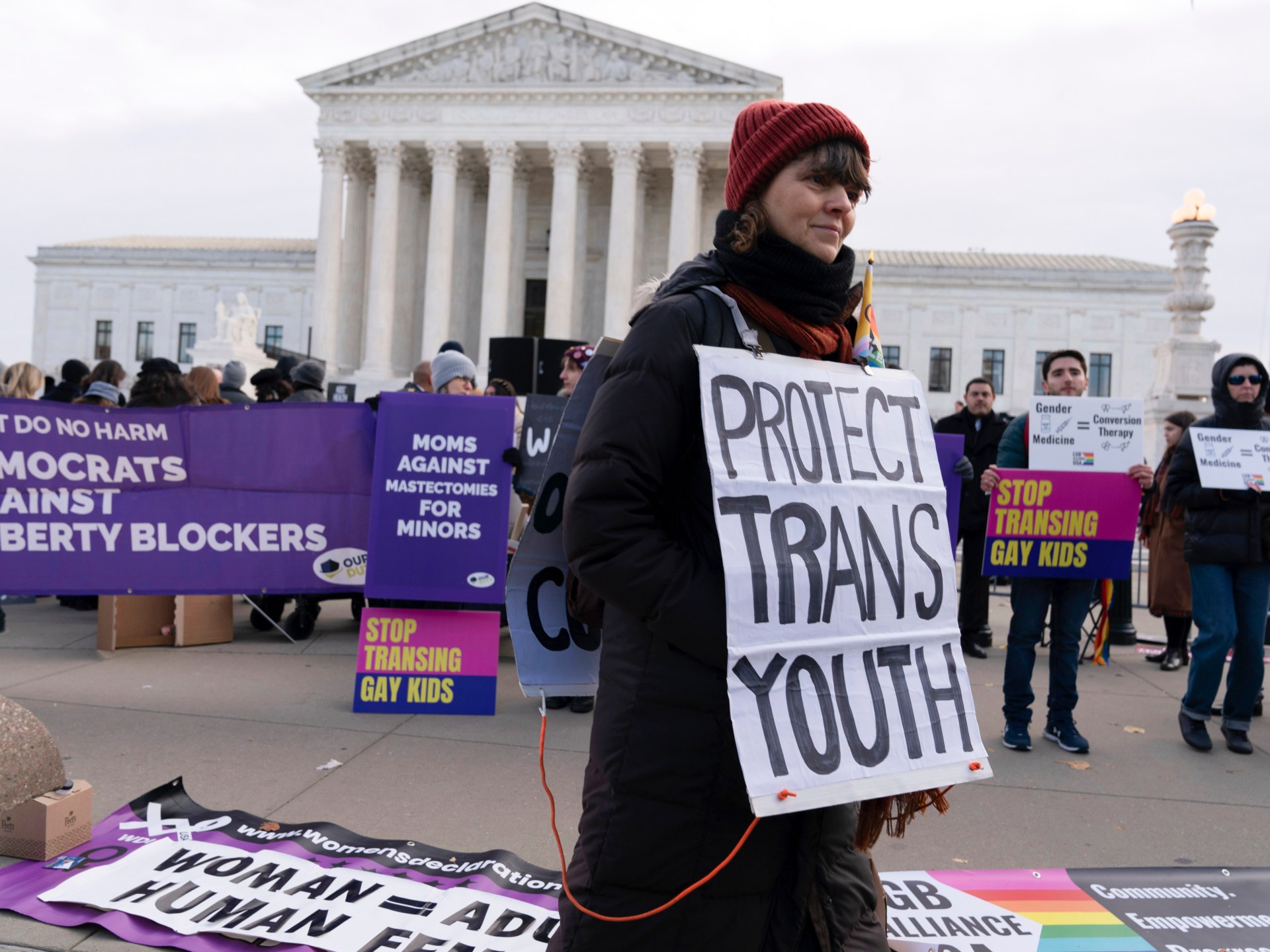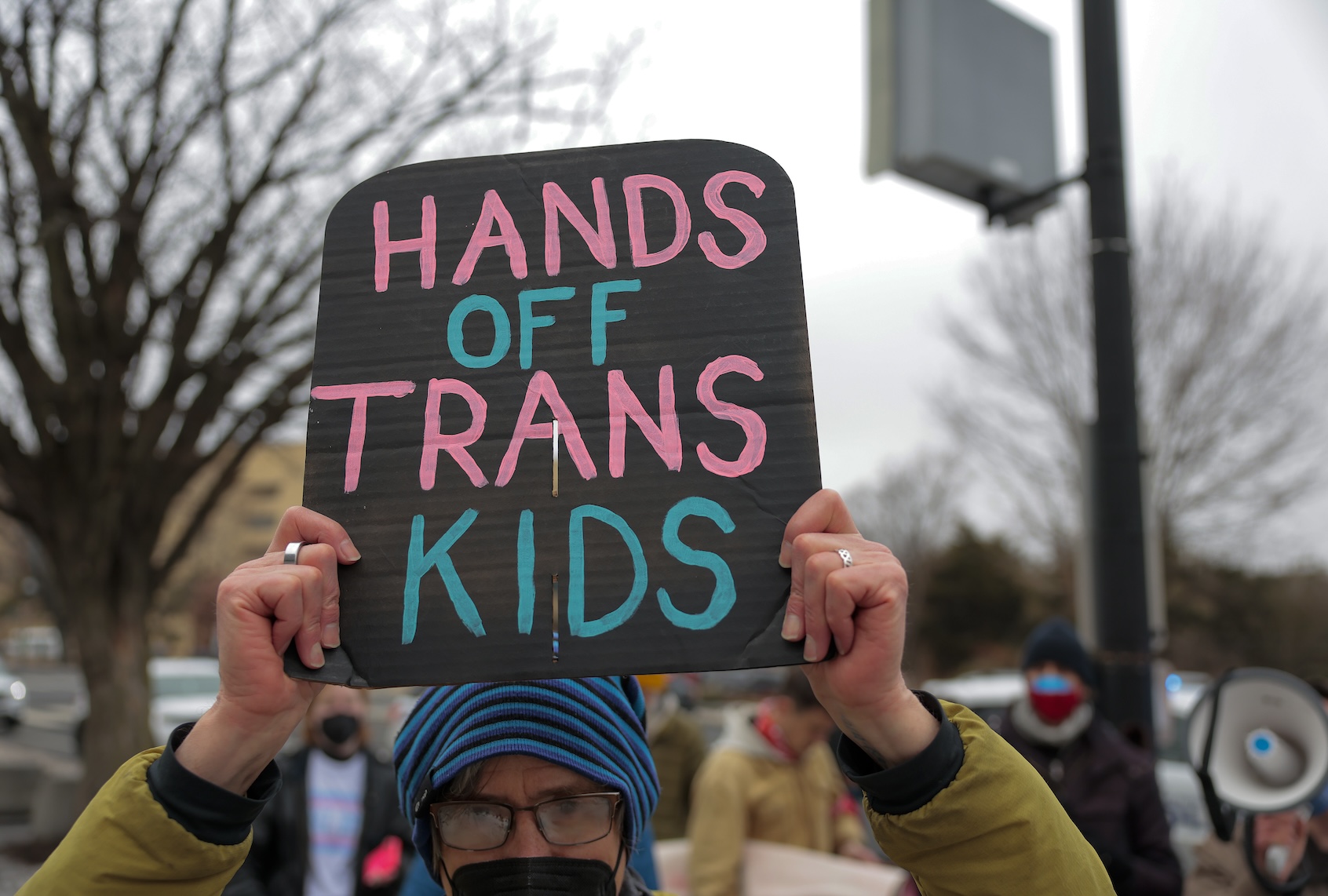
The proposed withholding of Medicaid and Medicare to restrict gender-affirming care follows the same logic as attacks on abortion care
I
n United States v Skrmetti, a supreme court decision issued this summer, the rightwing justices made it legal for states to ban gender-affirming care for trans minors, in a ruling whose reasoning strained logic, claiming that state laws banning the treatment did not discriminate on the basis of sex. The ruling upheld laws in 27 states, all of them passed since 2021, which banned the treatment outright; according to the Human Rights Campaign, about 40% of trans minors live in states where treatment for them is against the law. Now, the Trump administration seems to be looking to cut off access to care for the other 60% of those kids.
In a proposed rule leaked to NPR, the administration plans to ban gender-affirming care for minors from being covered by Medicaid or by the Children’s Health Insurance Program, or Chip. In a second, more sweeping proposed rule, the Trump administration looks to ban hospitals, clinics and providers from receiving any Medicaid or Medicare reimbursements at all if their practice provides transition-related pediatric care.
If enacted, the orders – which NPR reports are scheduled for a rollout in early November – would dramatically reduce the number of providers able to treat trans teens, even in states where the care remains legal. Unable to keep their practices financially viable without reimbursements for care provided to Medicare and Medicaid recipients, the majority of medical professionals currently treating trans kids with puberty blockers, hormones or affirming forms of psychotherapy would be forced to stop providing such treatment. The result would be a back-door ban on transition-related care for minors nationwide: even in states that have not passed laws banning the care, like the one upheld in Skrmetti, trans teens and their families – even those are able to pay for the care – would not be able to find a doctor willing to help them.