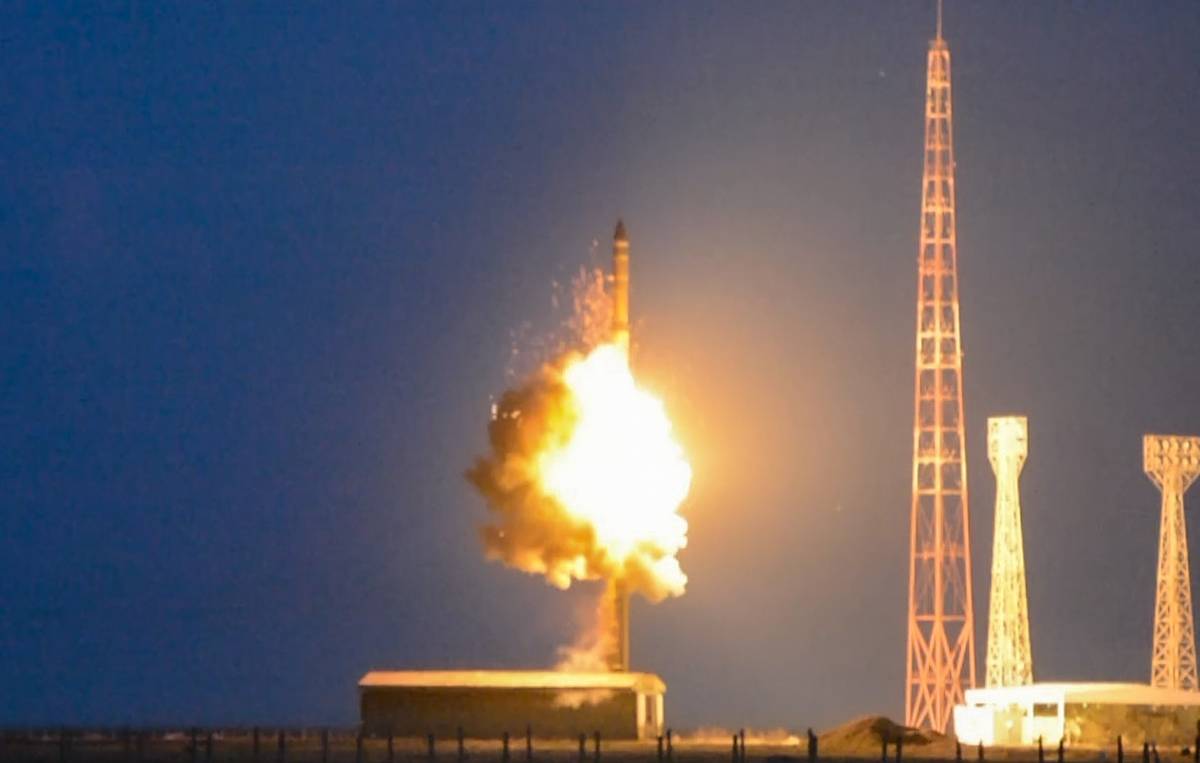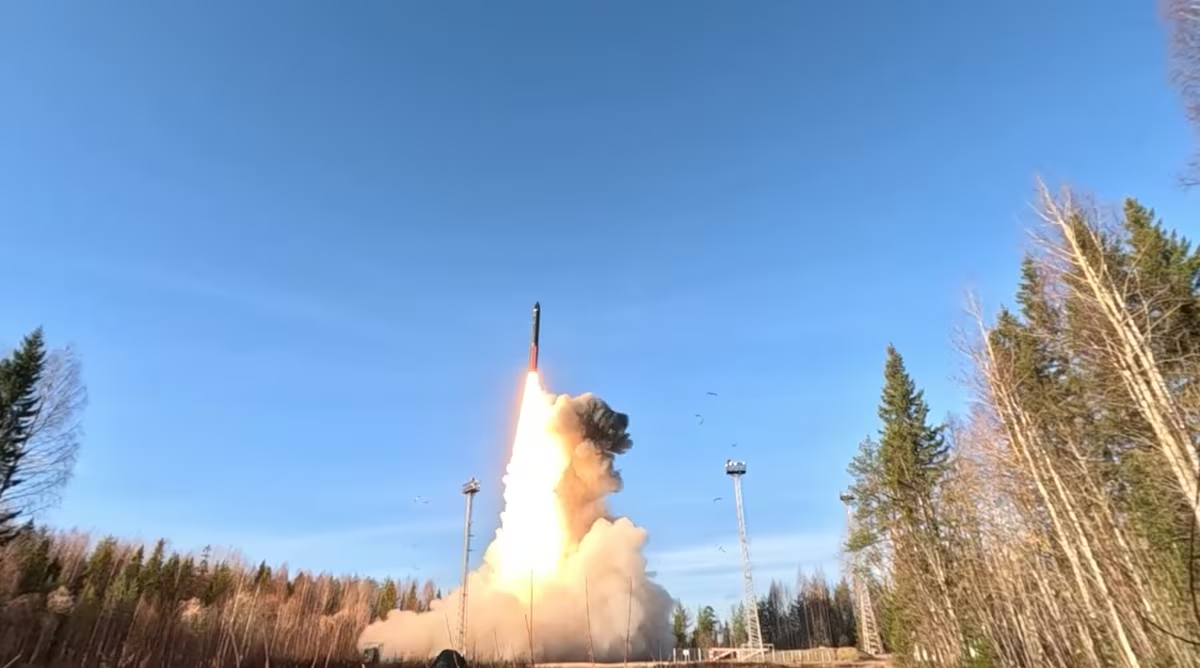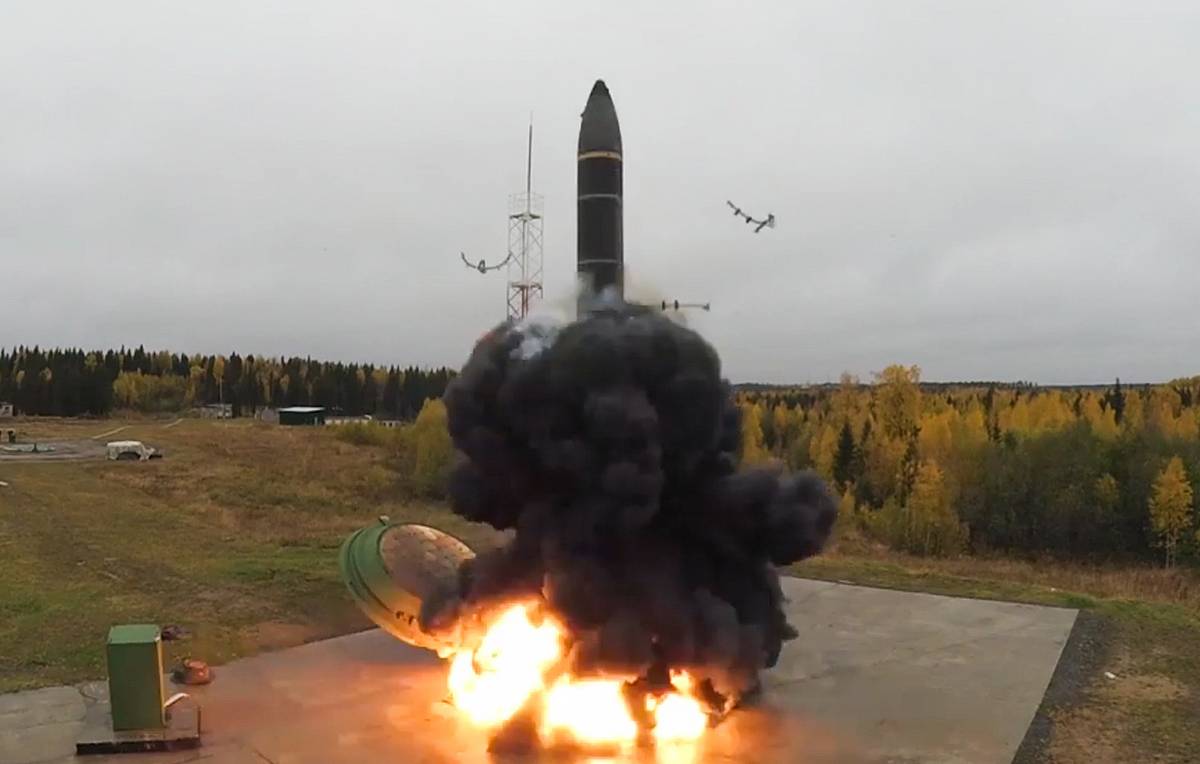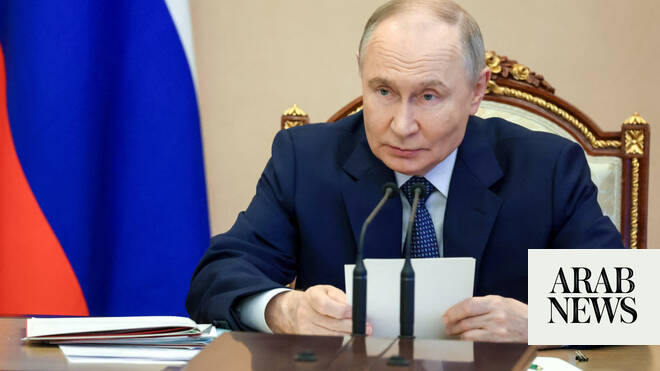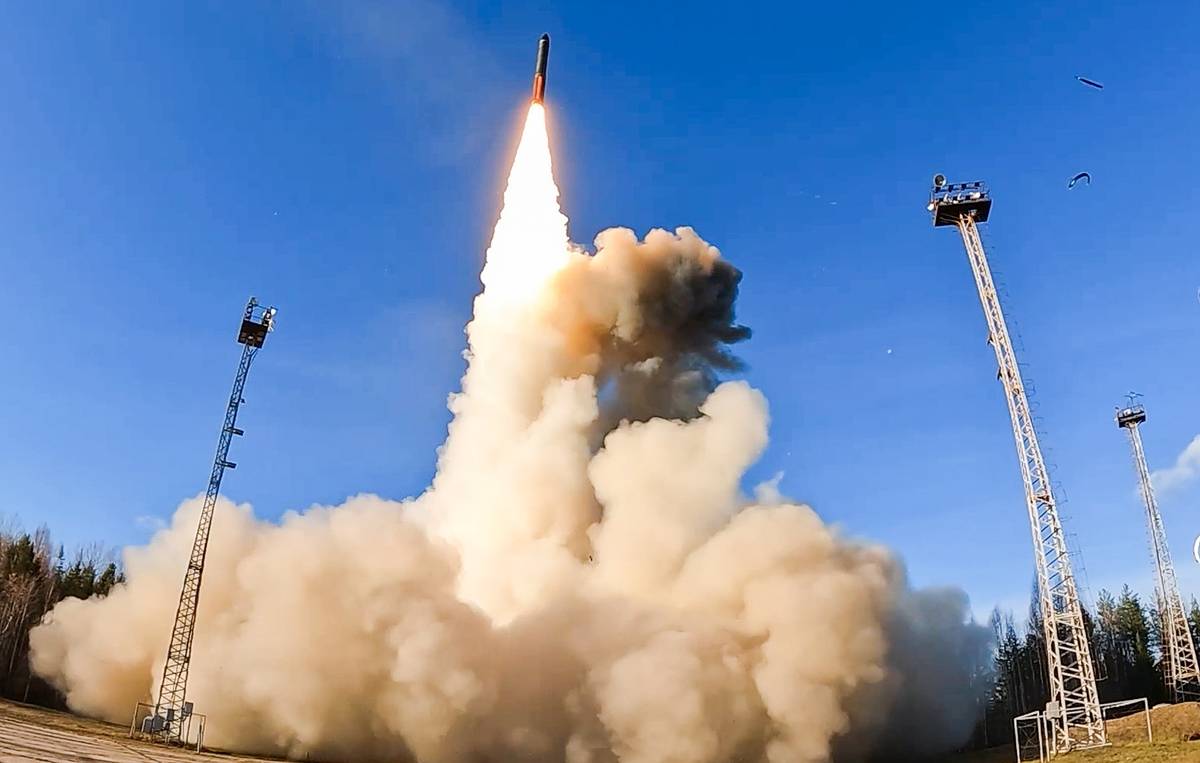
TASS FACTBOX. On November 5, 2025, Russian Presidential Spokesman Dmitry Peskov declared that Russia’s updated nuclear triad is the most advanced in the world. To shed light on this, the TASS FACTBOX editors have compiled a comprehensive factsheet explaining the concept of the nuclear triad and highlighting recent exercises conducted by Russia’s strategic nuclear forces.
In international terminology, the nuclear triad encompasses the complete spectrum of strategic nuclear forces (SNF), comprising three core components: ground-based, sea-based, and air-based systems. In Russia, these are represented by the Strategic Missile Forces, the Navy’s strategic submarines, and the Aerospace Forces’ strategic bombers, respectively.
The development of strategic nuclear forces began in the 1950s. Today, their arsenals primarily include silo-based and mobile intercontinental ballistic missile (ICBM) systems, strategic nuclear submarines (SSBNs), and strategic bombers armed with air-launched cruise missiles and aerial bombs. In June 2025, President Vladimir Putin announced that approximately 95% of Russian nuclear forces are equipped with modern, upgraded weapons.
The history of Soviet and Russian strategic nuclear exercises dates back to the early 1960s. One of the earliest, codenamed Rosa, took place in September 1961. It verified the reliability and precision of the R-12 missiles, with launches from Salekhard (now in the Yamal-Nenets Autonomous District) successfully delivering nuclear warheads to targets on Novaya Zemlya Island in the Arkhangelsk Region.