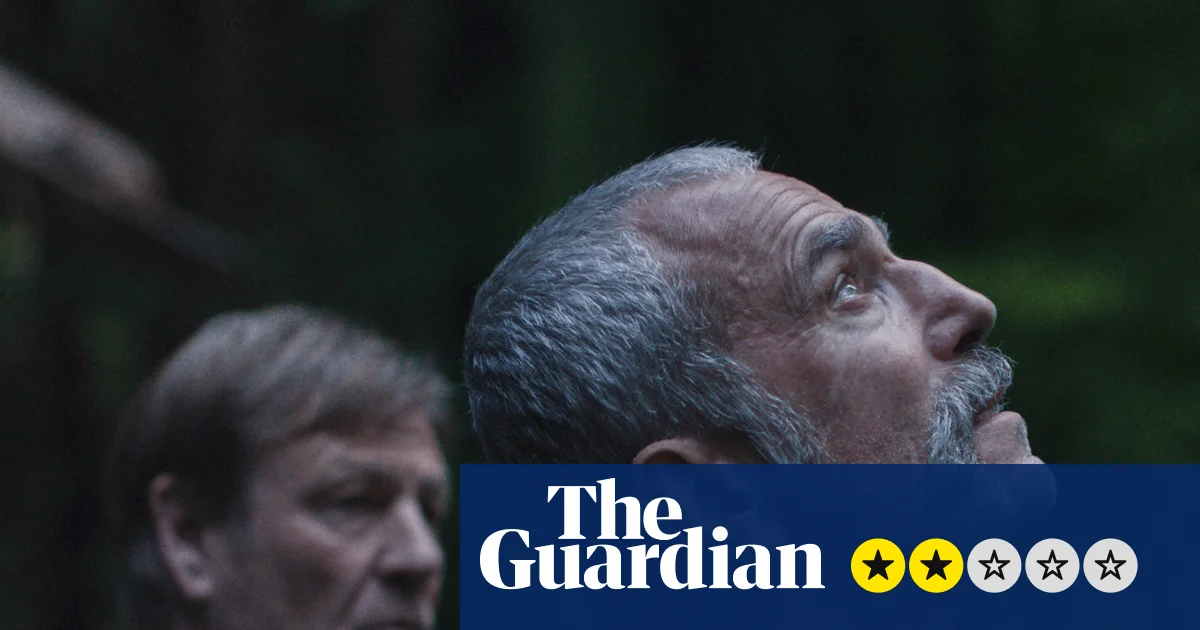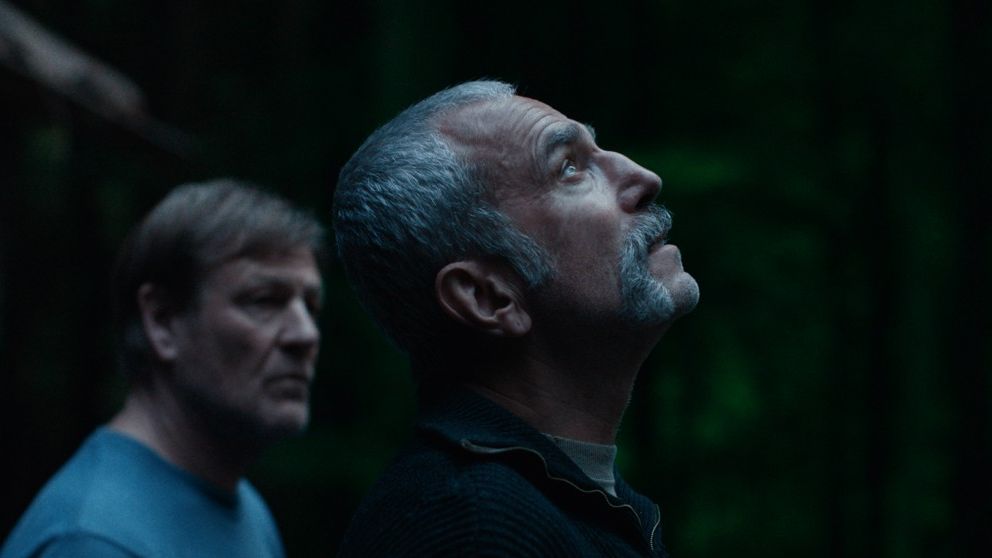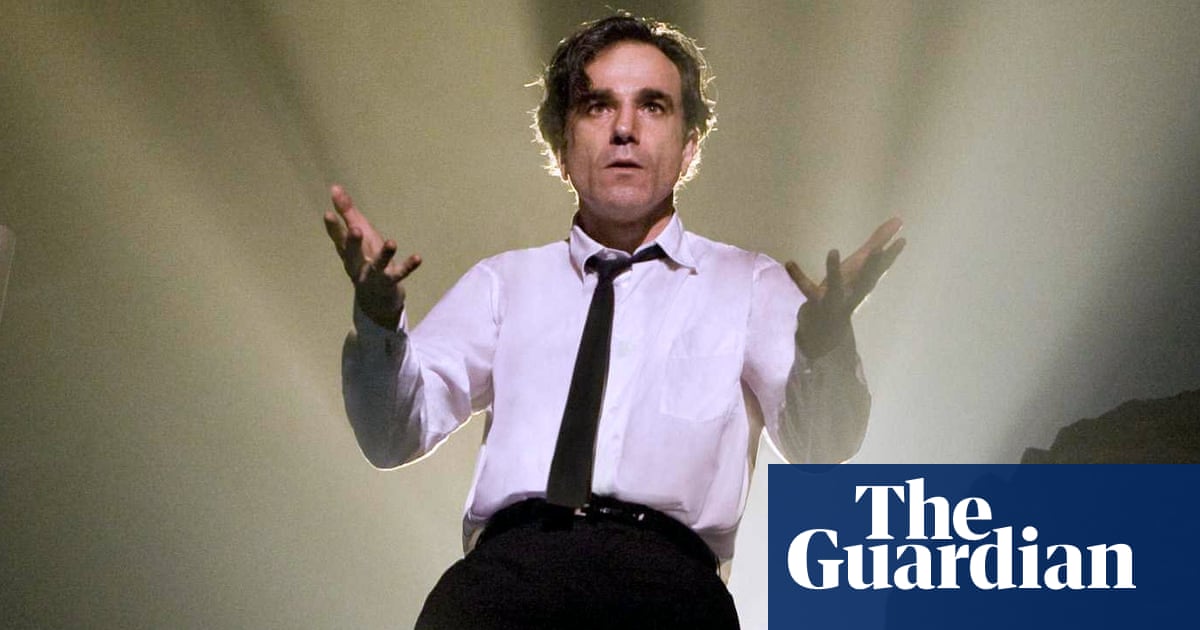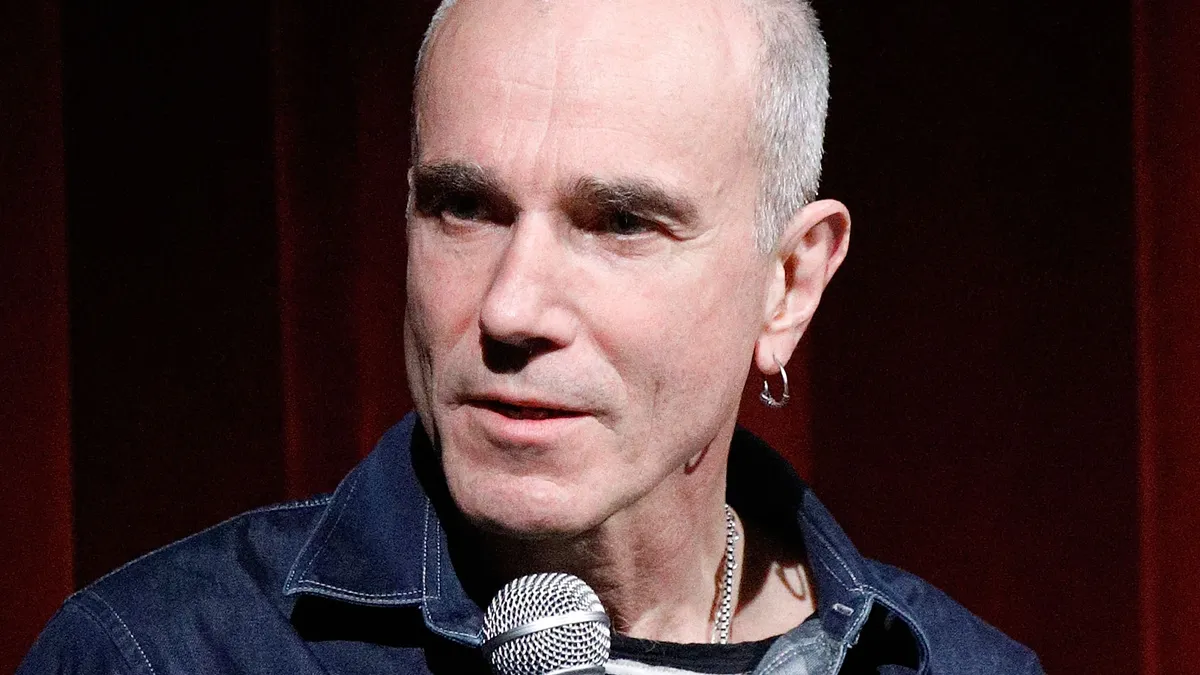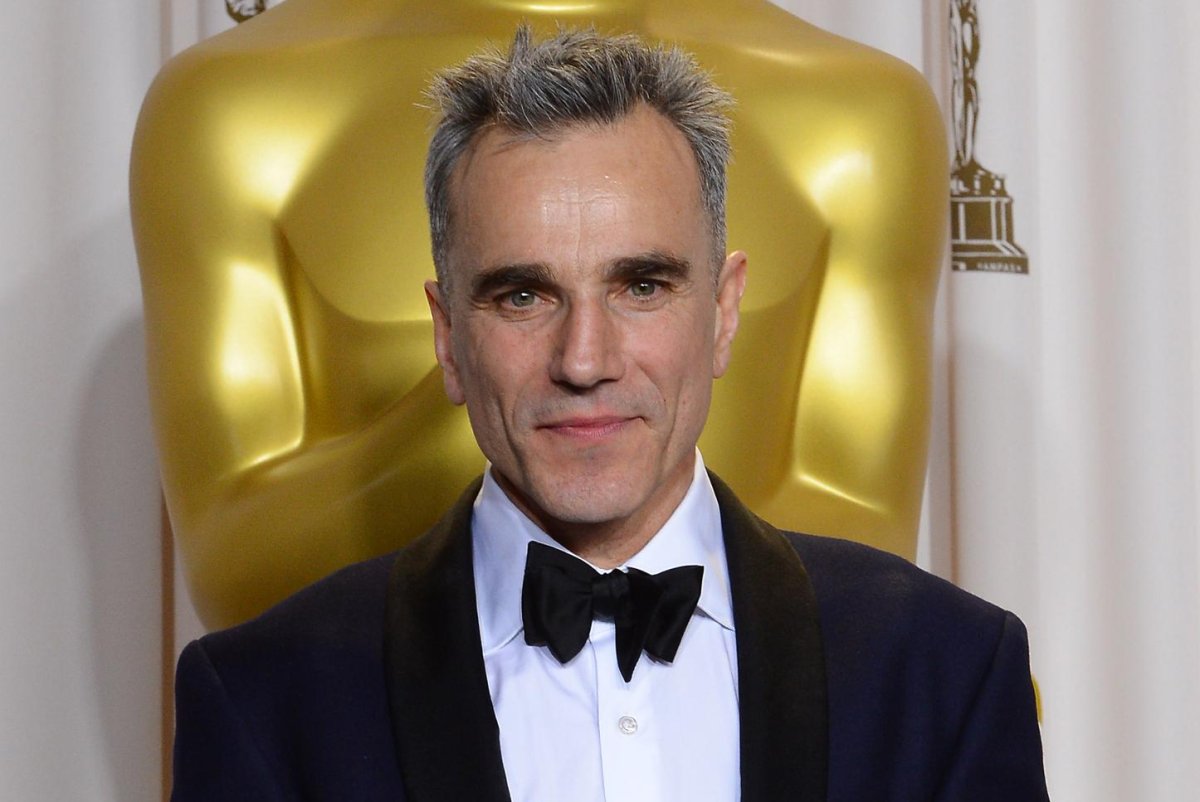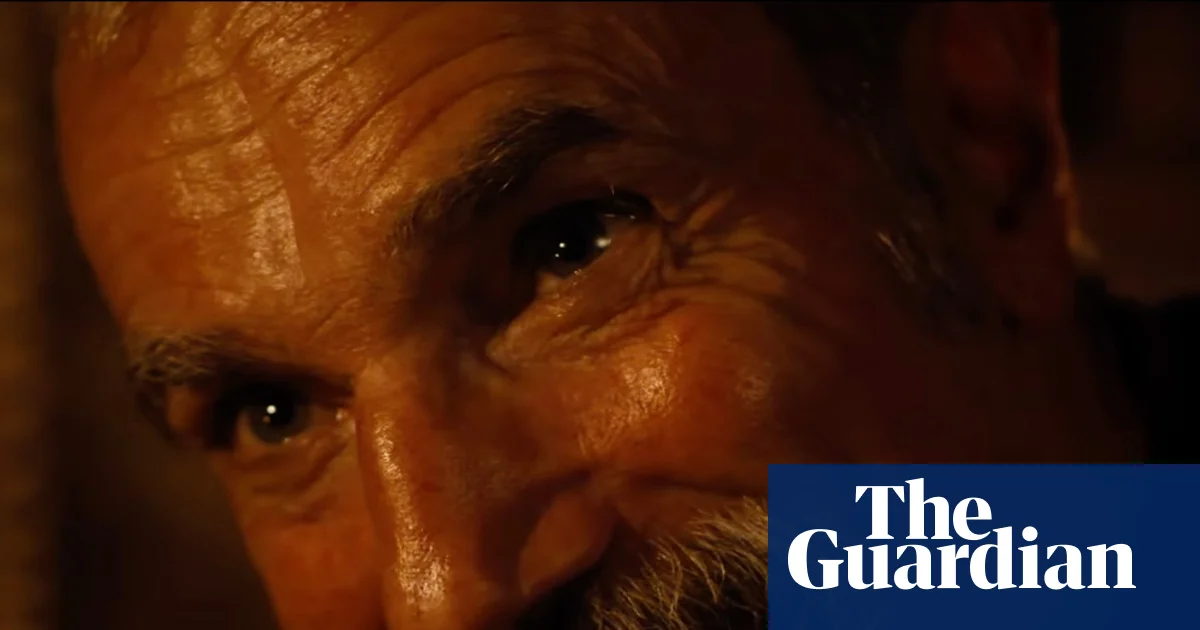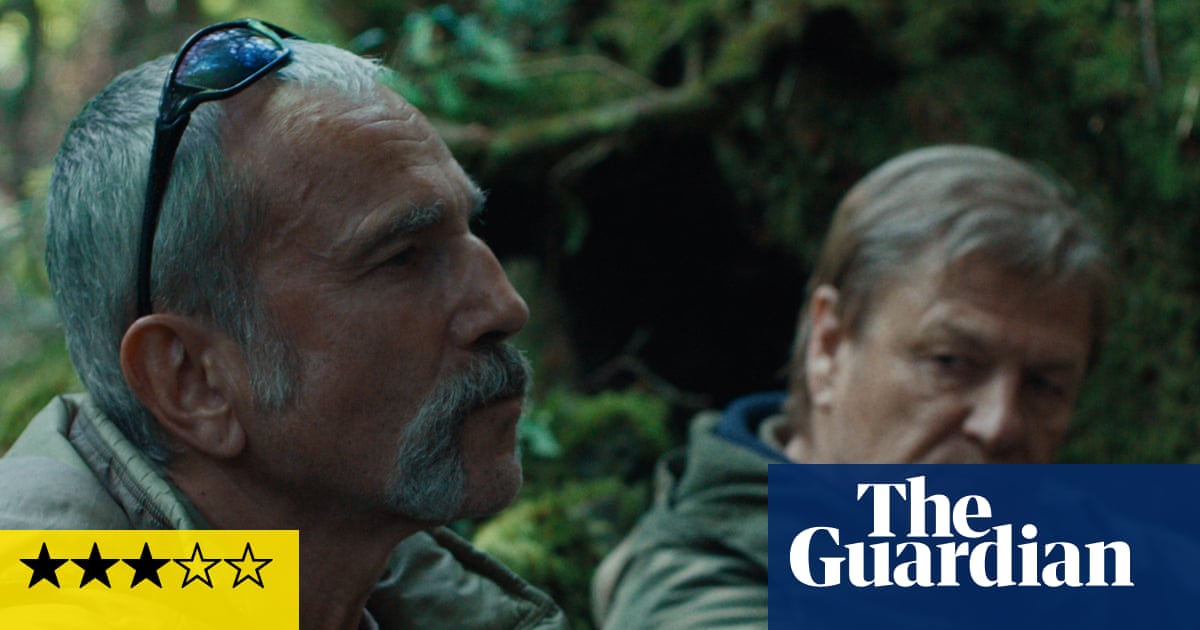
It is a pleasure to see Day-Lewis back on screen, and he dominates a movie of big scenes and big performances, co-written with and directed by his son
T
he absolute authority and force of Daniel Day-Lewis carries this movie in the end, and what a pleasure to see his return to the screen. Without him, though, it might have been harder to take this film’s rather redundant, laborious dramatic gestures and its macho-sensitive narcissism. Even with Day-Lewis, in fact, there are tricky moments in the dialogue, and at the end of each of the two big speeches you might imagine a drama teacher saying: “… and … scene!”
Yet Day-Lewis’s instinctive command of the moment and address to the camera – that fascinating theatricality and artifice visible in even his most realist performances – make him endlessly watchable. He is supposed to be playing a former army sergeant here. I’d put his rank higher than that. It is a movie that Day-Lewis co-wrote with his son Ronan, who also directs. It’s about a father coming to terms with his neglect of his son. We must make of that what we will.
Day-Lewis plays Ray, a man living an ascetic, hermit existence in a remote forest hut somewhere near the coast in Britain in the late 1990s, radiating angry integrity and self-reliance, and cultivating the anemones that his father also used to grow. Watching this, I realised how much I want to see Day-Lewis play Timon of Athens.