T
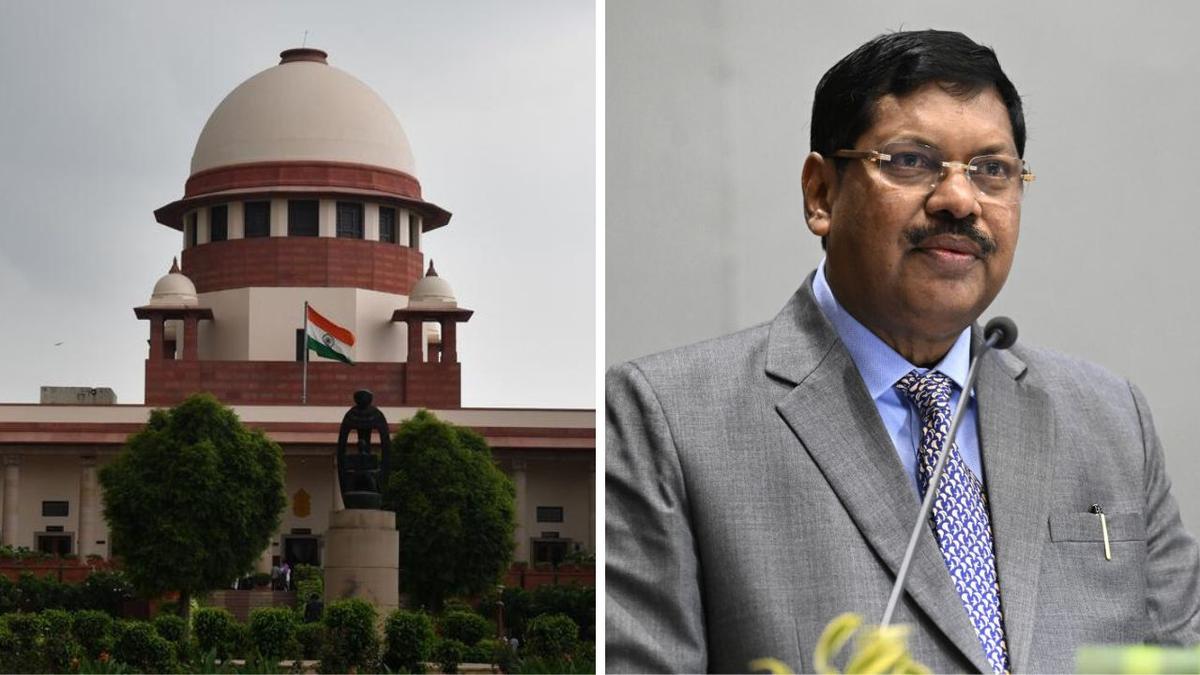
he recent controversy over the alleged contemptuous and derogatory remarks against the Chief Justice of India and the Supreme Court has not only raised eyebrows, but can also be considered an act of diminishing the ‘authority’ of India’s top court. Moreover, such remarks being spread through media and social media may also be seen as an act of interfering and obstructing the administration of justice, thereby directly damaging the edifice of constitutional morality. This has been the basis for the demand to initiate contempt proceedings.
Understanding contempt
The phrase ‘contempt of court’ is used in Article 19(2) as one of the grounds for imposing reasonable restriction on fundamental freedoms yet the Constitution does not give guidelines on how to initiate such proceedings. In India, the Supreme Court and High Court have been designated as courts of record under Article 129 and 215 respectively. A court of record is one whose decisions are kept in reserve for future references and inherently it also has the power to punish for its contempt. This implicit constitutional provision is explained in the Contempt of Court Act, 1971.
The Act classifies contempt into civil and criminal. Section 2(b) of the Act defines civil contempt as wilful disobedience to any judgment, decree, direction, order, writ or other process of a court or wilful breach of an undertaking given to a court. On the other hand, criminal contempt is defined in Section 2(c) of the Act, as the publication (whether by words spoken or written or by signs or by visible representations or otherwise) of any matter or the doing of any act which — (i) scandalises or lowers the authority of any court; or (ii) prejudices or interferes or tends to interfere with, the due course of any judicial proceeding; or (iii) interferes or tends to interfere with the administration of justice in any other manner. This makes it clear that contempt is different from mere disrespect. It is beyond just covering disobedience and disruption in the working of the justice system. The Act further states that the High Court or Supreme Court may initiate contempt proceedings suo moto. It may also be initiated by a third party provided the petition has consent from the Attorney General or Advocate General for the Supreme Court and High Court respectively.