O
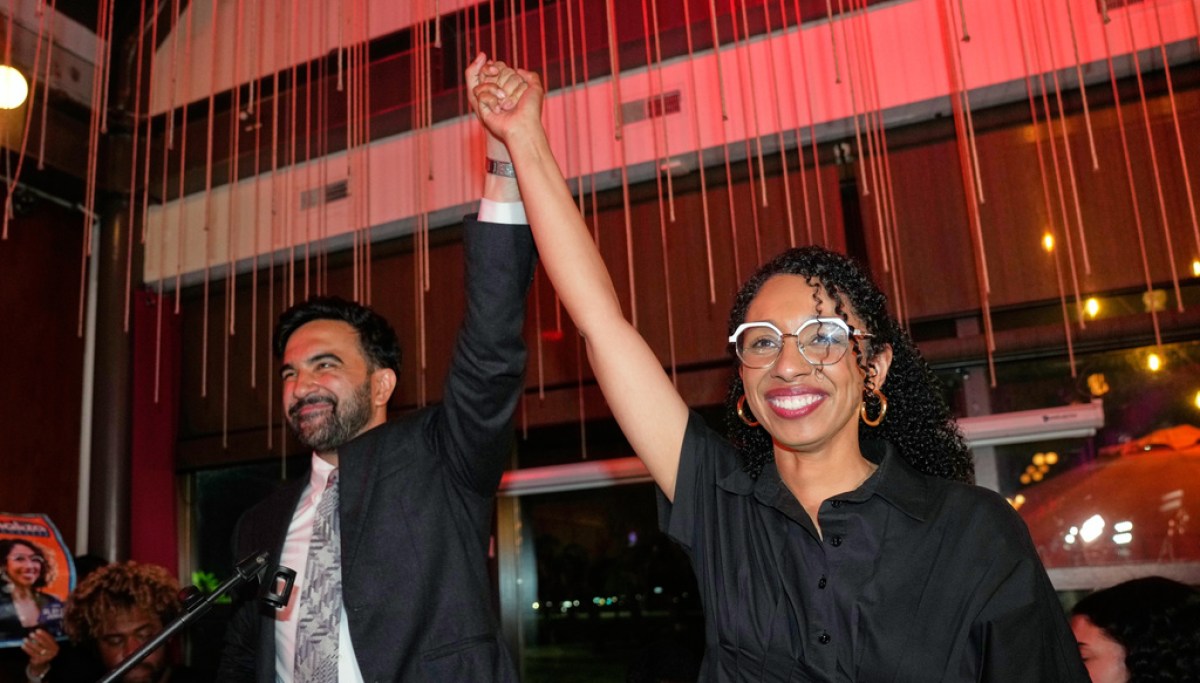
n my left, Zohran. On my right, Abigail. In the middle lies the fate of the Democratic Party in the United States, and to say the party is struggling would be an understatement. One year after Kamala Harris lost to a 78-year-old convicted felon, also accused of orchestrating an attempted coup on January 6, 2021, the defeated camp remains mired in a kind of year zero: a deep depression with no clear way out in sight. Nothing is working, with no message and no messenger. Despite Donald Trump's daily excesses and the federal government's use of resources against political opponents labeled as internal enemies, the Democratic Party remains a political turn-off.
Never before have so many voters had an unfavorable opinion of the party – 61% according to a Gallup poll published on October 21. And the finances of its main engine, the Democratic National Committee, pale in comparison with the GOP. A progressive think tank, the Center for Working Class Politics, ran a test in Rust Belt states (Wisconsin, Michigan, Ohio) with fictional candidates running on the same platforms, labeled either independent or Democratic. The Democrats consistently lost by about 10 points.
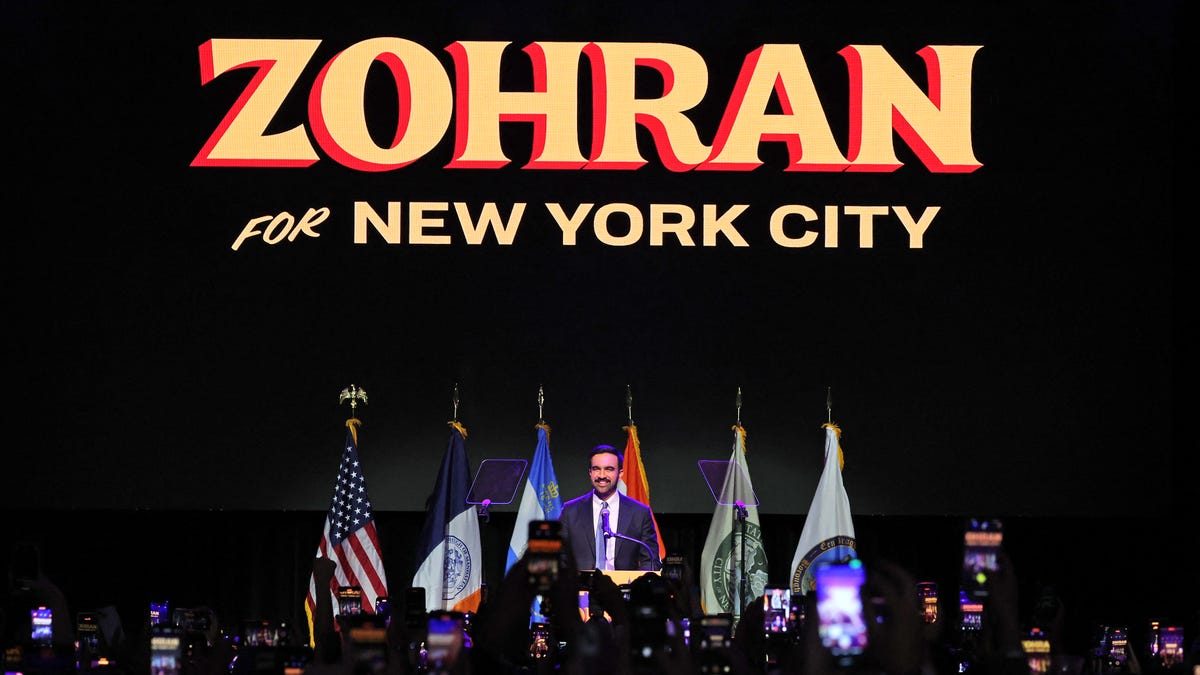
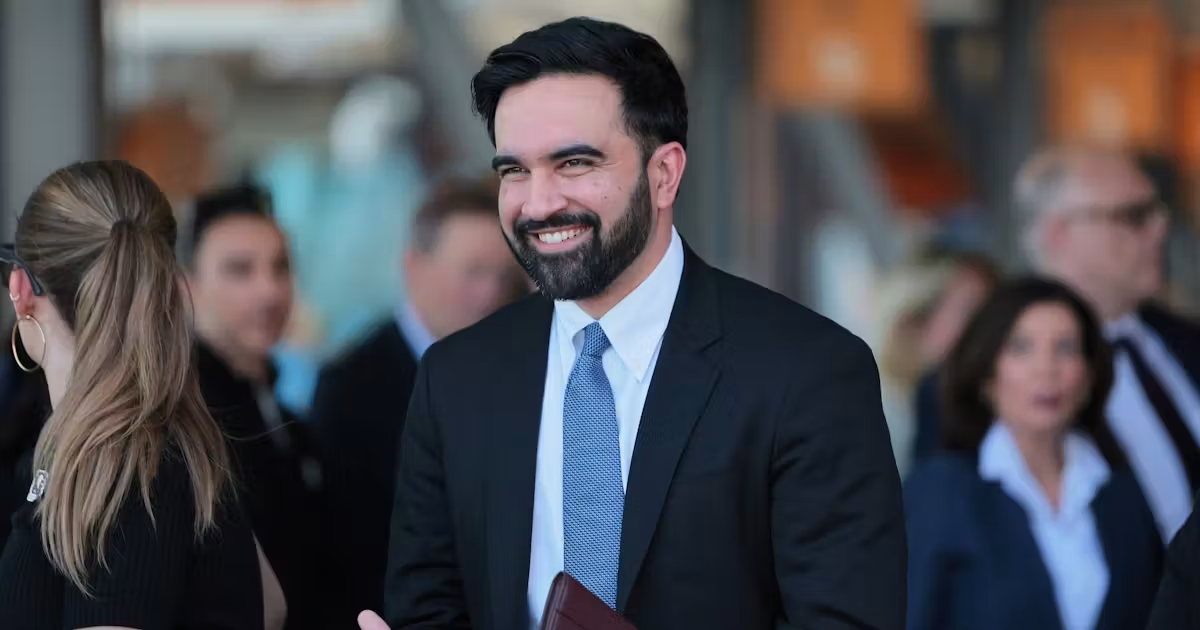
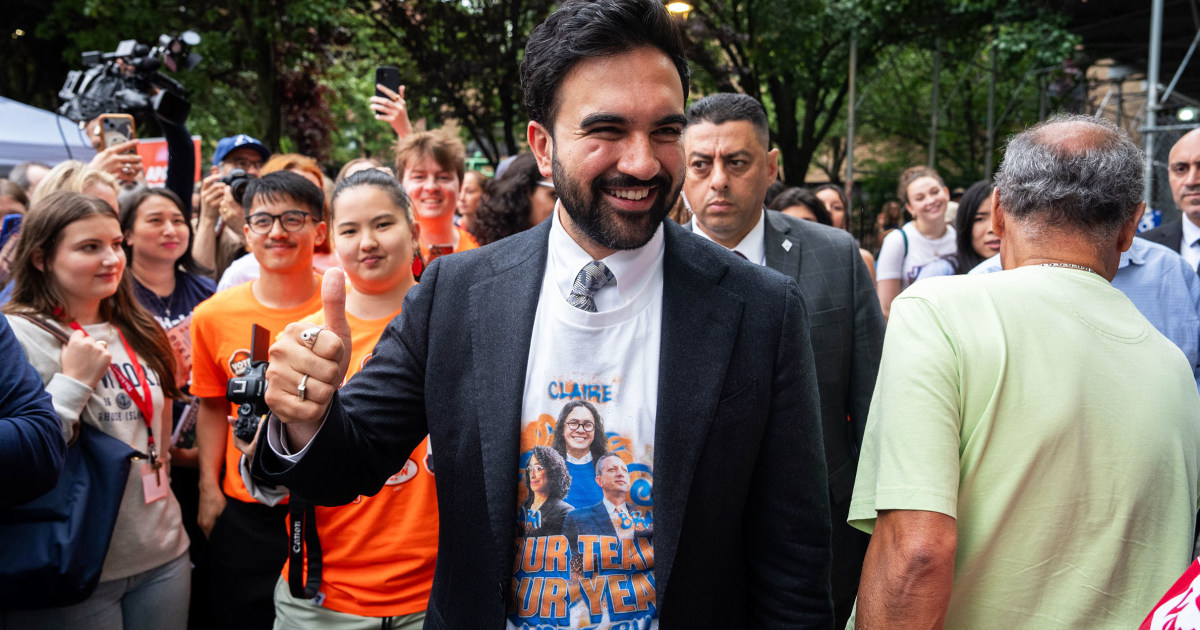
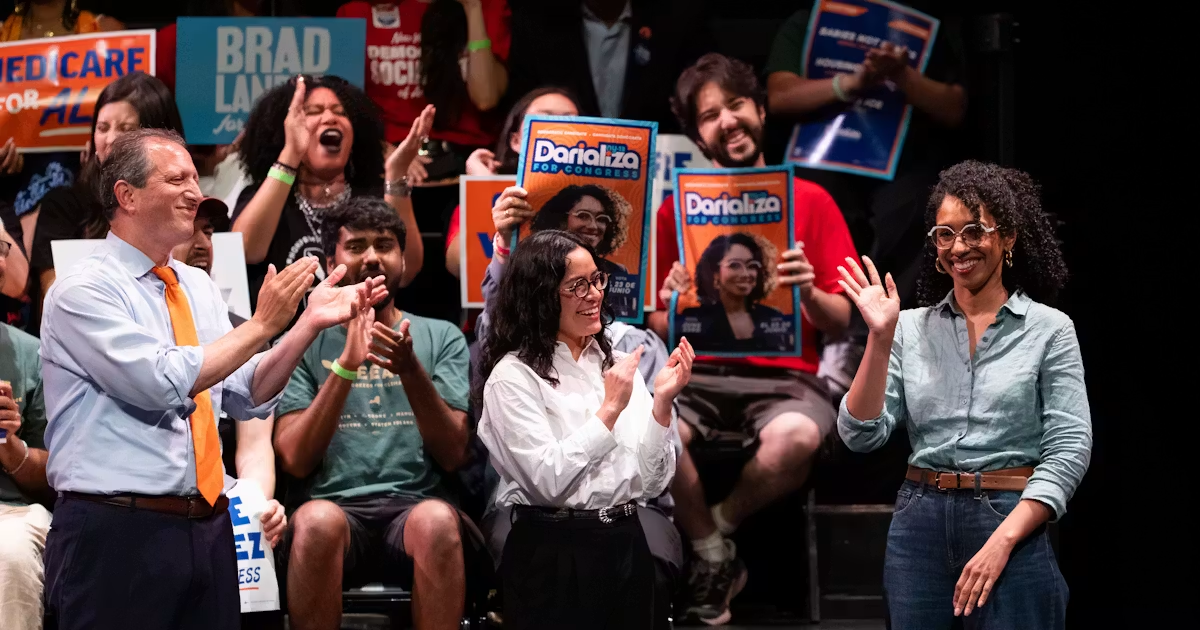
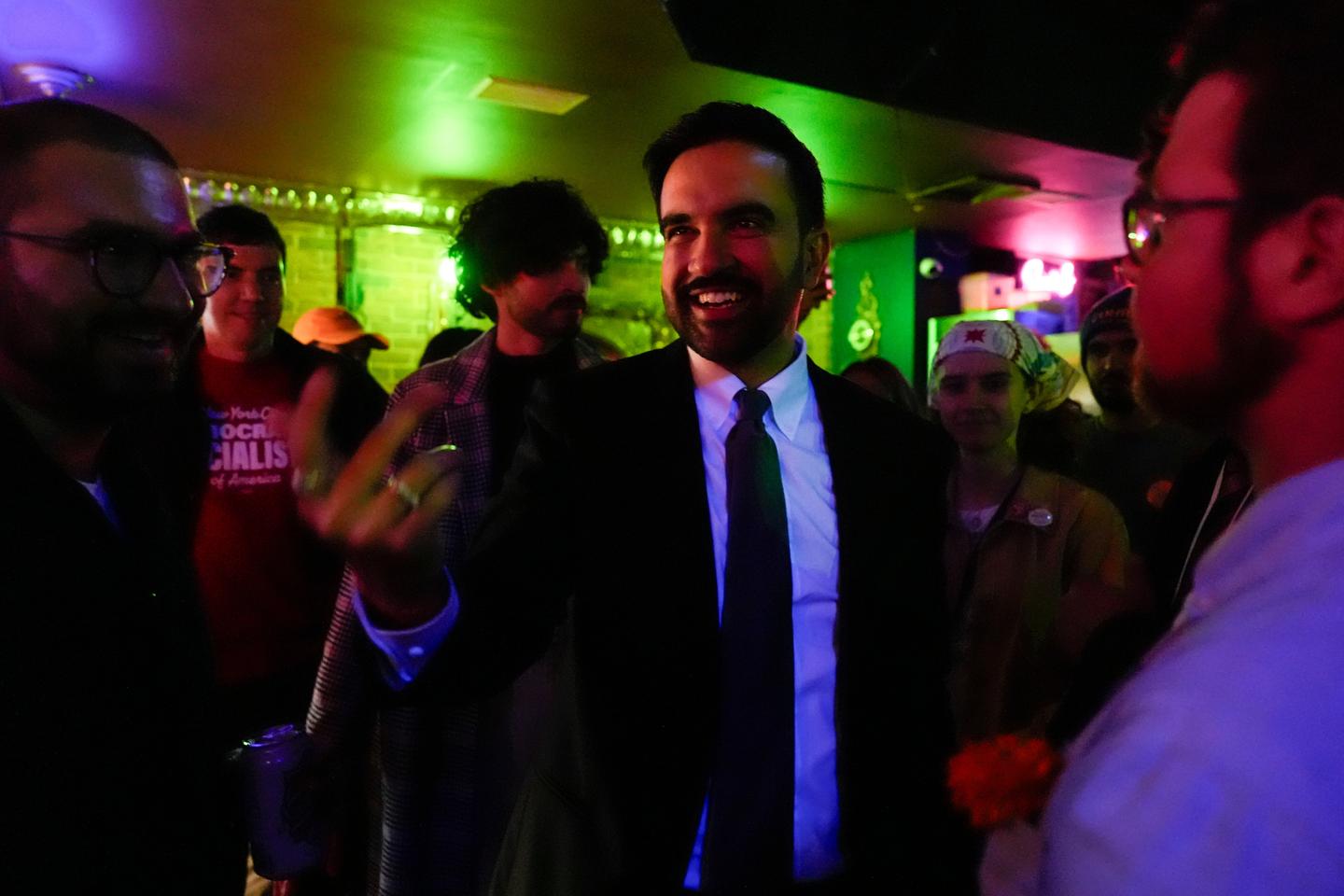
This brings us to Zohran Mamdani and Abigail Spanberger. The New York City mayoral favorite and Virginia gubernatorial front-runner both won on November 4 under the same difficult-to-wear colors. The colors are the same, but the politics are not. Mamdani is affiliated with the Democratic Socialists of America and joins the American progressive trio alongside Bernie Sanders and Alexandria Ocasio-Cortez, who draw enthusiastic crowds.