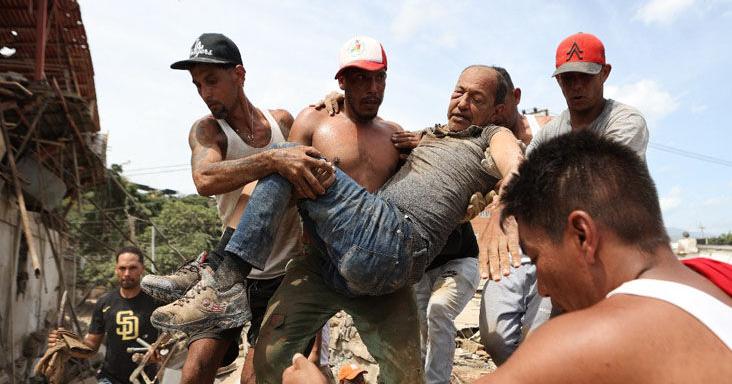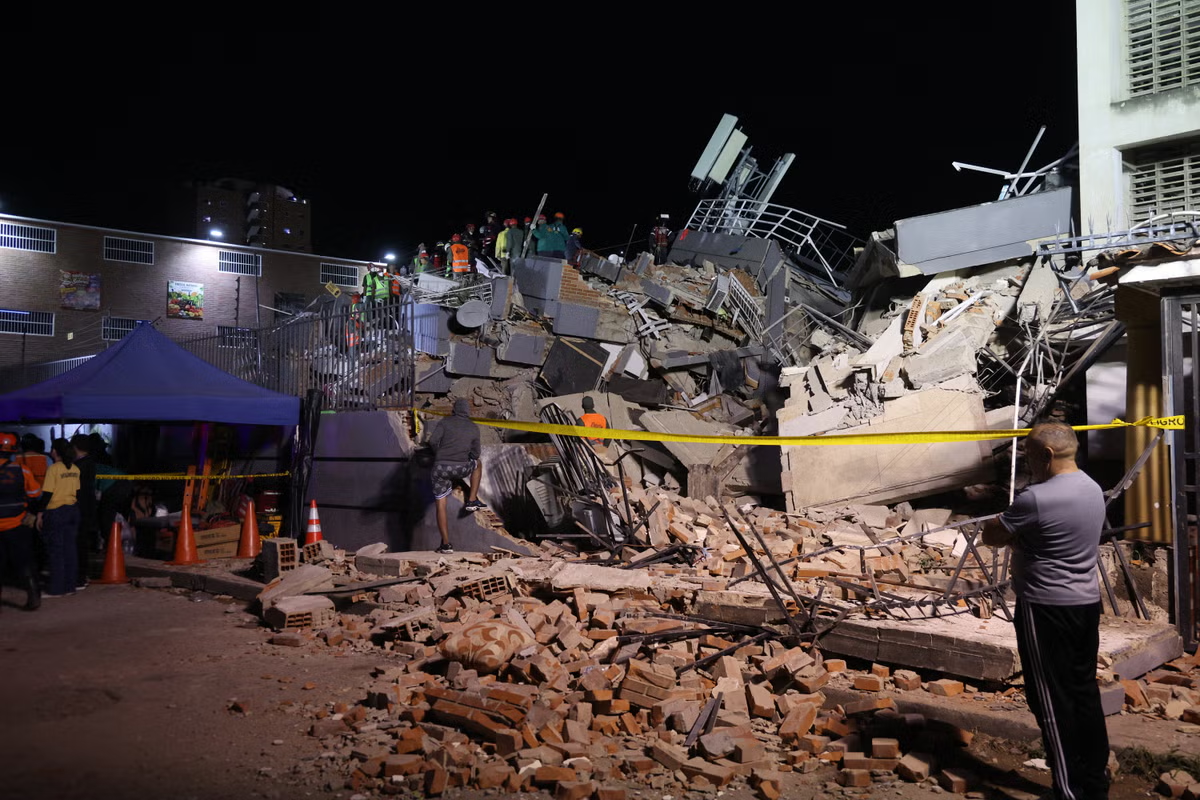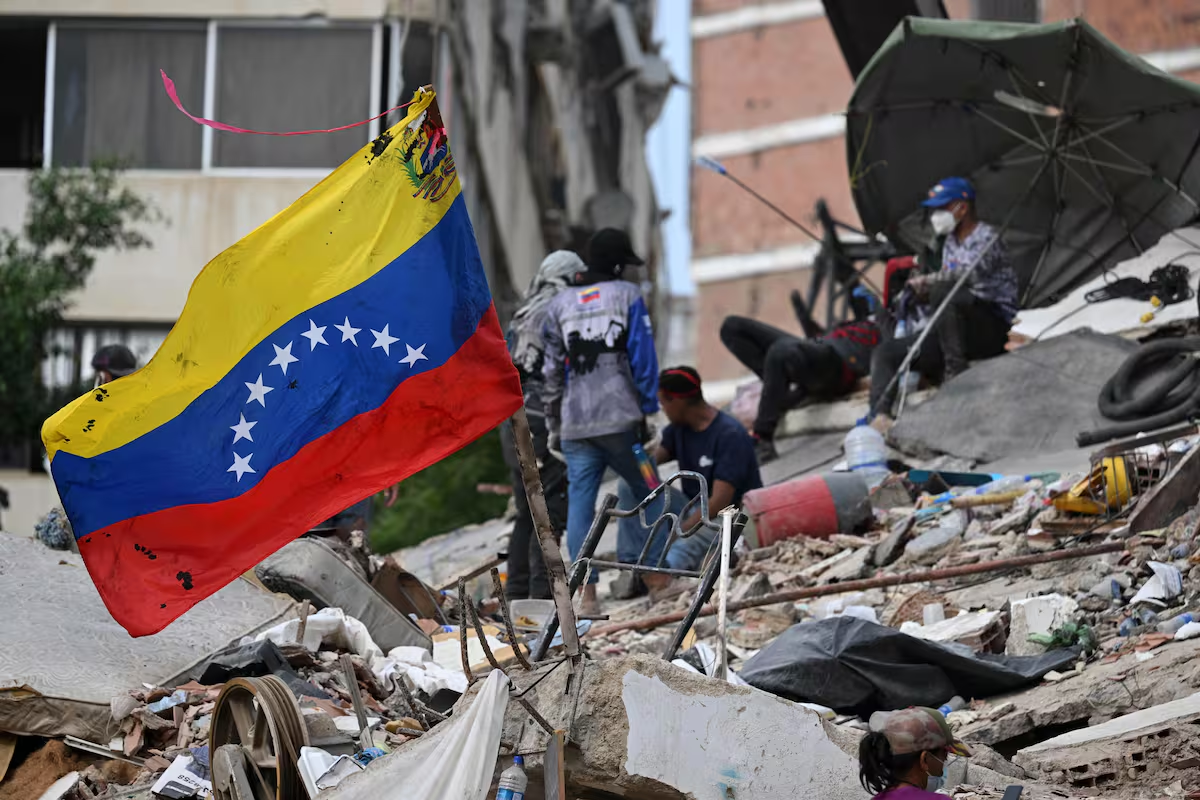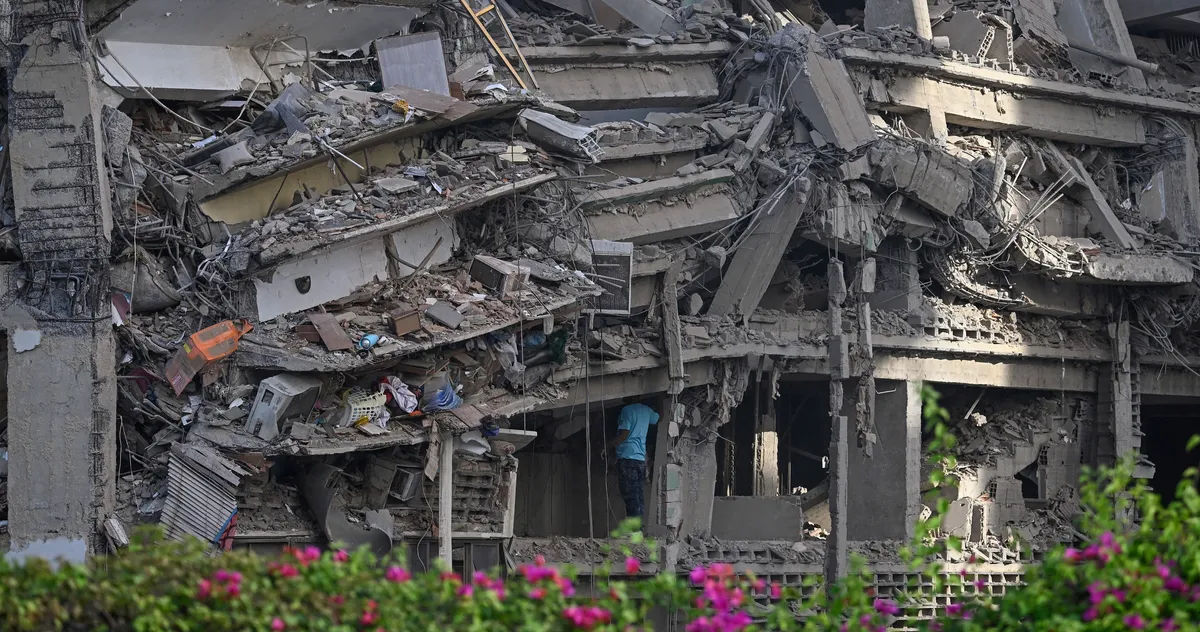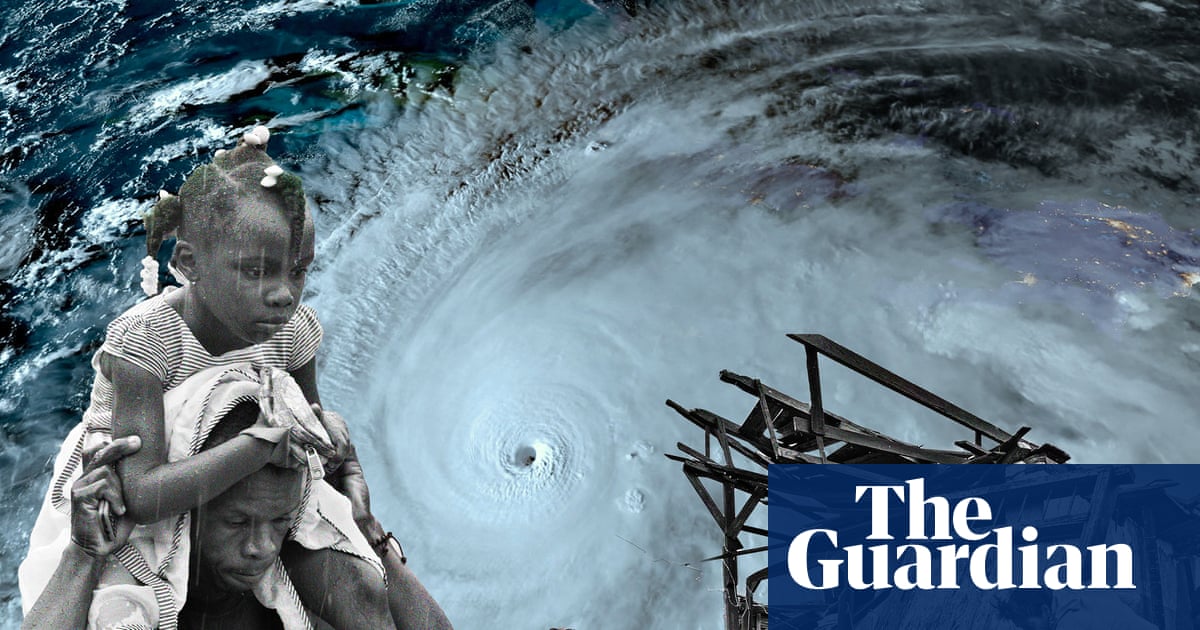
The category 5 storm has wreaked havoc in the region, as those affected now reckon with damaged livelihoods and the cost of rebuilding
Don’t get The Long Wave delivered to your inbox? Sign up here
I
t has been one week since Hurricane Melissa made landfall. The storm’s strength has been record-breaking. To better understand the situation on the ground, I called up Natricia Duncan, the Guardian’s Caribbean correspondent, who is based in Jamaica, the country most affected. We spoke about the impact of the hurricane, and how people navigate living under constant climate precariousness.
Hurricane Melissa was a historic climate event. “This country has faced some difficult storms,” Natricia said, “but by all accounts this was different. I spoke to people in their 60s and they said to me, again and again, ‘I have never heard anything like this in my life’.” Last week, Natricia visited one of the most affected areas in the south-west of Jamaica. “It’s hard to put into words,” she said about what she saw. “It’s hard to do justice to the damage that I saw on the way to St Elizabeth. The area was cut off from the rest of Jamaica due to landslides, flooding, debris.” As she was driving through a river, she realised it was actually not a body of water but flooding. “Almost every single building had suffered some level of damage,” she said. “People were telling us there used to be a shop here or a restaurant there and now there is nothing, not even evidence” that these places existed. Residents told her they don’t know where the structures went, other than “probably in the ocean”.