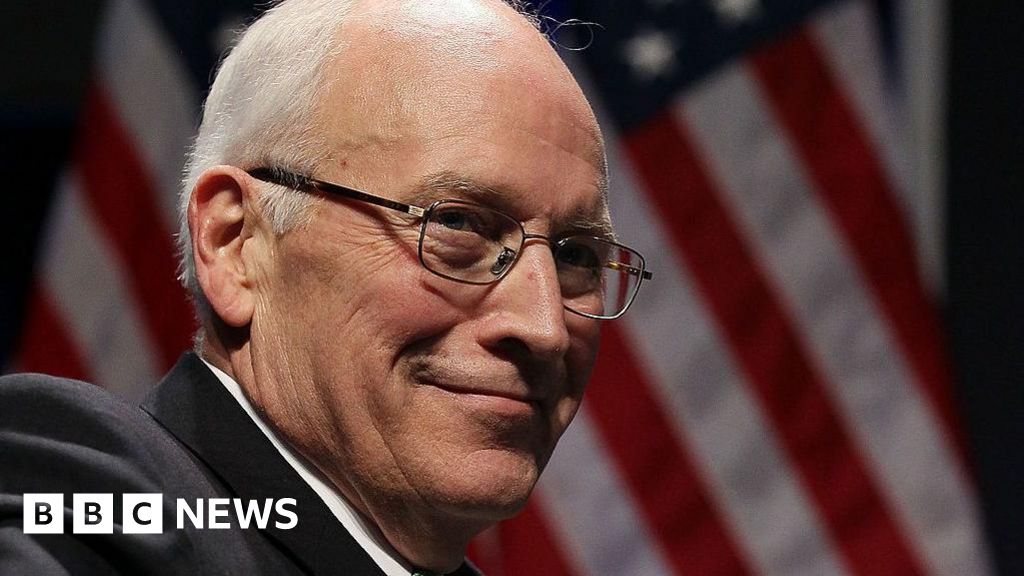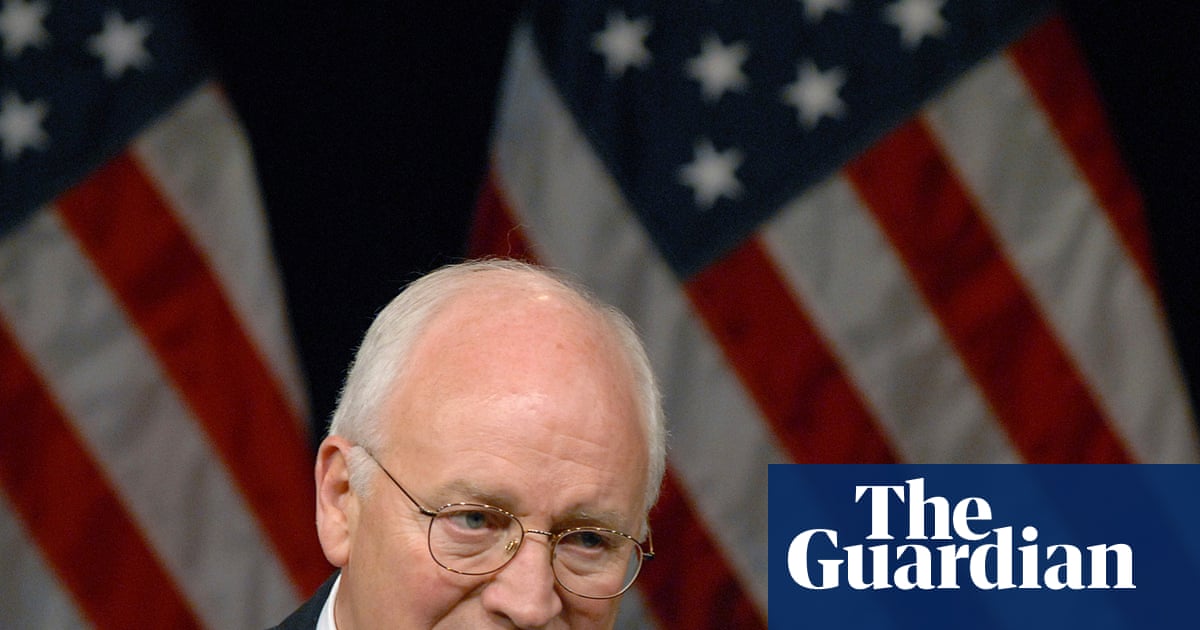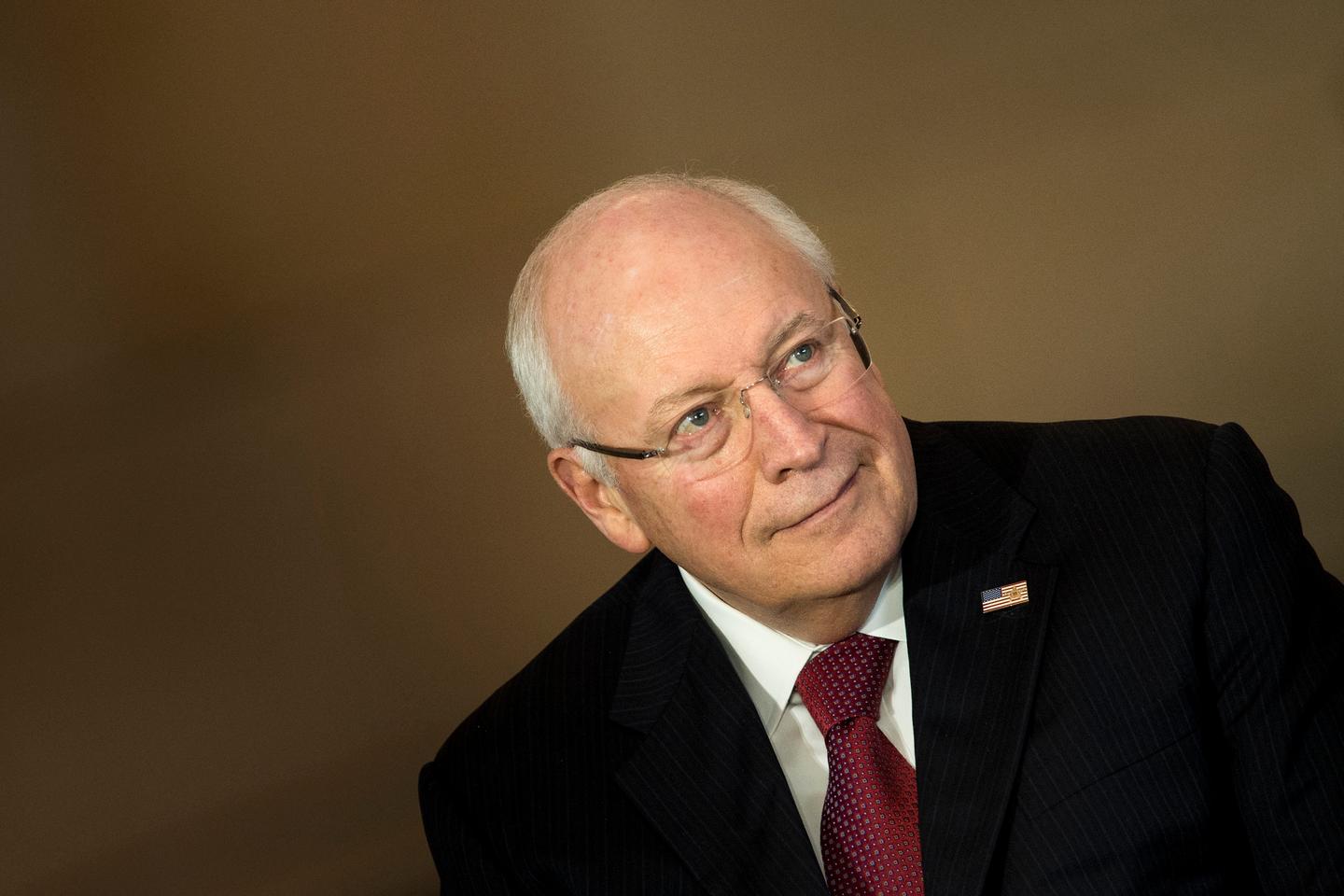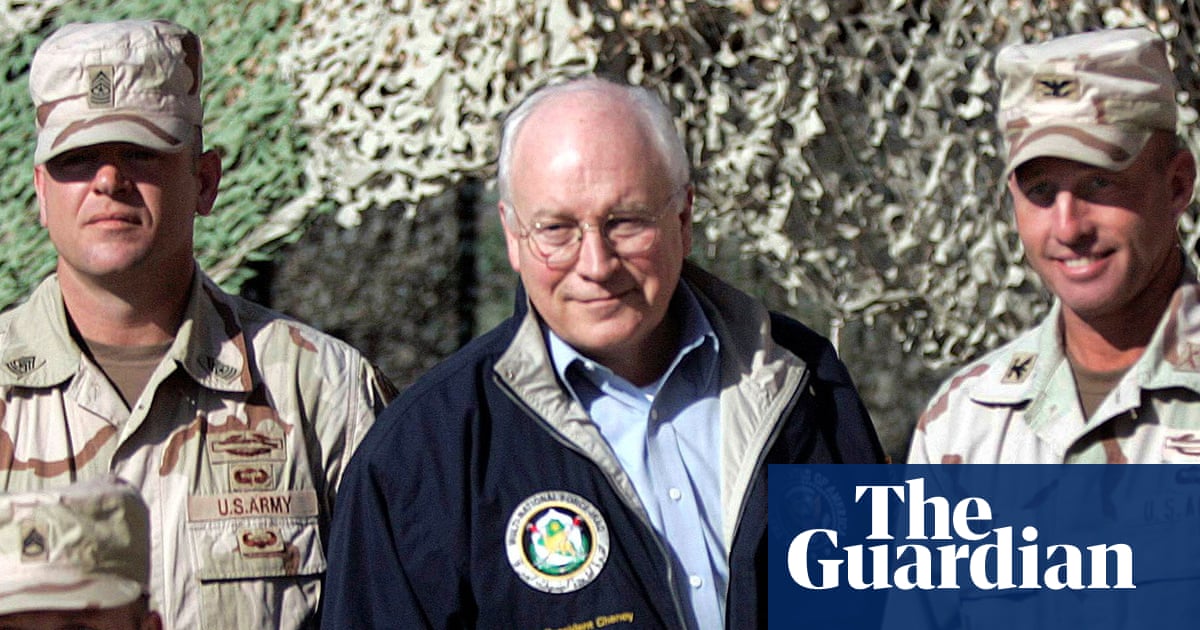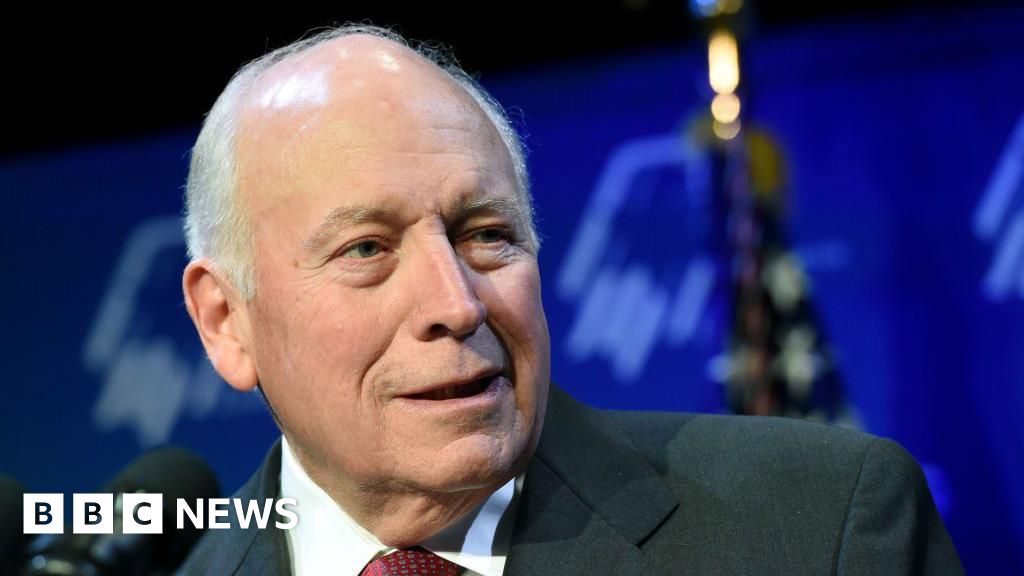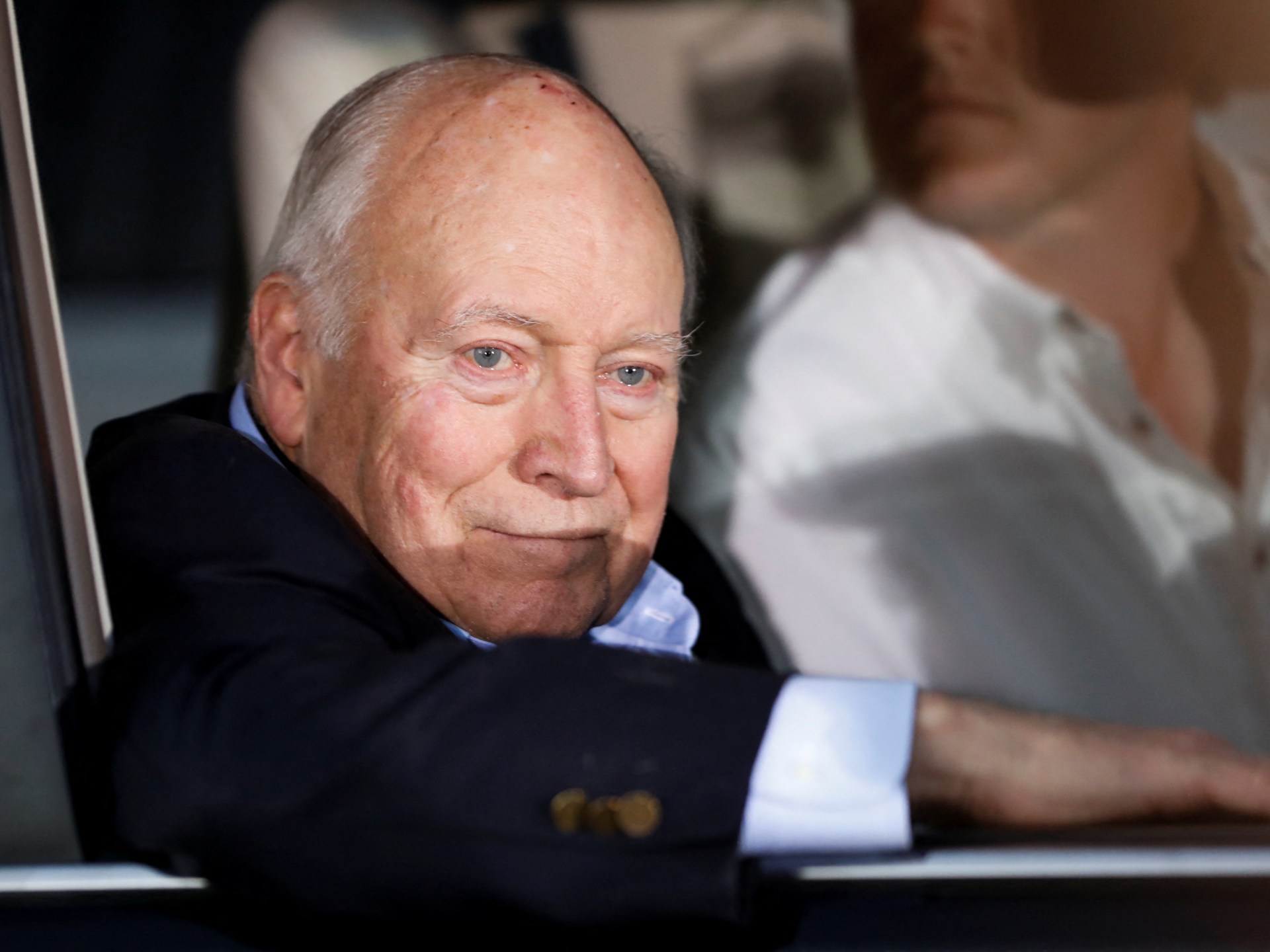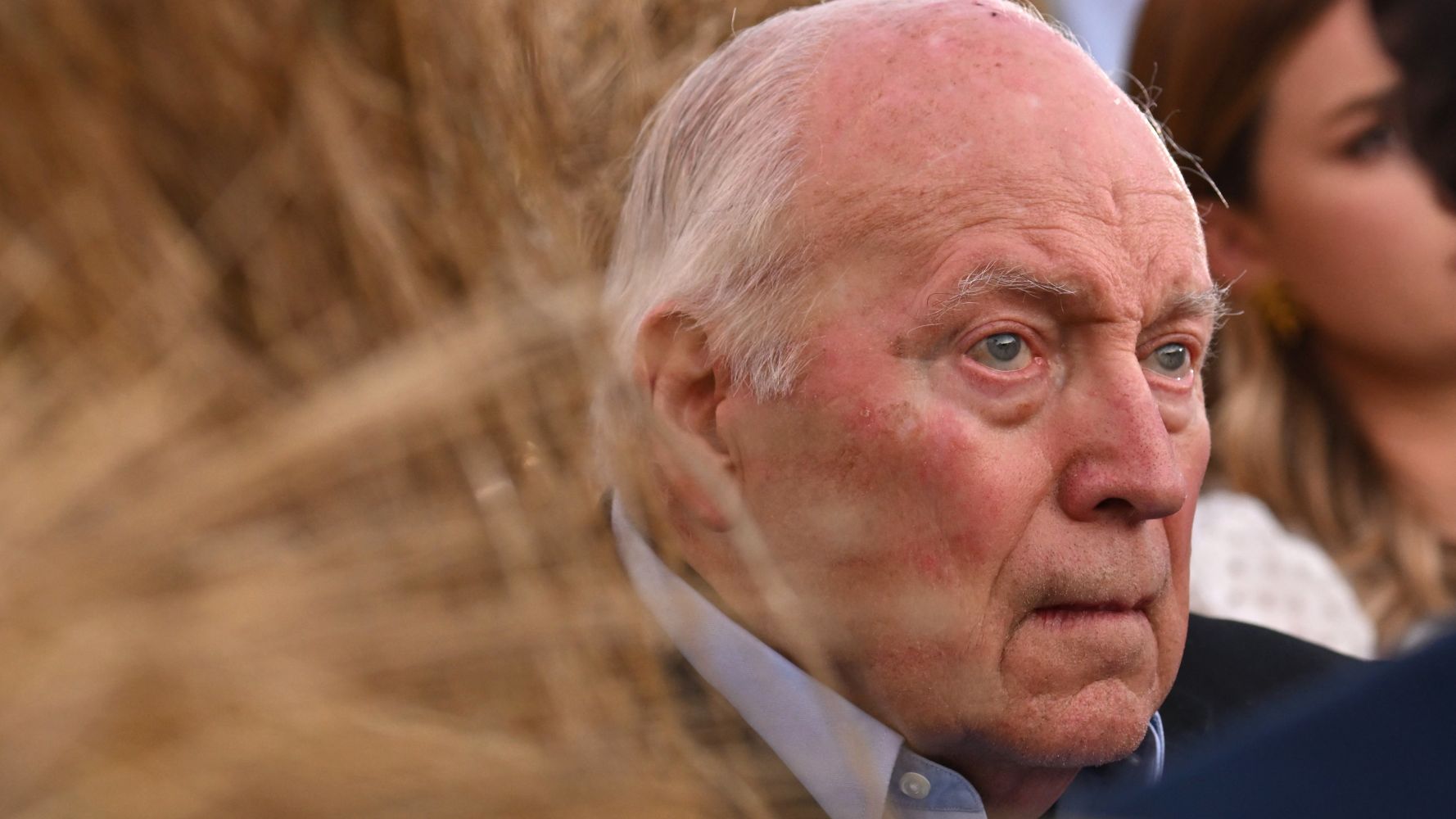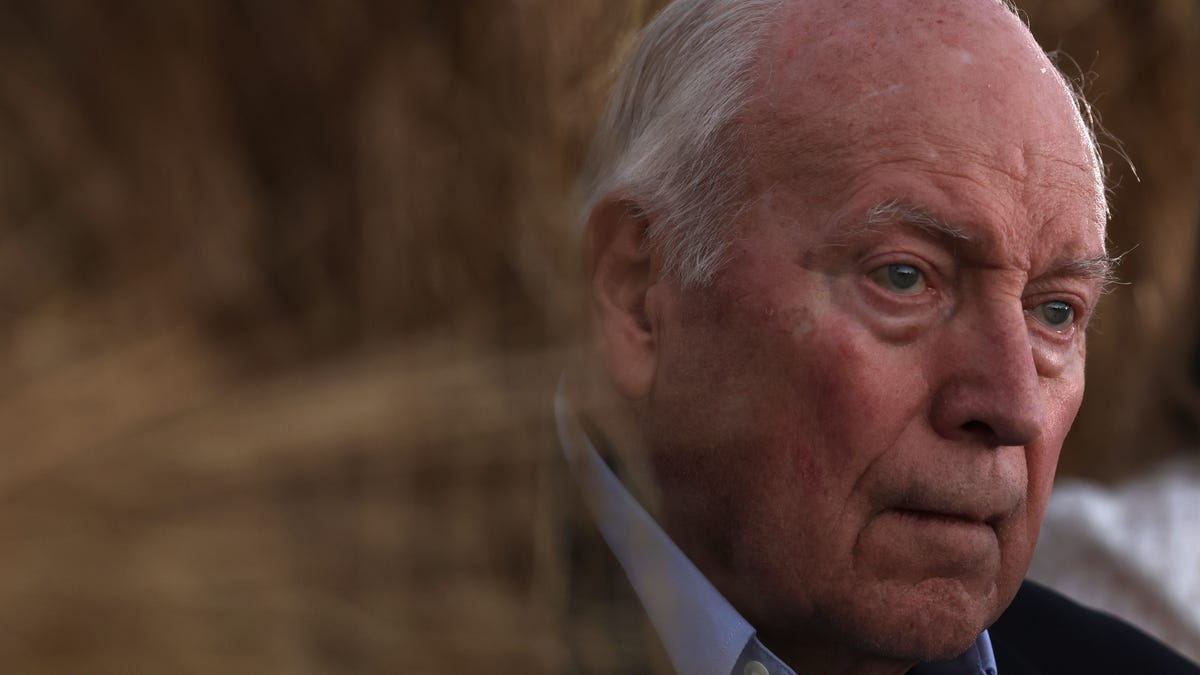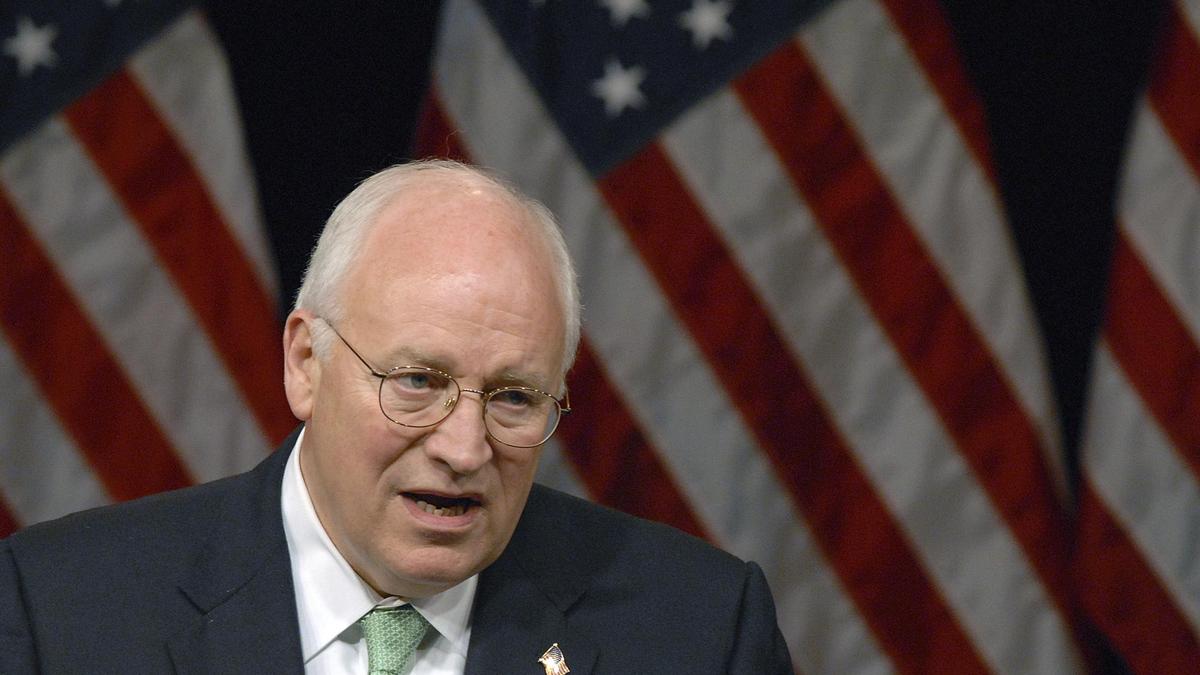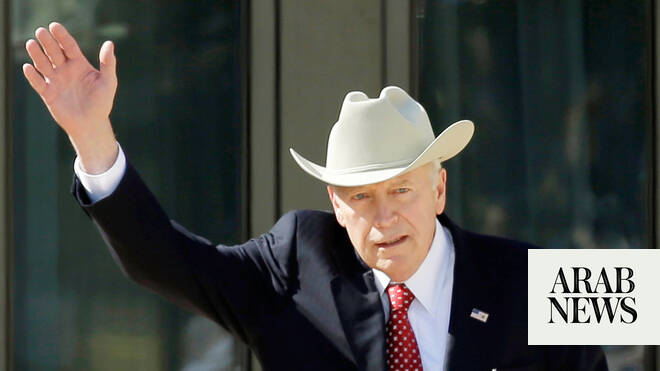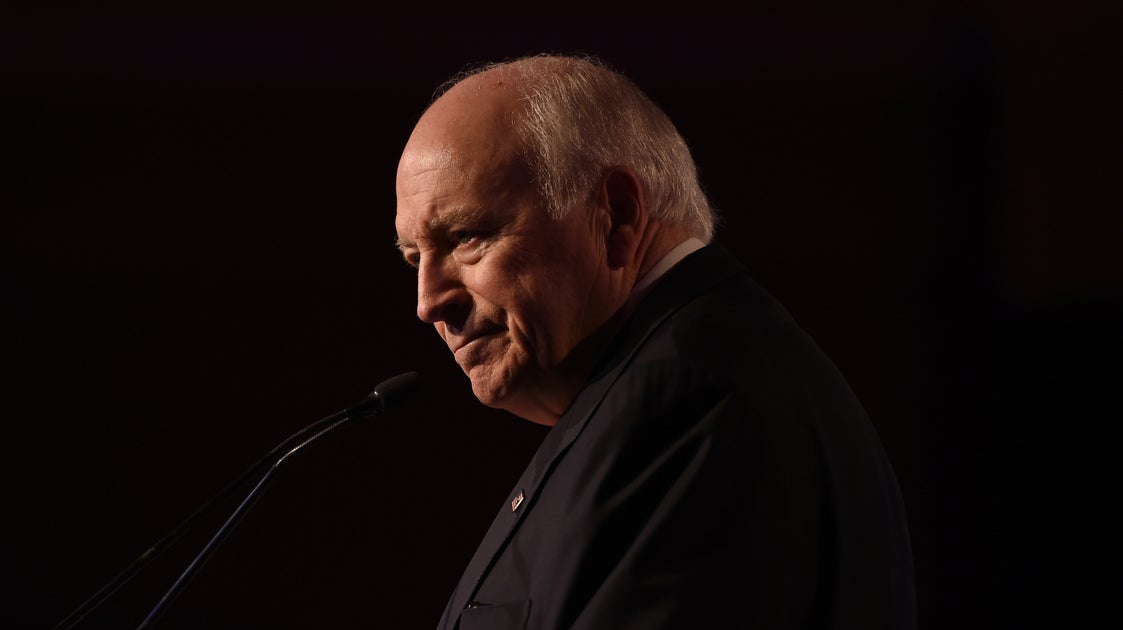
Few political figures over the past 50 years paved the way for the country’s current crisis more than former Vice President Dick Cheney, who died on Tuesday at the age of 84.
As George W. Bush’s vice president from 2001 to 2009, Cheney promoted the unitary executive theory to consolidate power in the presidency, advocated for abuses of international and U.S. law in the global war on terror, including the use of torture on detainees, and pushed a unilateral foreign policy to invade Iraq that sidelined allies and ultimately upended the entire global order.
Cheney lived long enough to see his vision fulfilled, with a unitary executive operating above and outside of the law and a U.S. foreign policy unconstrained by alliances and humanitarian laws coming to fruition in the form of President Donald Trump’s second administration. In the end, Cheney came to oppose the monster he created. After endorsing Trump in 2016, Cheney turned away from him after the Jan. 6, 2021, insurrection and endorsed Democratic Vice President Kamala Harris over Trump in 2024.
This end-of-life reconsideration, however, does not undo his life’s work.
Born in Lincoln, Nebraska, in 1941, Cheney lived there until his teens when his family moved to Caspar, Wyoming. After briefly attending Yale University and dropping out, Cheney moved back to Wyoming where he attended the University of Wyoming and married his high school sweetheart, Lynne (Vincent) Cheney. Despite being of age for military service, Cheney received five deferments to avoid the Vietnam War draft. “I had other priorities in the ’60s than military service,” he would later say. Instead, he went to Washington as an up-and-coming Republican operative, taking a job as a congressional intern in 1969 before moving to the Nixon White House to work under Donald Rumsfeld in the Office of Economic Opportunity. Cheney would leave for the private sector after Nixon’s reelection in 1972.