Welcome to Eye on AI, with AI reporter Sharon Goldman in for Jeremy Kahn, who is traveling. In this edition…a new open-source AI platform helps nonprofits and public agencies track a changing planet…Getty Images narrowly wins, but mostly loses in landmark UK lawsuit against Stability AI’s image generator…Anthropic is projecting $70 billion in revenue…China offers tech giants cheap power to boost domestic AI chips...Amazon employees push back on company’s AI expansion.
I’m excited to share an “AI for good” story in today’s Eye on AI: Imagine if conservation groups, scientists, and local governments could easily use AI to take on challenges like deforestation, crop failure, or wildfire risk, with no AI expertise at all.
Until now, that’s been out of reach—requiring enormous, inaccessible datasets, major budgets, and specialized AI know-how that most nonprofits and public agencies lack. Platforms like Google Earth AI, released earlier this year, and other proprietary systems have shown what’s possible when you combine satellite data with AI, but those are closed systems that require access to cloud infrastructure and developer know-how.
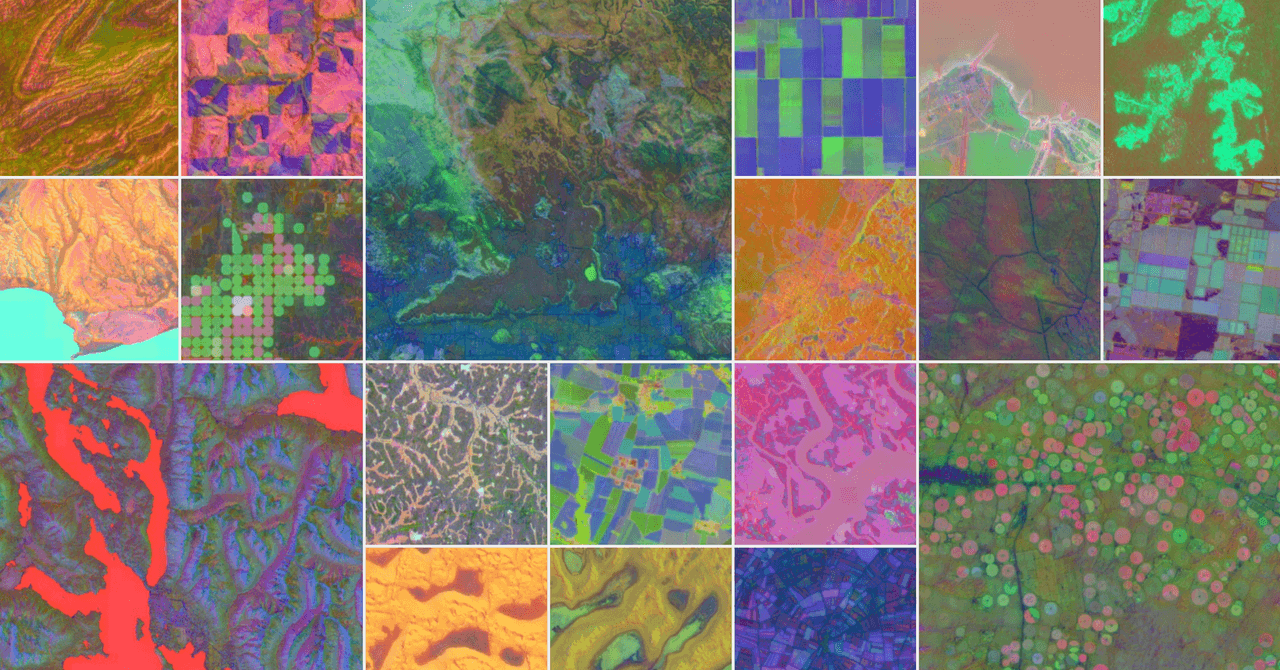
That’s now changing with OlmoEarth, a new open-source, no-code platform that runs powerful AI models trained on millions of Earth observations—from satellites, radar, and environmental sensors, including open data from NASA, NOAA, and the European Space Agency—to analyze and predict planetary changes in real time. It was developed by Ai2, the Allen Institute for AI, a Seattle-based nonprofit research lab founded in 2014 by the late Microsoft co-founder Paul Allen.