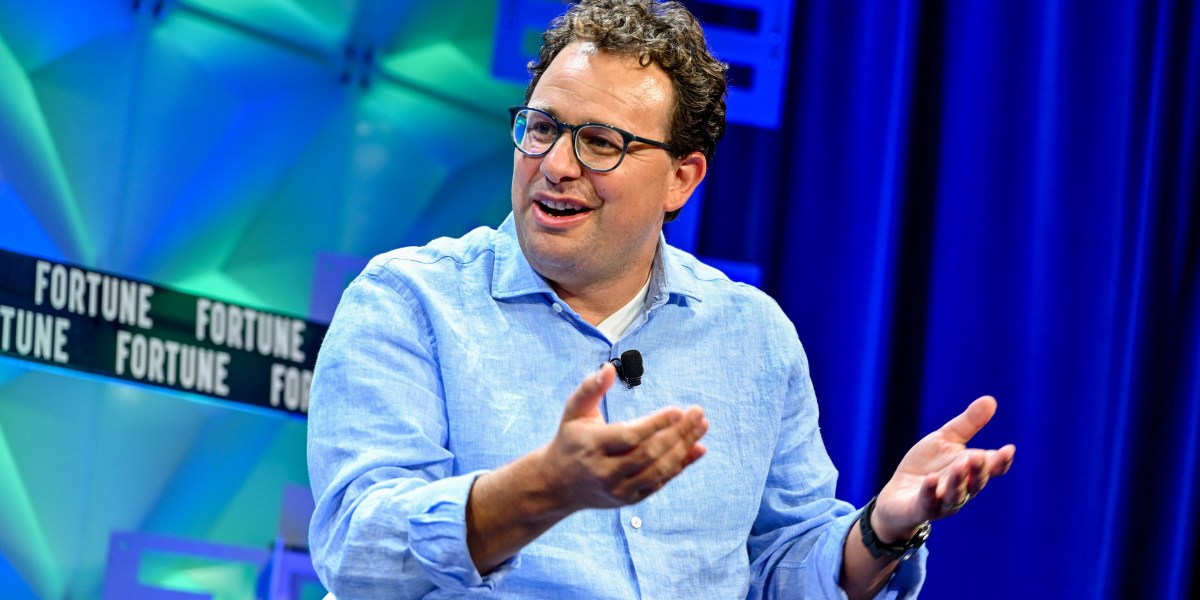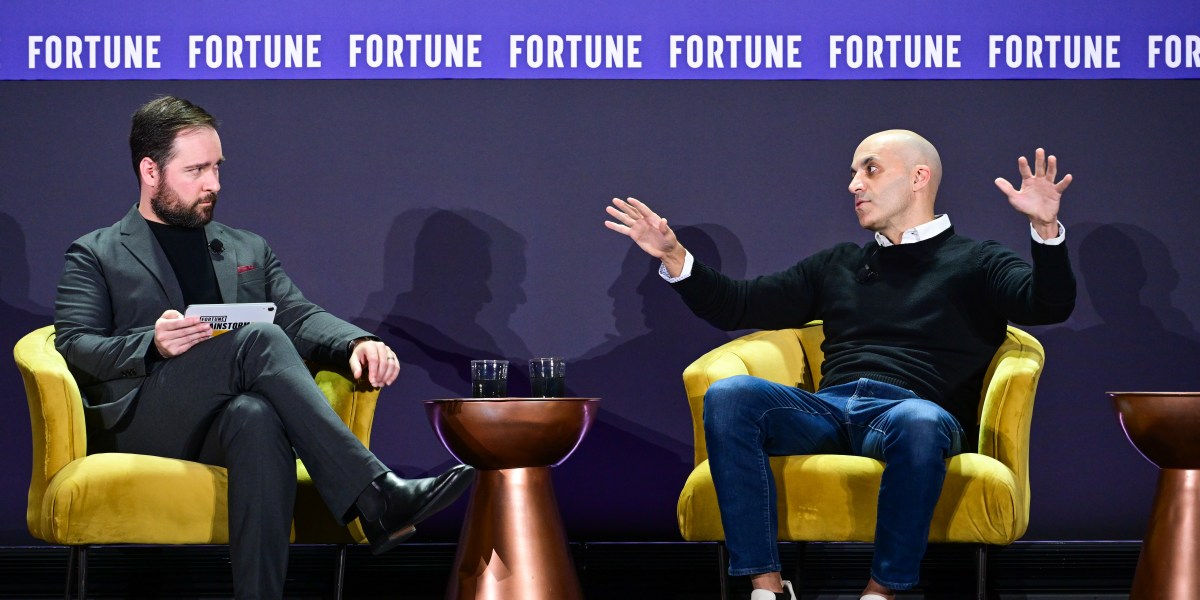
Ritankar Das wants the holding company to make its comeback.
“For the 20th century and for much of human history, [holding companies] were how things worked,” said Das, founder of AI-focused holding company Titan Holdings. “That’s how you got your railroads to work, in conjunction with other types of industries that were adjacent.” While such conglomerates exist today (like Koch Industries or Danaher), you don’t necessarily see new ones being formed, Das adds.
However one feels about Koch or the “robber barons,” it struck me that Das has a point: In the thousands of pitches I’ve received, I don’t know if anyone has ever come to me saying “here’s my new holding company.” However, a holding company—a business structure whose purpose it is to hold interests in other businesses—is a model with vaunted history, pioneered in the 1800s by John D. Rockefeller and, I would argue, perfected in modern times by Warren Buffett’s Berkshire Hathaway. It’s a model, notably, that can link to venture capital, but doesn’t inherently rely upon it.
There are holding companies in tech (take Alphabet, for instance) and Das believes a holding company can particularly work in AI, where it can be helpful to transfer insights and knowledge across domains. One example Das points to: Tesla’s experience manufacturing, he points out, has been helping Elon Musk’s xAI build its data centers.