S
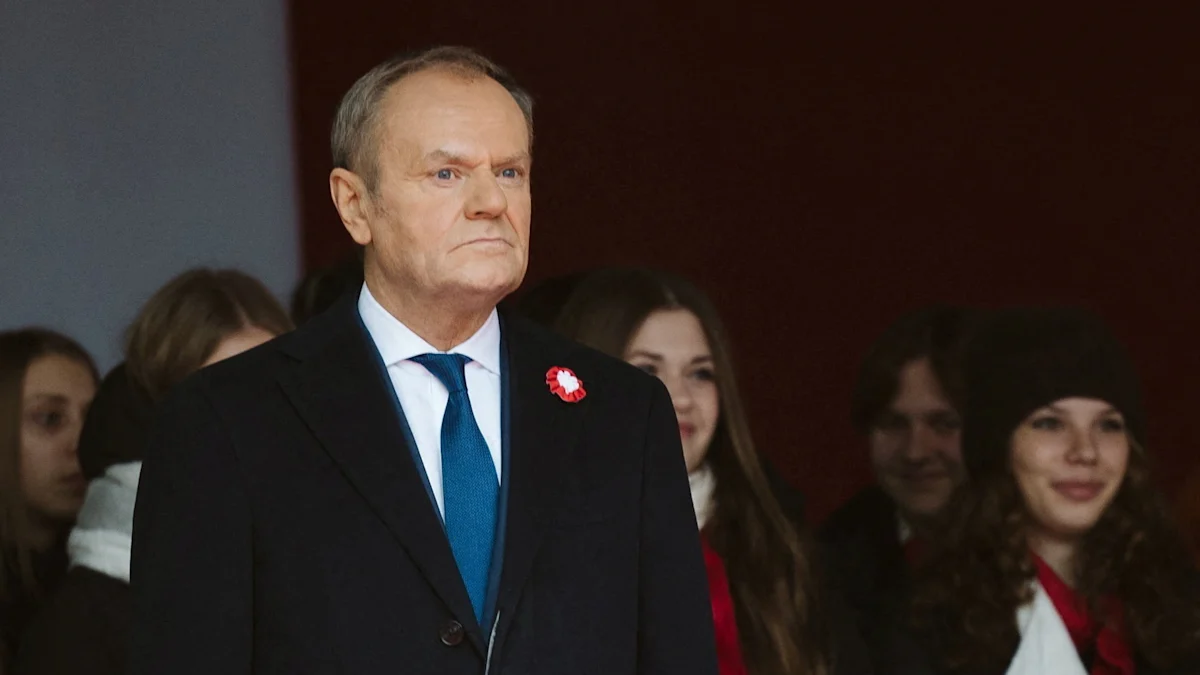
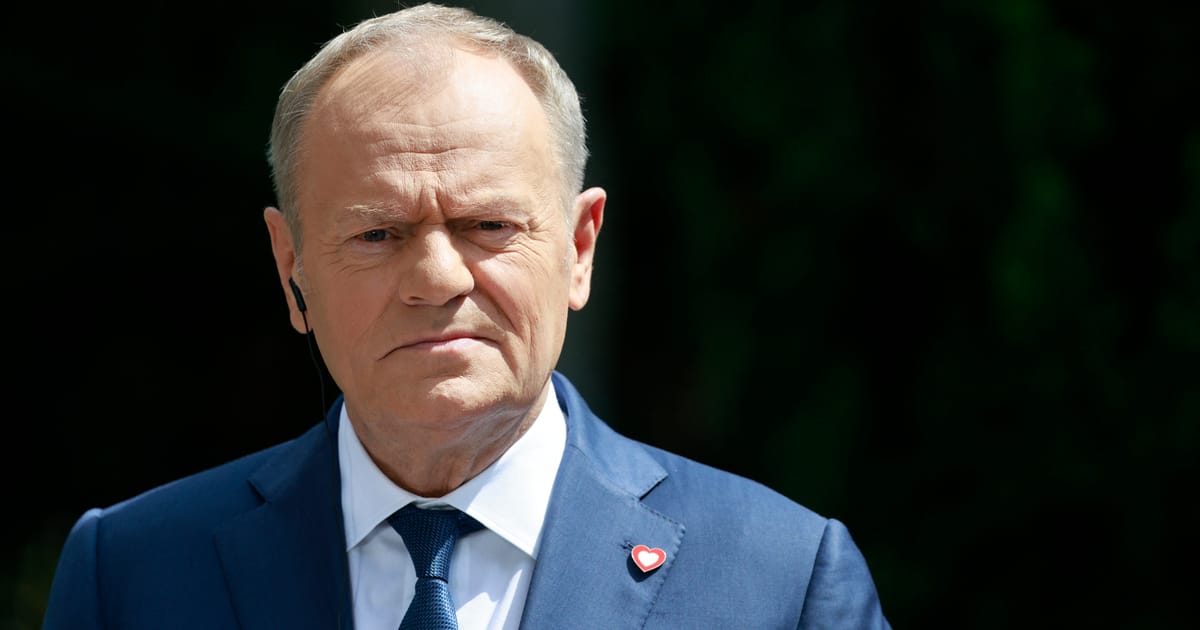
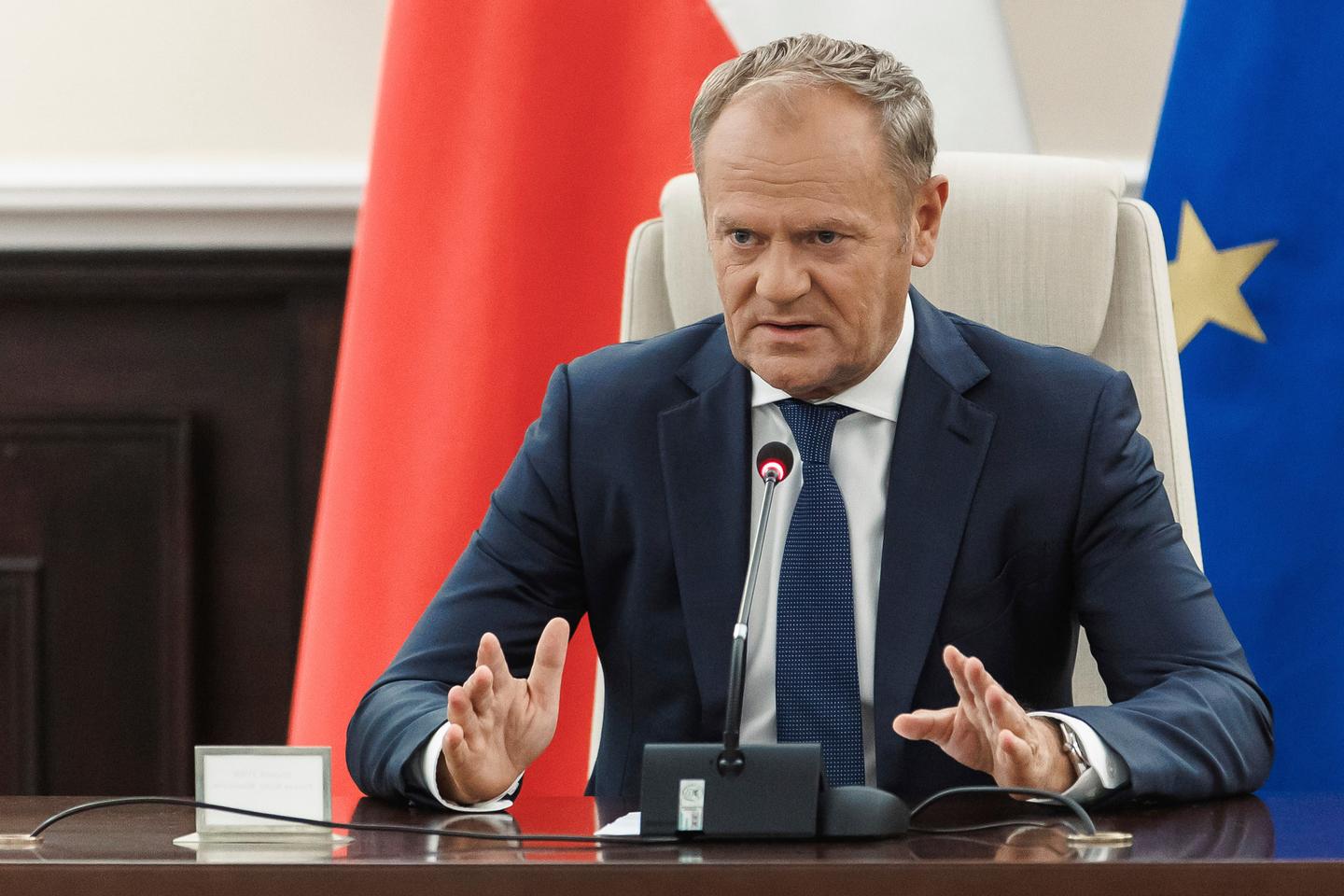
ome anniversaries of hopeful events carry a bitter aftertaste. The anniversary of Poland's "liberal counter-revolution" in the parliamentary elections of October 15, 2023 – meant to push back the populist tide in the country – is one of them. With record voter turnout, Poles handed power to a coalition composed of groups ranging from the left to the conservative agrarians, led by Civic Platform, the party of former prime minister and former president of the European Council Donald Tusk.
After eight years under Jaroslaw Kaczynski's nationalist Law and Justice (PiS) party, which had largely locked down the country's institutions, this victory was seen as a kind of "democratic miracle" and as a "return to normality" – not only in Poland but across a Europe facing a surge in populism.
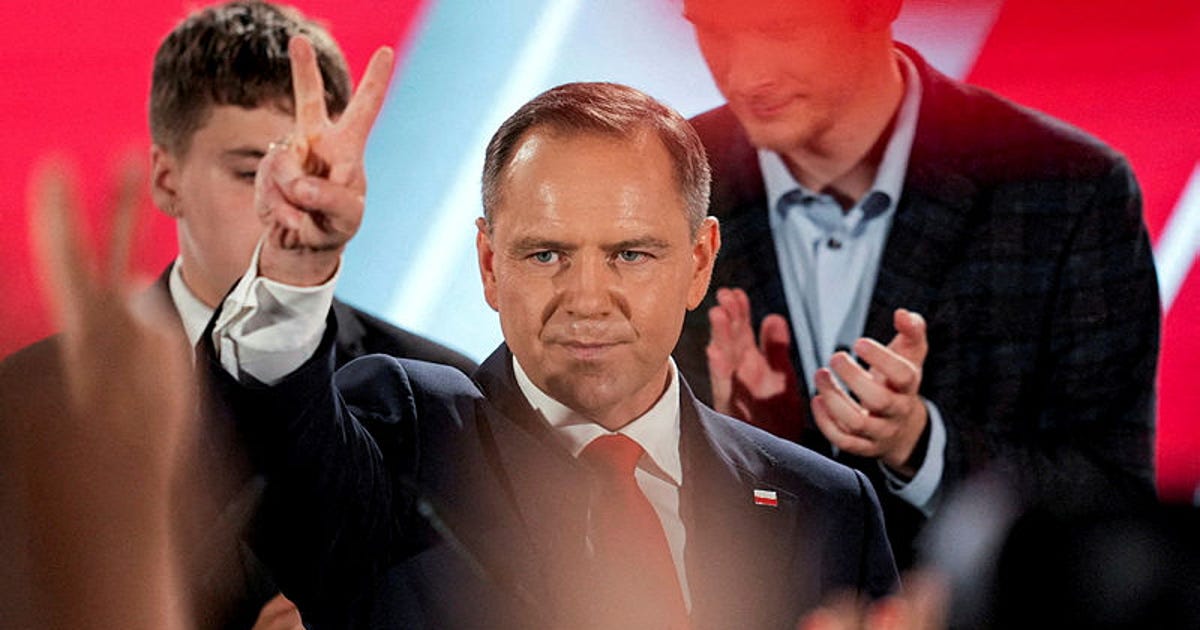
Two years on, at mid-term, the sense of disillusionment is overwhelming. The victory of PiS candidate Karol Nawrocki in the presidential election on June 1 dealt a crushing blow from which the democratic camp has struggled to recover. That camp had expected a win by Warsaw's liberal mayor, Rafal Trzaskowski, which was supposed to end the period of forced cohabitation with President Andrzej Duda and complete the "counter-revolution."