MCALESTER, Okla. — Oklahoma’s top prosecutor wanted to make sure a man who was never proven to have killed anyone would be executed by the state. And so, on a Tuesday afternoon in July, he sent a secret message to a judge, asking for some help. “I have an active investigation issue that I wish to address with you,” Gentner Drummond, the state’s attorney general, began his email.
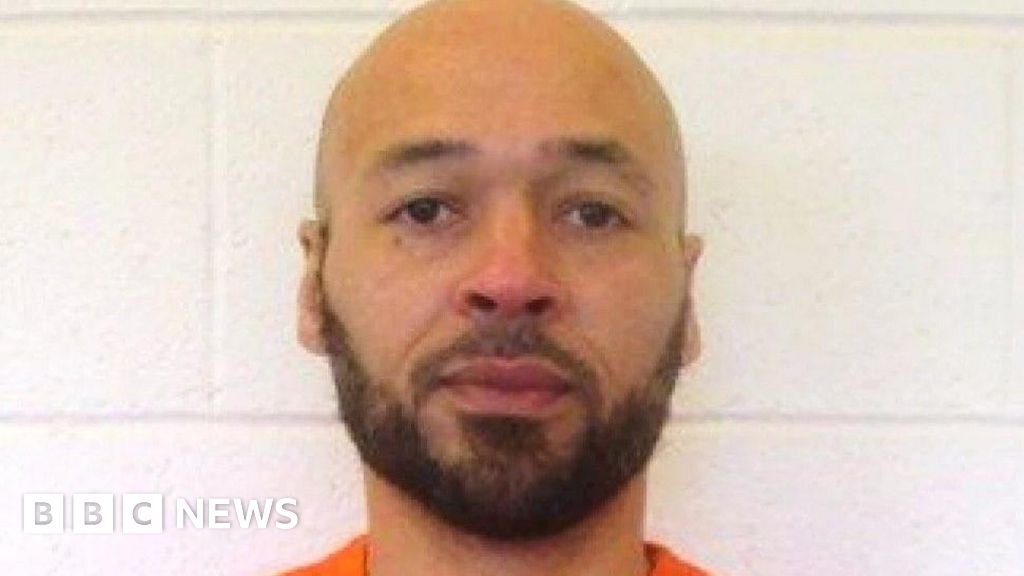
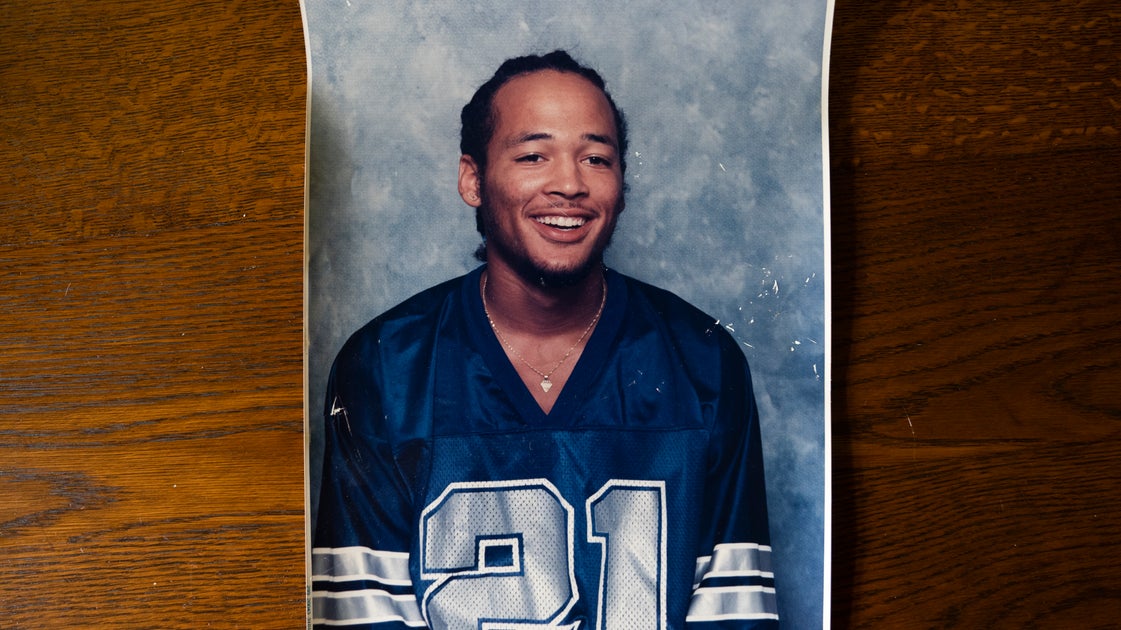
The recipient was Gary Lumpkin, the top judge on Oklahoma’s Criminal Court of Appeals. The subject line misspelled the name of the man on death row, Tremane Wood.
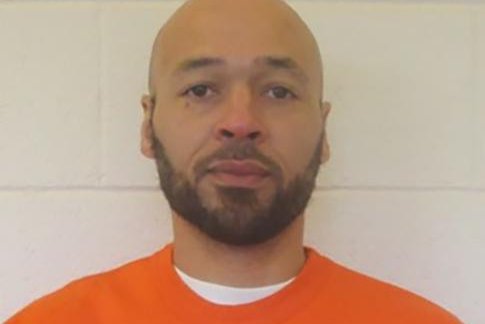
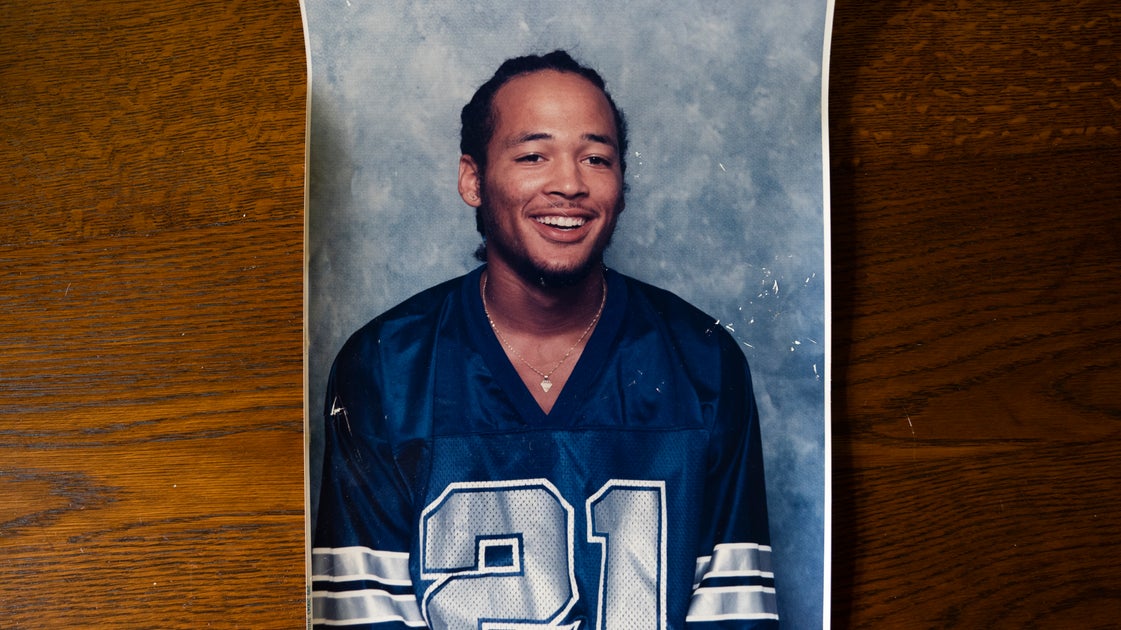
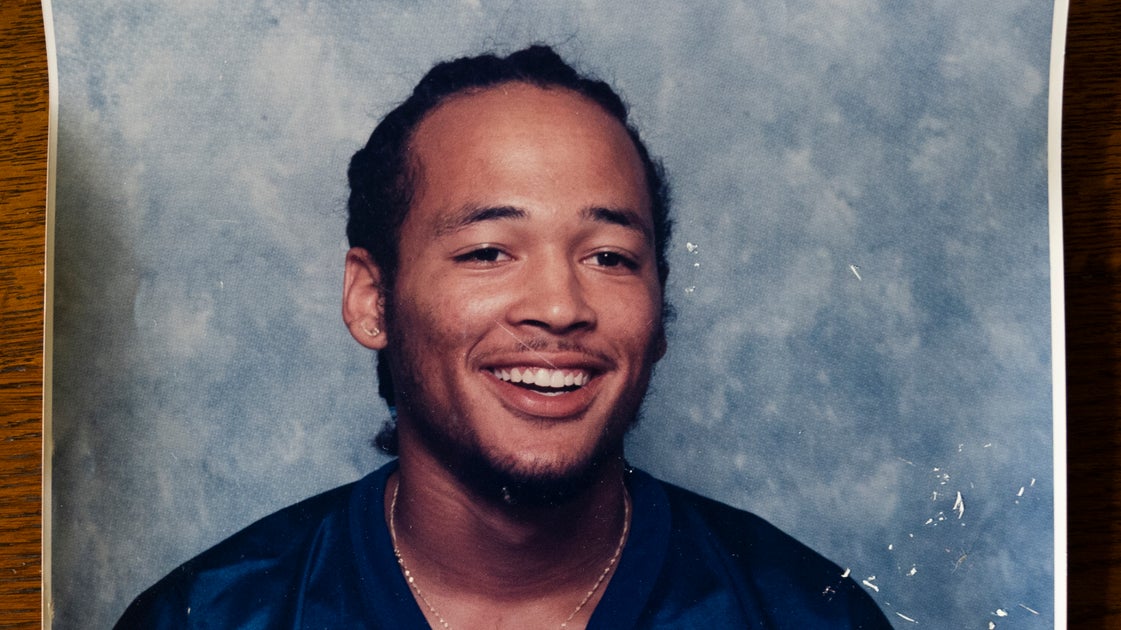
It was a tricky case for Drummond, who had cultivated a reputation as a fair arbiter of capital punishment. The death penalty is supposedly reserved for the “worst-of-the-worst” kind of criminals, but Tremane was never a particularly compelling example. In 2002, Tremane, his older brother and two women were charged with first-degree murder for killing Ronnie Wipf during a botched robbery. Wipf died from a single stab wound, but under the state’s so-called felony murder statute, prosecutors didn’t have to prove who killed him in order to secure murder convictions — only that they each participated in the robbery that led to the death.
Tremane denied stabbing Wipf. He was represented at trial by a lawyer struggling with drug addiction who billed almost no work on the case, and Tremane was sentenced to death. His older brother, who testified that he had killed Wipf, had robust legal representation and received a life sentence. The outcome seemed perverse on its face: The person who admitted to the murder received a more lenient sentence than his little brother, who swore he had never killed anyone.