ByJoshua P. Cohen,
Senior Contributor.
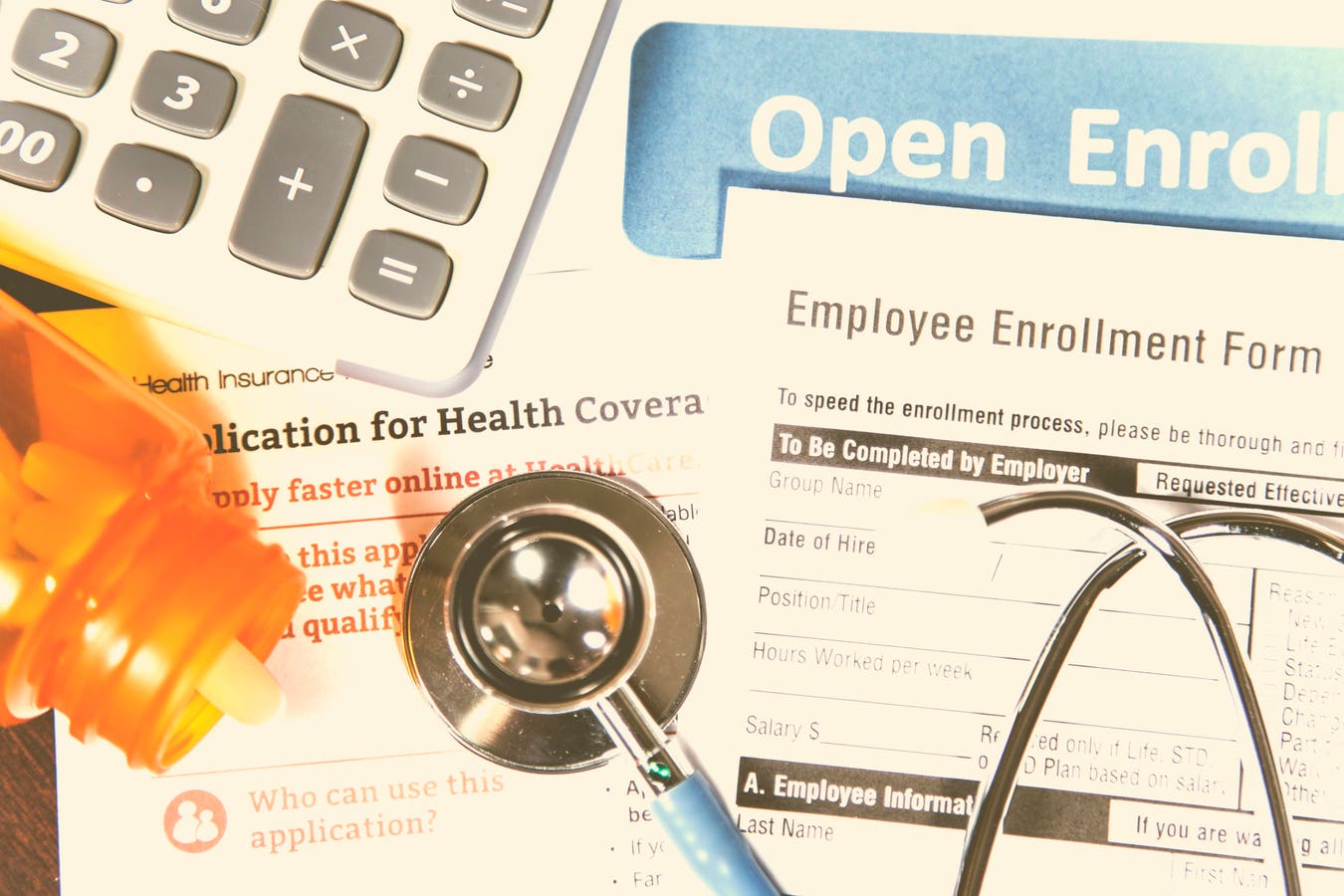
In light of the government shutdown, the media’s focus has been the expiration of the Affordable Care Act subsidies and what to do about them, as well as the financing of Medicaid. But what hasn’t gotten much attention is the fact that federal and state tax systems provide substantial financial benefits for individuals with commercial health insurance. This is particularly the case for the 165 million Americans who get coverage through their employers. Employer-paid health insurance premiums are tax-free for employees and count as a subsidy and a tax expenditure. And employers can typically deduct 100% of the premiums they pay for employee health insurance as a business expense. Whether such government involvement in healthcare markets is necessarily a good thing is a topic of ongoing debate.
The most prevalent form of health insurance coverage in America is subsidized in absolute dollars to a substantially greater extent than Obamacare. The exclusion from income and payroll taxes of employer and employee contributions for employer-sponsored insurance represents the largest tax subsidy in the healthcare market. And as KFF explains, because this isn’t reported to the individuals and families who benefit from it, they might not be aware of the tax exclusions that on average provide them with a subsidy worth several thousands of dollars annually.