ByDavey Winder,
Senior Contributor.
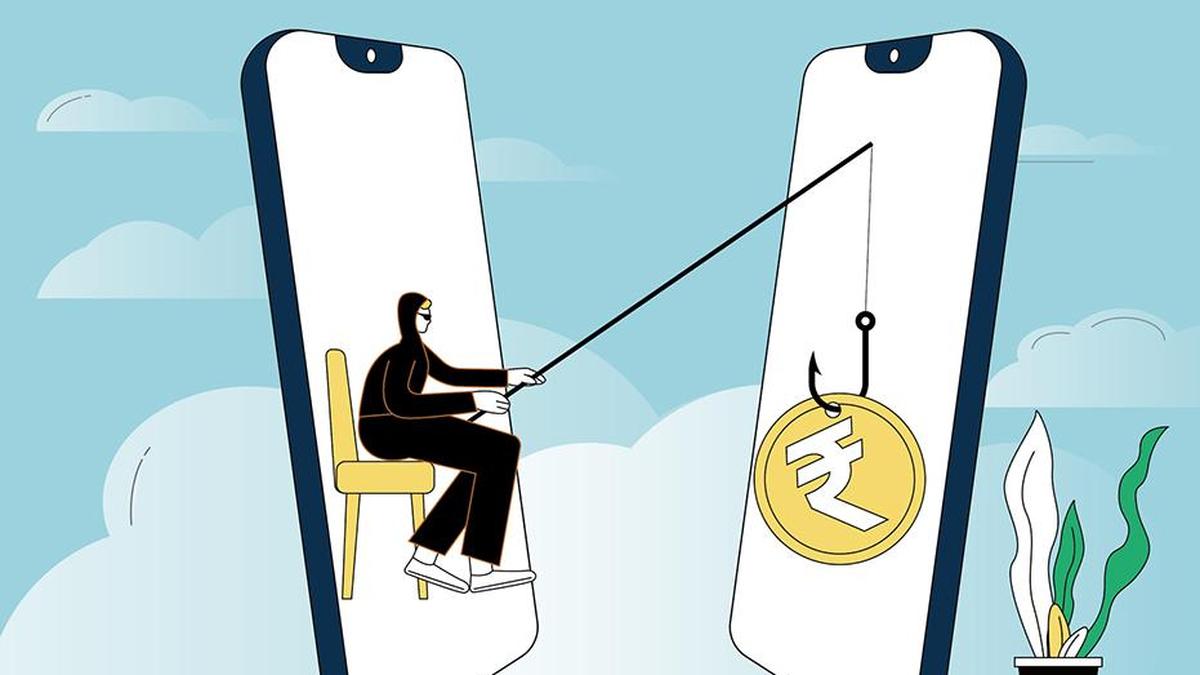
You only have to read the media headlines to appreciate that smartphone users are a prime target for hackers. LinkedIn users have been warned about a new direct message threat, PayPal users told “do not pay, do not phone” as attackers strike, and even Android two-factor authentication codes can be compromised. But while cybercrime is certainly a major security consideration for all smartphone users, what about the physical threat? What if someone actually stole your phone? What would you do then? After all, it still remains at the heart of your life, it still contains all your data, all your contacts and often all your passwords. Typing this one code now could save you a lot of hassle should the worst actually happen. Here’s what you need to know.
Both Apple and Google already have plenty of safeguards in place to protect against the dangers of a stolen smartphone. For iPhone users, Stolen Device Protection is available for devices running iOS 17.3 or later. Rather obviously, you must enable the feature before your iPhone is nicked if you expect to benefit from the feature. If your iPhone ends up away from your usual, familiar locations, then protections such as biometric requirements for accessing passwords or credit cards, and delays applied to changing passwords kick in. As for Android smartphones, a range of theft protections are also available, including Factory Reset Protection to make it harder for a thief to reset your Google account credentials, an identity check based on location similar to that in iOS and requiring biometric authentication, and an AI-powered theft detection lock that shuts down the phone if “motions commonly associated with thefts” are detected such as someone snatching it and running away.