ByKelly Phillips Erb,
Forbes Staff.
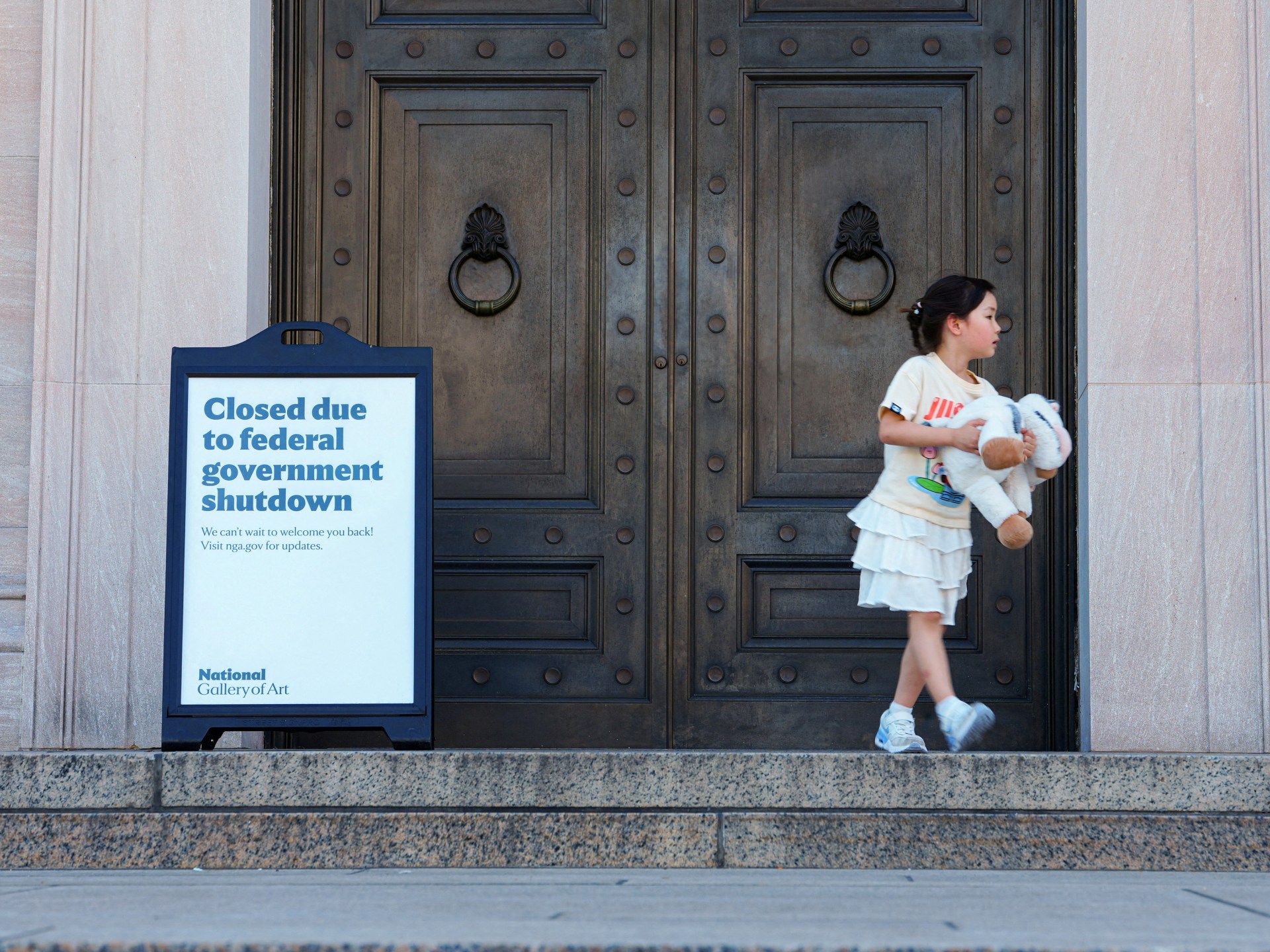
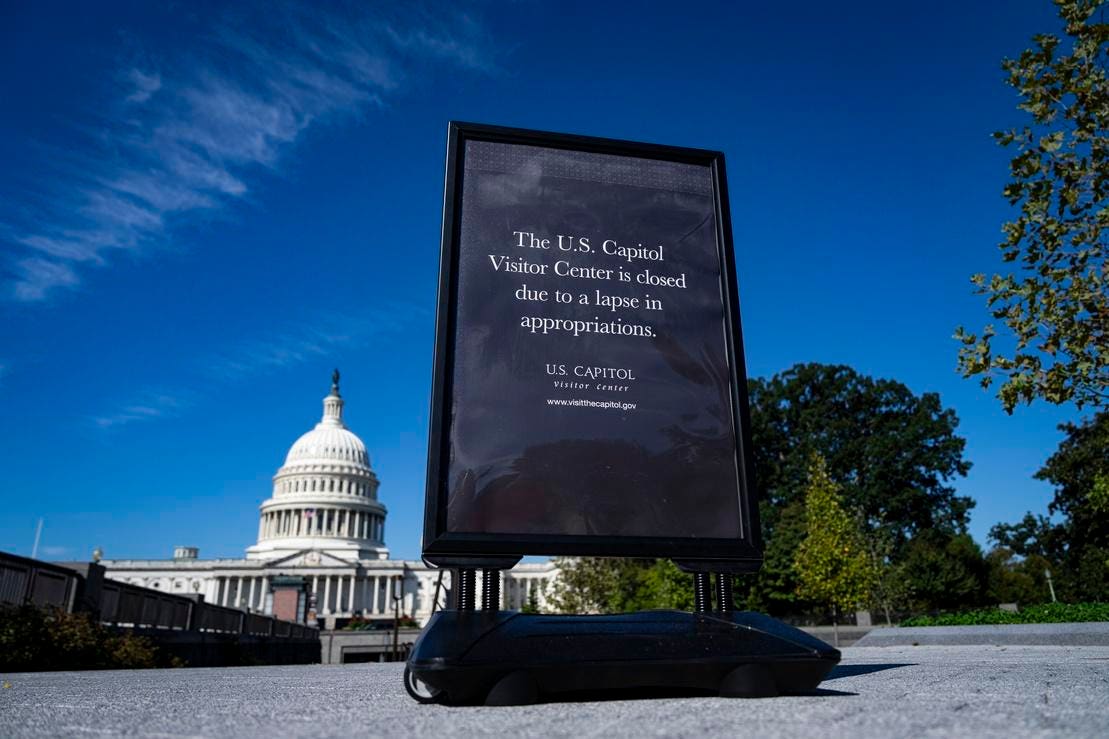
Welcome to November! We’re entering the second month of the government shutdown. For taxpayers and tax professionals alike, that means that IRS operations are limited. Some divisions, like Criminal Investigation, remain open while others, like Taxpayer Assistance Centers (TACs), are closed. You can find a summary of what’s open—and what’s not—at the IRS during the shutdown here.
Fortunately, with the upcoming tax filing season looming, the IRS is continuing to issue guidance—despite the shutdown. Much of the guidance applies to the One Big Beautiful Bill Act (OBBBA) that became law in July.
While the shiny new tax provisions under OBBBA may grab the headlines, many businesses are cheering the restored reporting thresholds for Form 1099-K (for payment card and third-party network transactions). Specifically, OBBBA reinstates the $20,000 and 200-transaction thresholds, retroactive to 2022 (as if the reporting changes under the American Rescue Plan Act of 2021 had never happened). As before, no threshold applies to payment card transactions—payment cards include credit, debit, and stored-value cards, such as gift cards, which must all be reported. To help taxpayers understand how OBBBA impacts Form 1099-K, the IRS has issued FAQs.