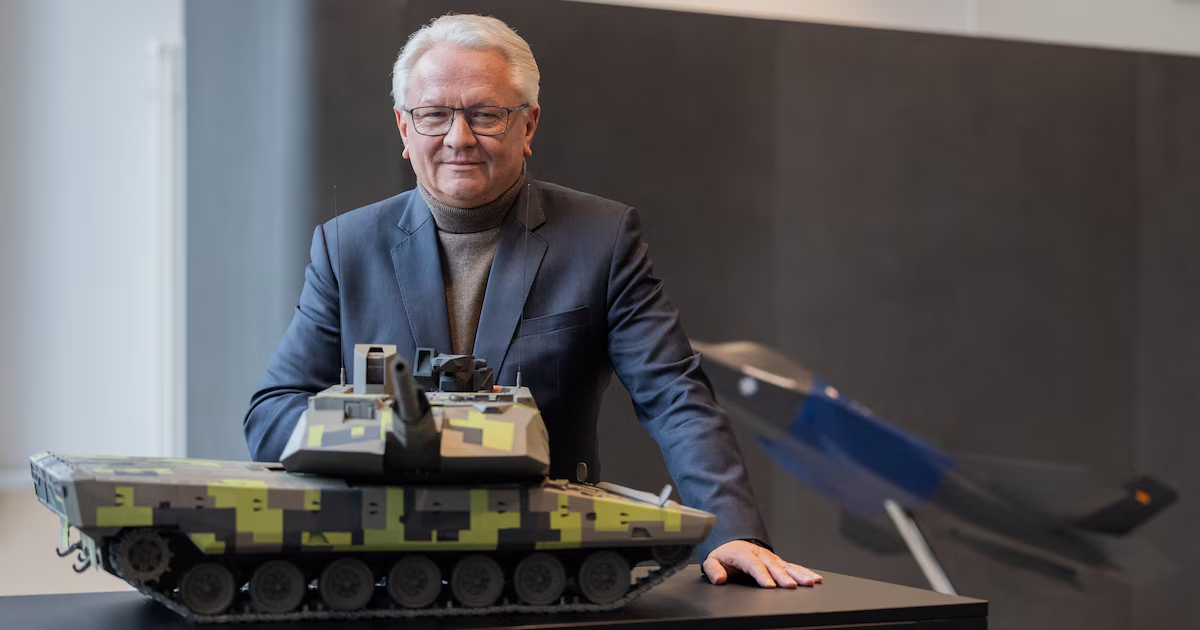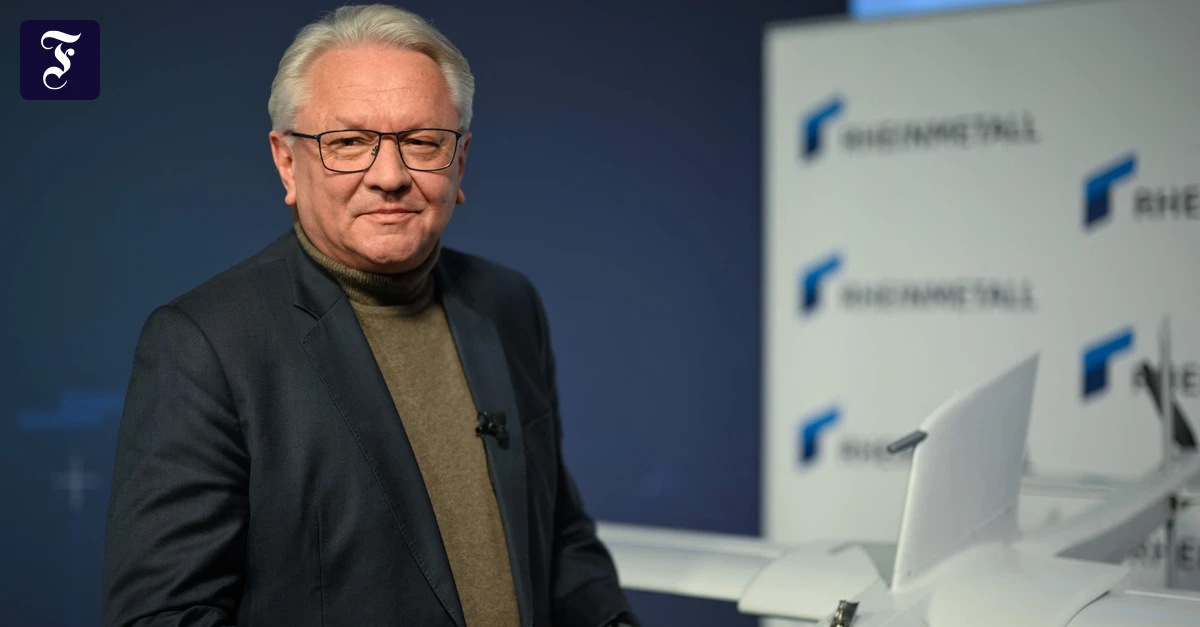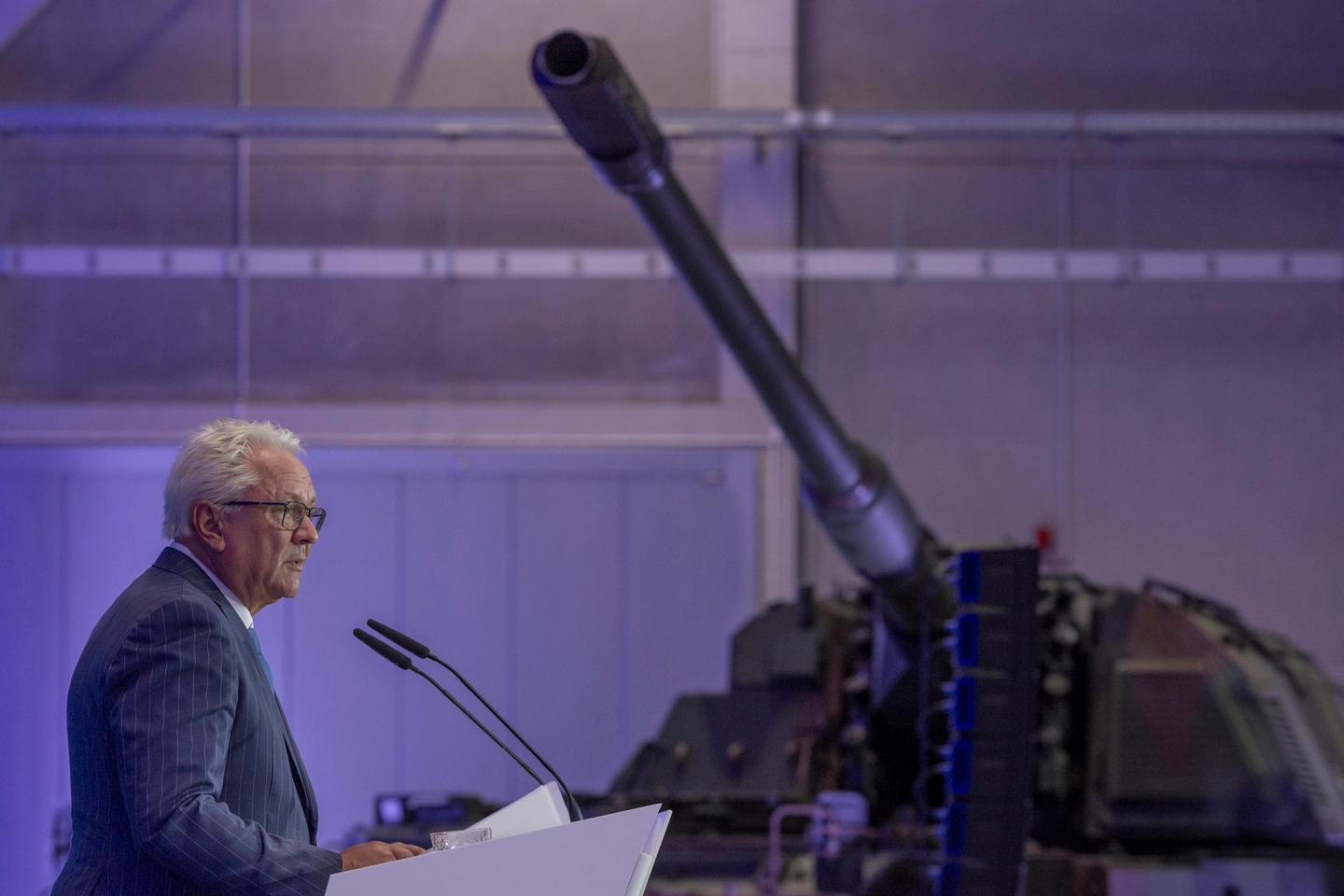
Armin Papperger, CEO of Rheinmetall AG, during the inauguration of the group's new artillery munitions factory on August 27, 2025, in Unterlüess, Germany. ULRICH BAUMGARTEN/GETTY IMAGES
The Lüneburg Heath, in the Lower Saxony region, is a vast, wind-swept sandy plain typical of northern Germany. This landscape of heather and pines, with its acidic and infertile soil, is particularly well-suited for military exercises. The German Army has trained its soldiers here since the 19th century.
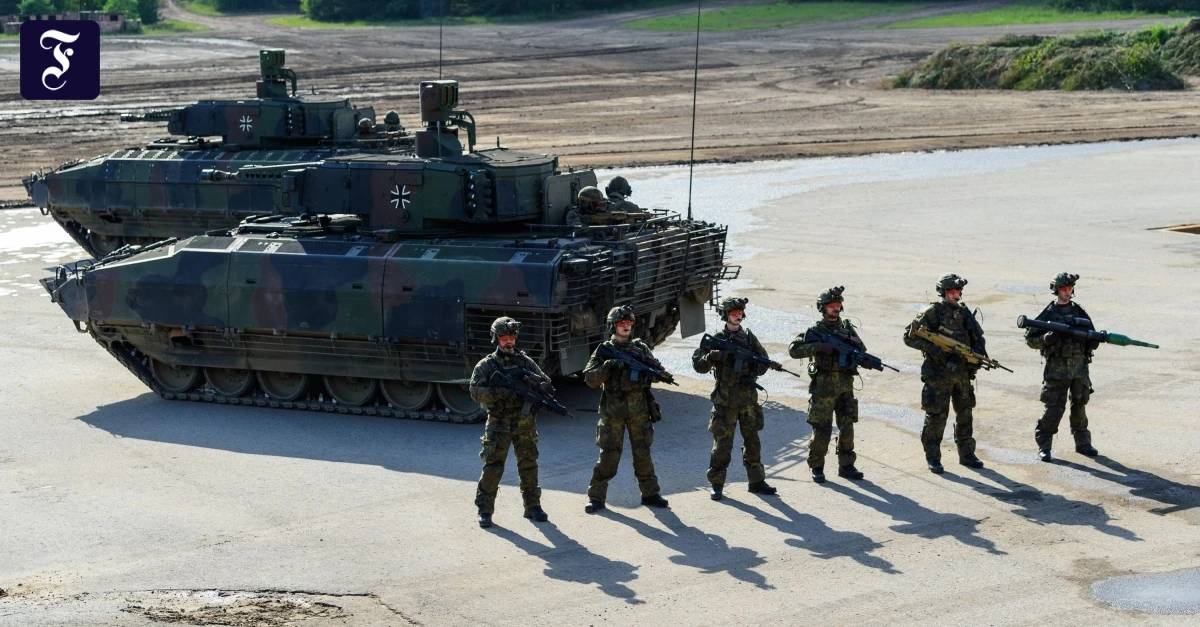
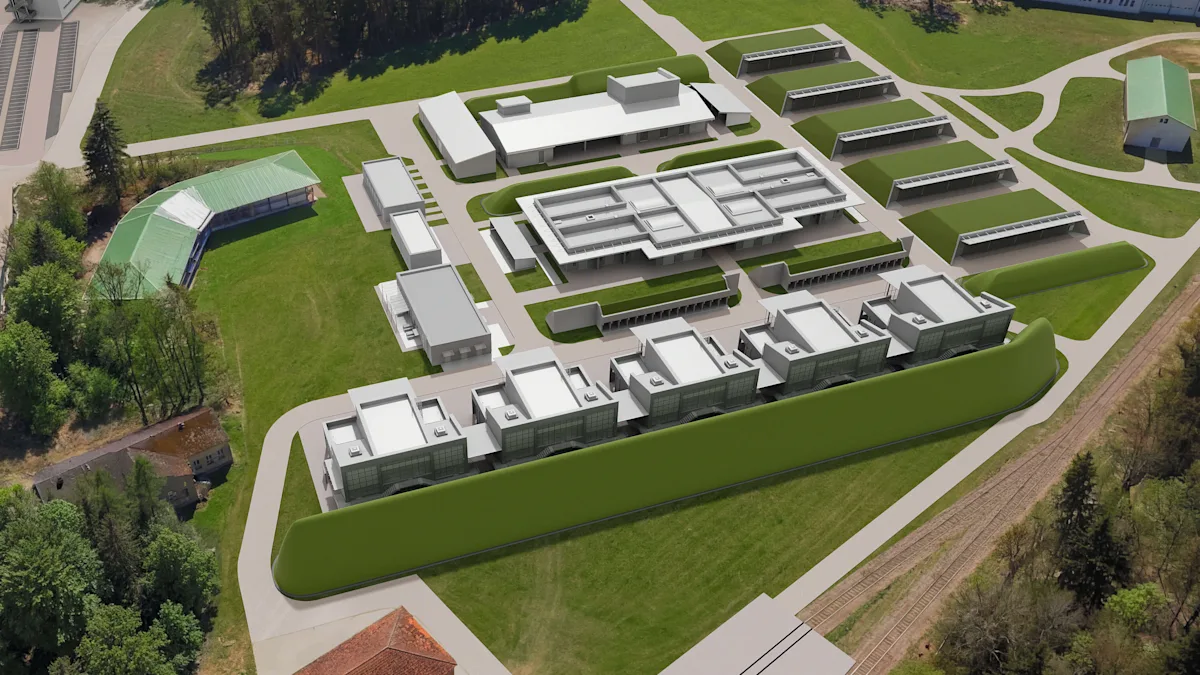
It is only fitting that in Unterlüess, at the northern edge of the heath and surrounded by forests, Germany's leading defense contractor, Rheinmetall – known for its expertise in tanks and munitions – operates a massive production and testing site. Long overlooked, this quiet town of 3,600 residents has been transformed into a major industrial hub, reflecting the dramatic expansion of the defense group, which has gone from being a mid-sized manufacturer to a global player in armaments in just a few years.
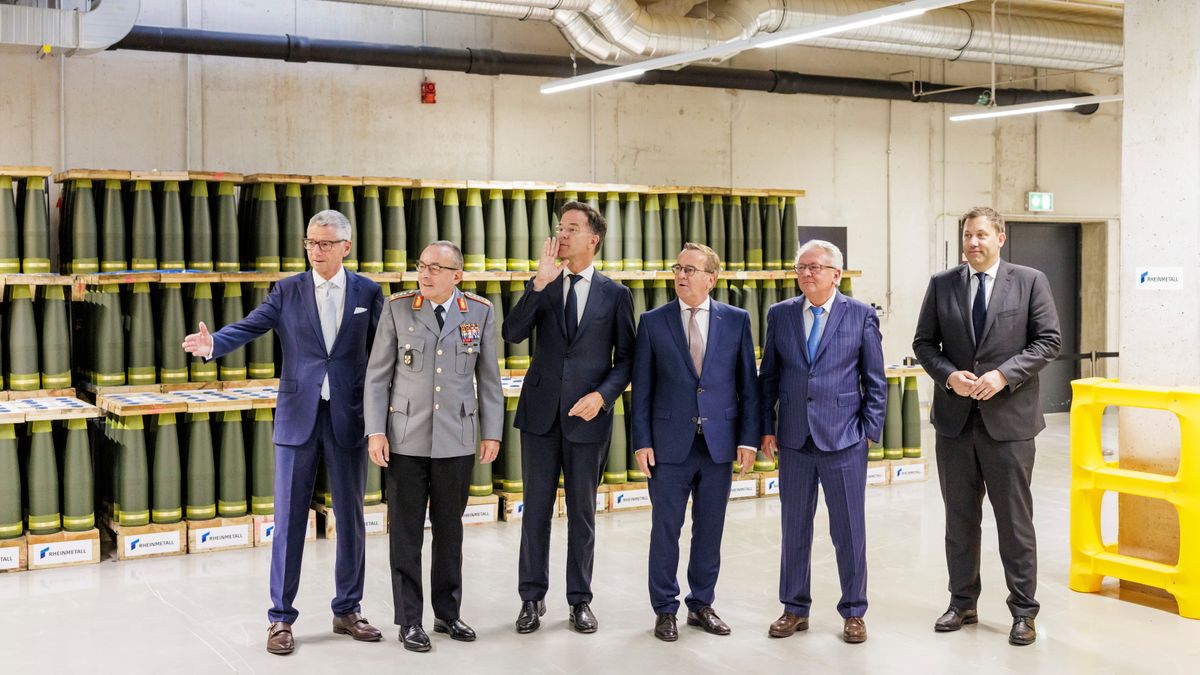
On October 20, Rheinmetall announced that its Unterlüess site would be the primary beneficiary of a €3.5 billion tank order placed by the European defense consortium OCCAR. At the end of August, the group opened a new factory in Unterlüess, which is set to become Europe's leading munitions production site by 2027. The inauguration was attended by Vice-Chancellor and Finance Minister Lars Klingbeil, Defense Minister Boris Pistorius, NATO Secretary General Mark Rutte, Bulgarian President Rumen Radev, Romanian Prime Minister Ilie Bolojan, and representatives from Latvia and Lithuania.