Radical English director who clashed with the BBC over his ‘horrifying’ film about nuclear war, was forced to look abroad to continue working
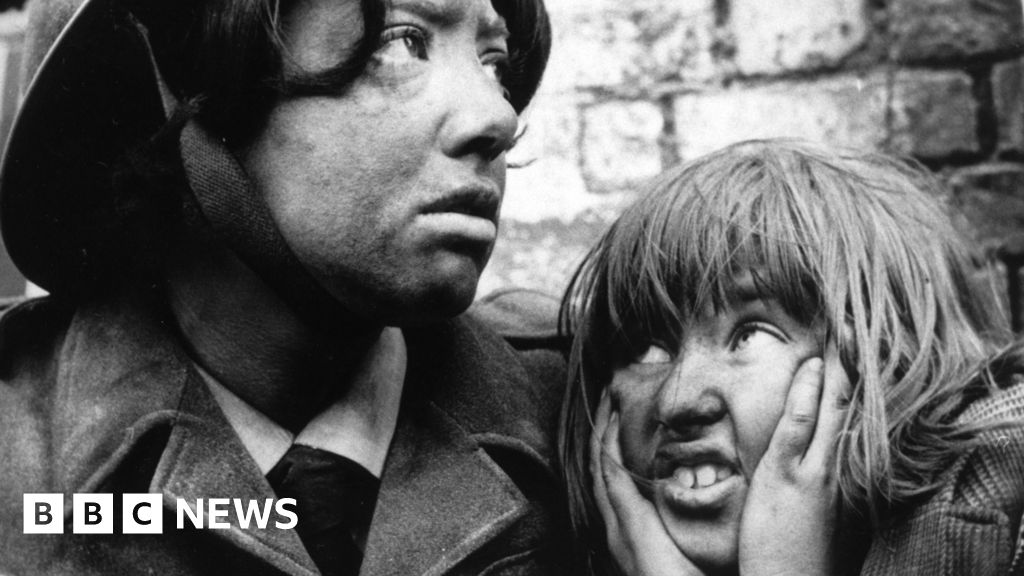
Peter Watkins, the radical British film-maker who won an Oscar for his controversial drama-documentary The War Game, about a nuclear attack on Britain, has died aged 90. His son Patrick confirmed that he died on Thursday, but no cause of death has been given.
Watkins was an uncompromising figure who clashed with the BBC after the latter failed to show The War Game on broadcast TV, and subsequently led a peripatetic film-making existence, looking overseas for backing. He was wary of the press, in a rare interview he spoke to the Guardian in 2000, saying he was “someone who has been working for 30 years to help shift the power balance between public and TV”. He added: “Had TV taken an alternative direction during the 1960s and 1970s and worked in a more open way, global society today would be vastly more humane and just.”
Born in 1935 in Norbiton, Surrey, Watkins studied at RADA (Royal Academy of Dramatic Art) after doing national service, telling the Guardian: “I did not intend to point my rifle at a human being.” After making a series of short films, including Forgotten Faces, about the Hungarian uprising, Watkins joined the BBC in 1962 and was subsequently asked to make a film about the Battle of Culloden, “Butcher” Cumberland’s victory over Jacobite forces in 1746. Watkins’ resulting film, broadcast in 1964, was pioneering in its immediacy and sense of realism, using contemporary news techniques and non-professional actors.