In a bid to hold onto power, President Donald Trump has been pushing Republican-led states to eke out extra seats ahead of the November 2026 midterm elections by redrawing congressional district maps to favor the GOP. Now, Democrat-led states are responding.
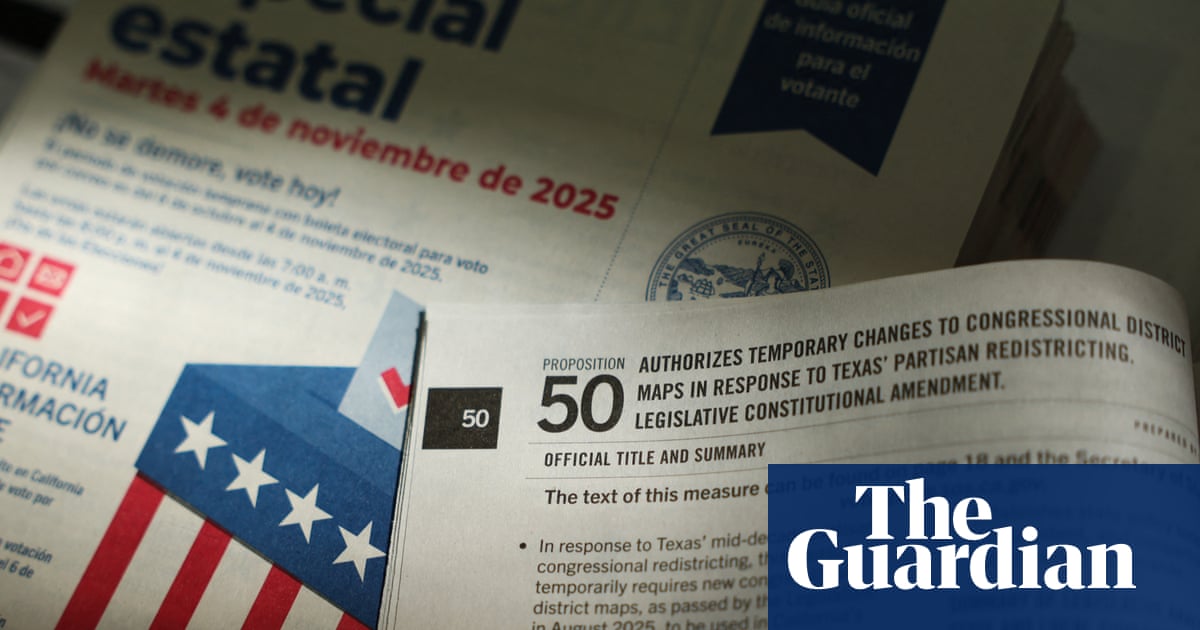
On Tuesday Nov. 4, Californians will vote to decide whether their Democrat-led proposed redistricting plans can move forward. They hope their efforts can ultimately offset Texas Republican Gov. Greg Abbott’s own remapping.
A flurry of additional states have also floated the idea of redistricting, but few have tangible or realistic plans to do so. This is because redistricting typically happens at the start of every decade, with some states outright prohibiting more mid-decade changes. With California and Texas being the states with the most seats by far, they hold more weight on who controls the U.S. House of Representatives.
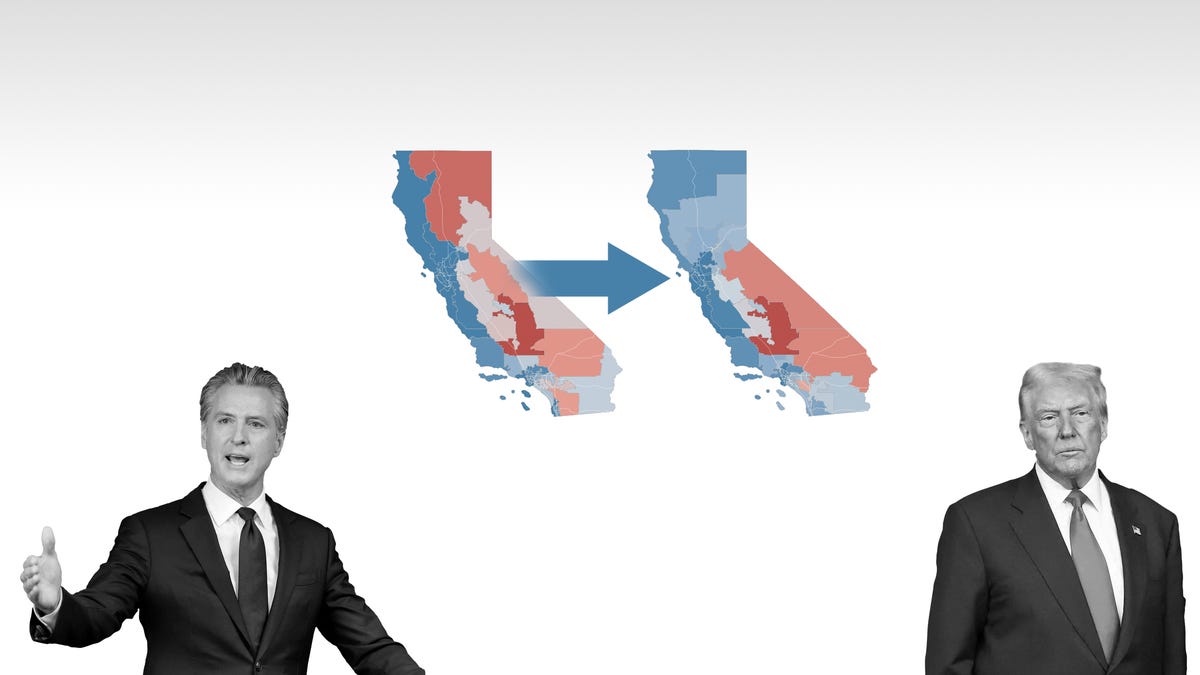
USA TODAY applied voting data from previous elections to the potentially newly-drawn districts in order to simulate the impact these changes could bring and what it means for voters across the nation. Here’s how we did it and what we learned:
To compare the district maps, we used voting data from the 2024 presidential election. In California, this is available by precinct through Statewide Database. This data can be broken down further by census blocks, a granular view of how people voted. These census blocks can then be aggregated by both the current and proposed maps.