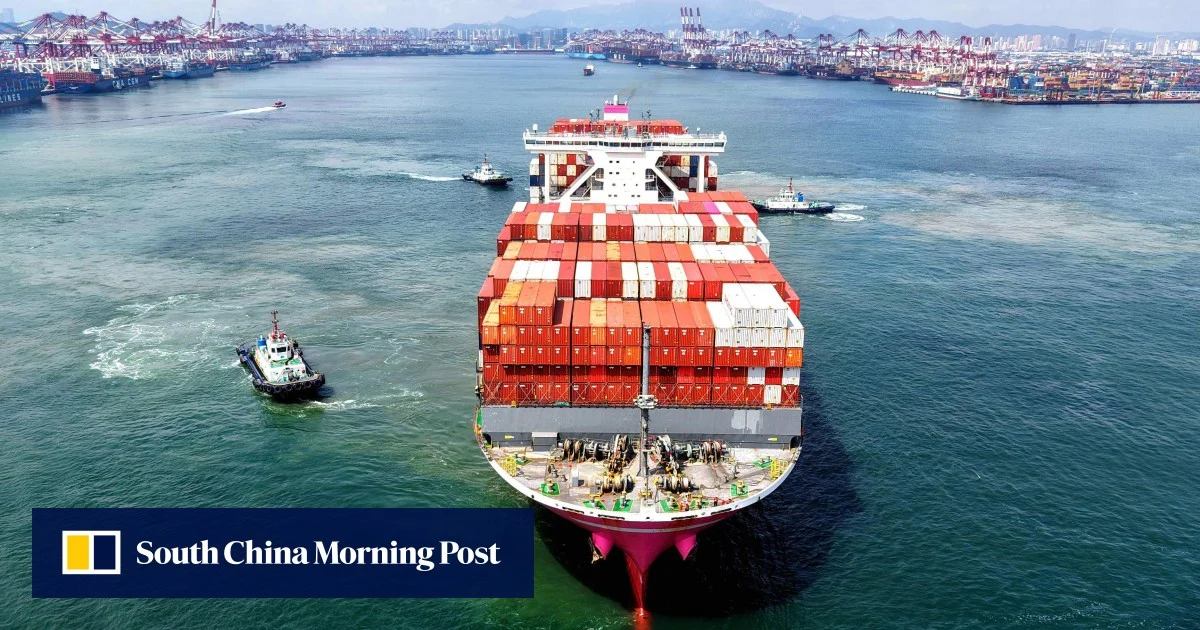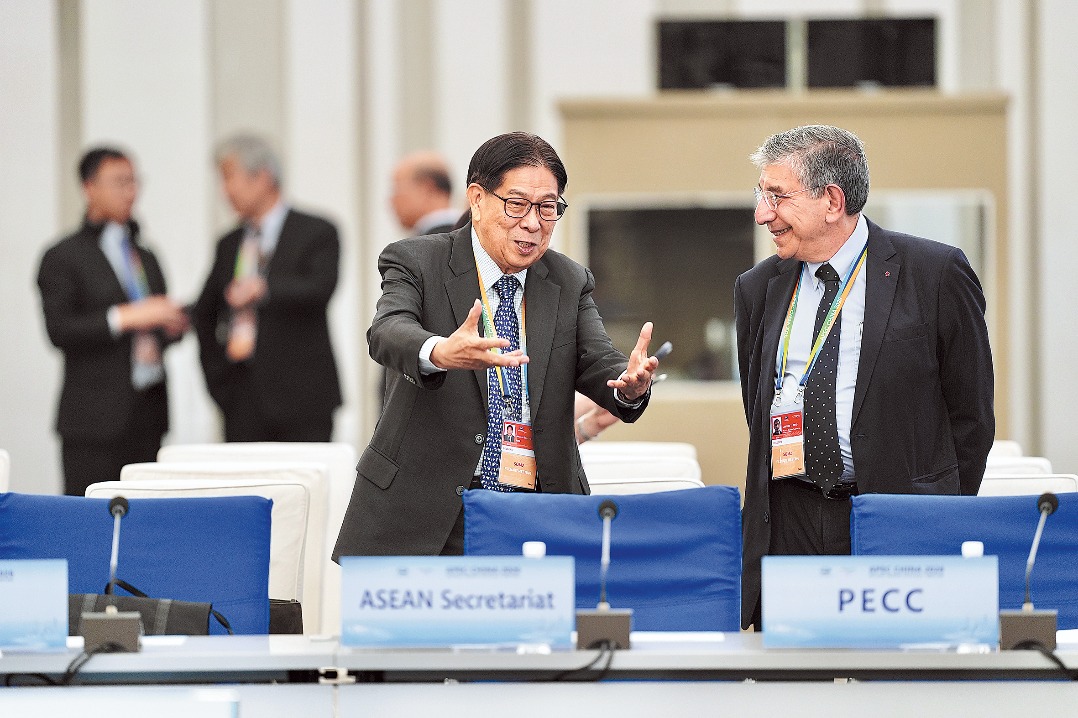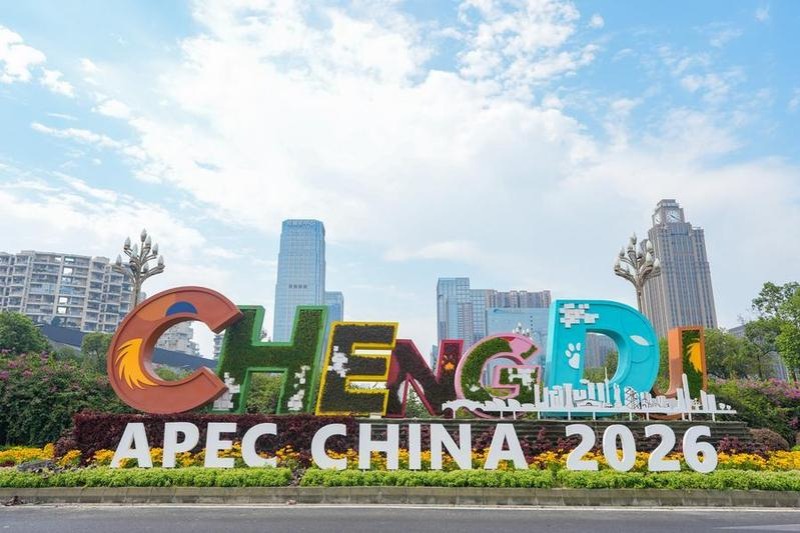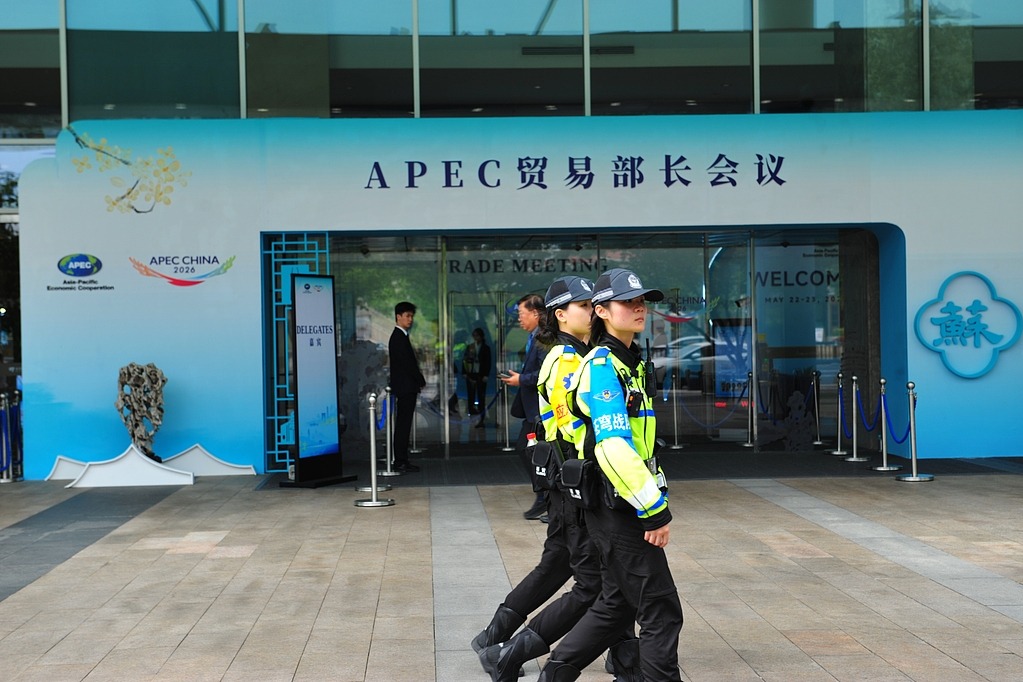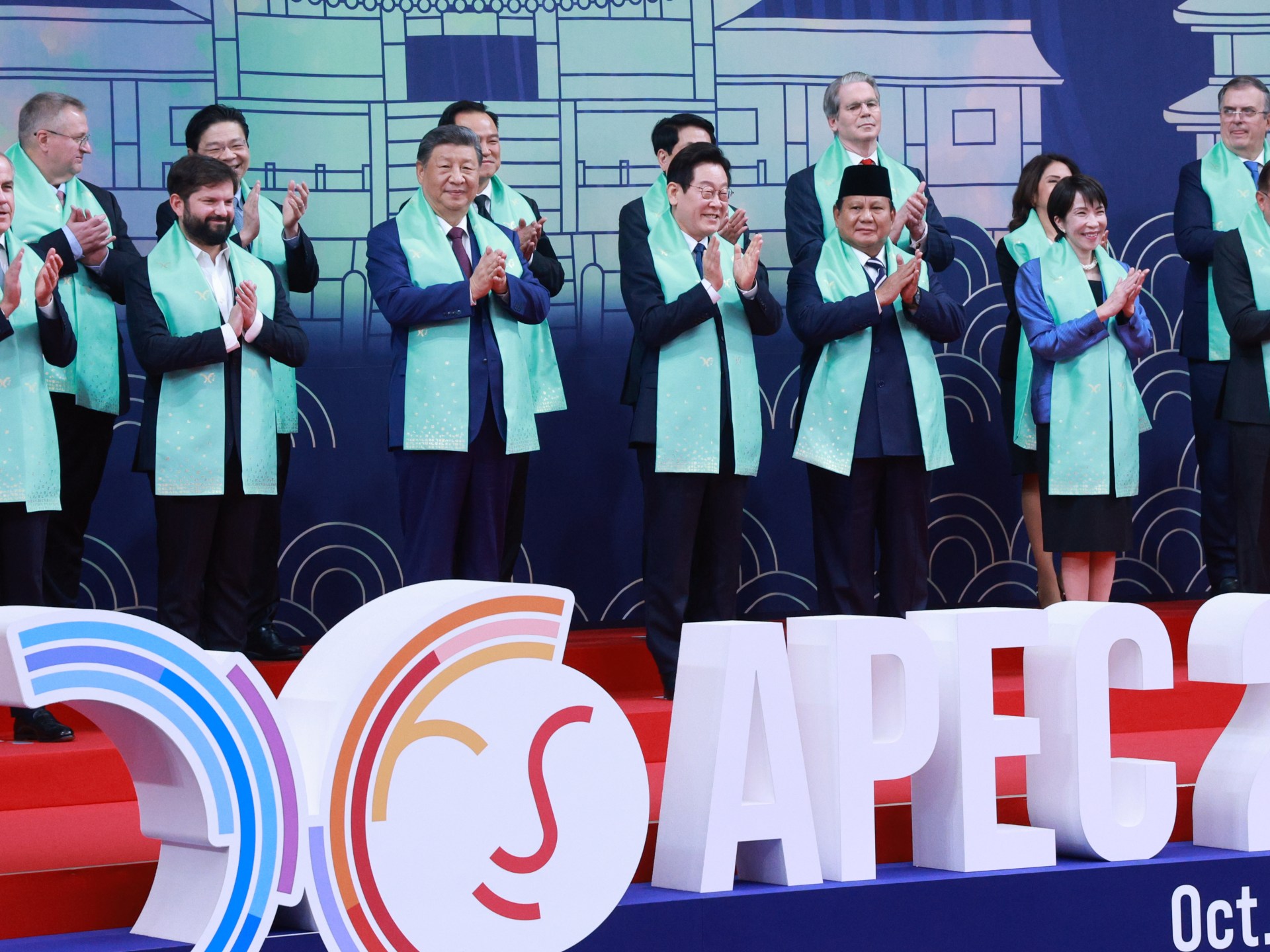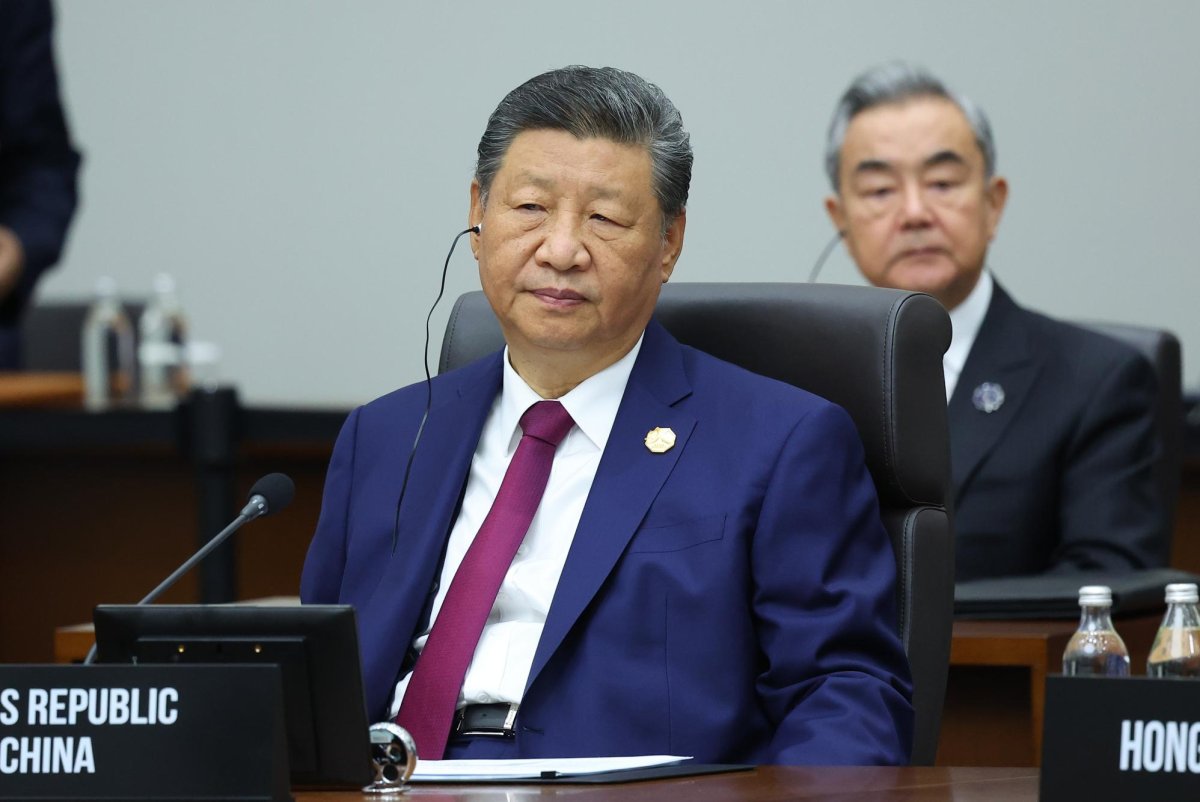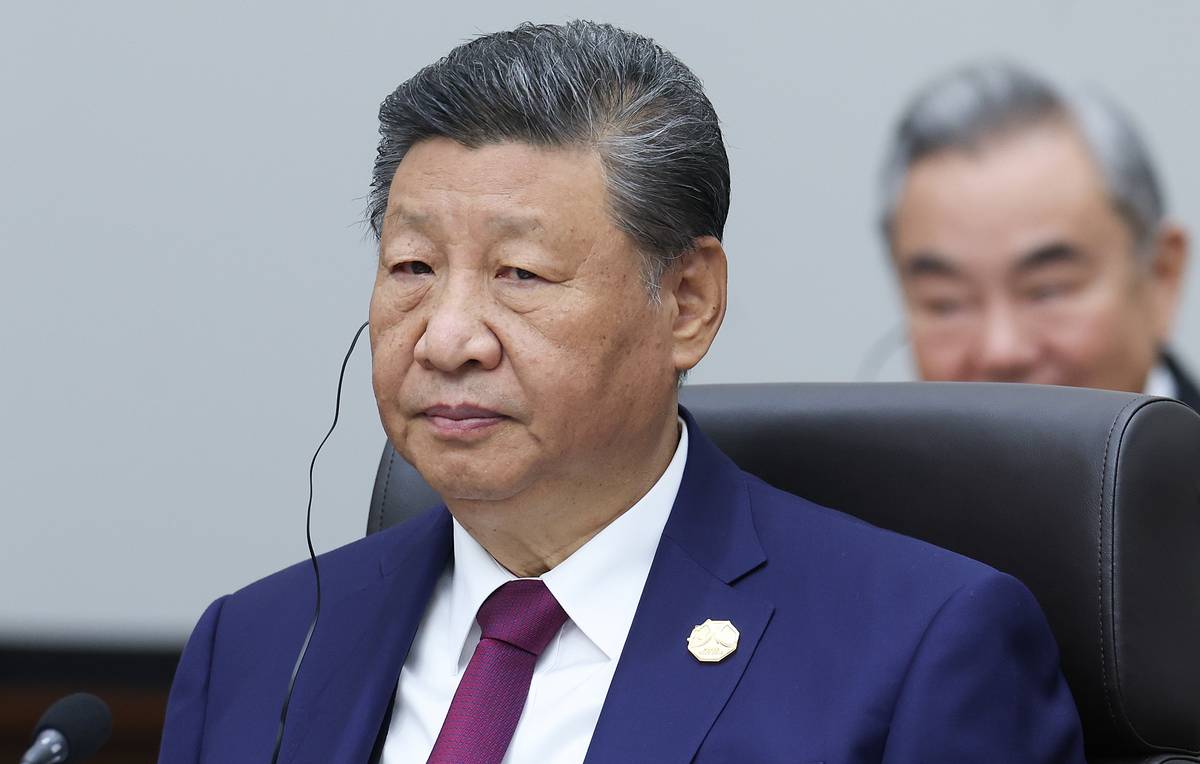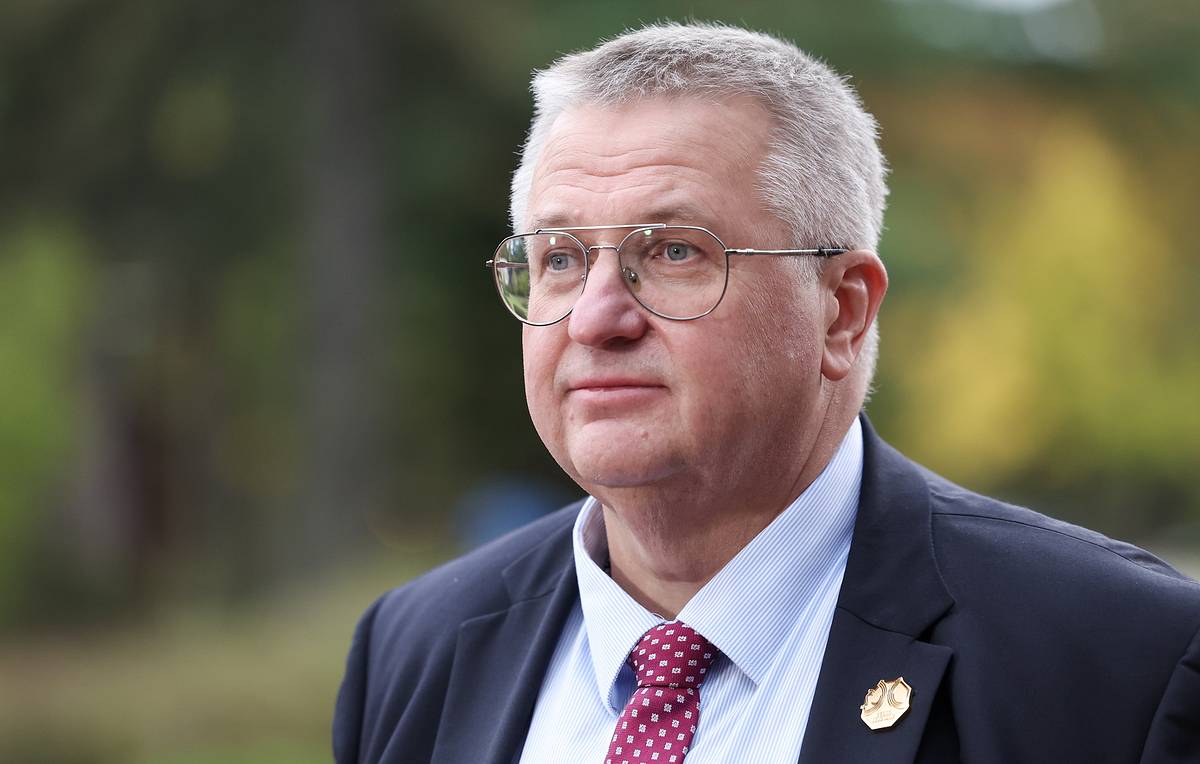
The Asia-Pacific Economic Cooperation club has 21 members that represent more than 50% of global GDP and are home to about 2.7 billion people
The idea of the Asia-Pacific Economic Cooperation group was firstly publicly broached during a speech in Seoul, South Korea, on 31 January 1989 by Bob Hawke, Australia’s prime minister of the time. Ten months later, 12 Asia-Pacific economies met in Canberra to establish Apec.
The grouping now has 21 members that represent more than 50% of global GDP and are home to about 2.7 billion people, or 40% of the world’s population.
China, Russia and the US are three of the largest members. The others are: Australia, Brunei Darussalam, Canada, Chile, Hong Kong, Indonesia, Japan, Malaysia, South Korea, Mexico, New Zealand, Papua New Guinea, Peru, the Philippines, Singapore, Taiwan, Thailand, and Vietnam.
The Apec region generated 70% of the world’s economic growth during its first 10 years of existence.