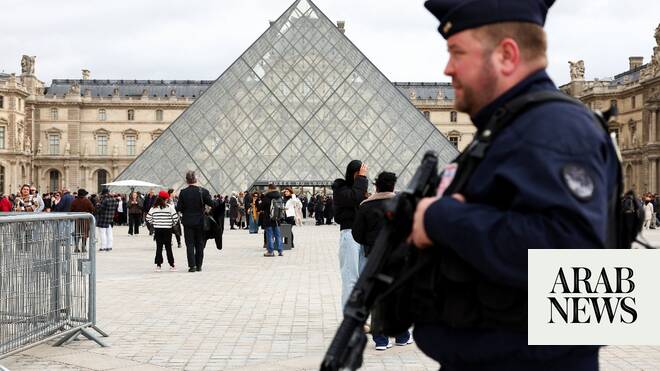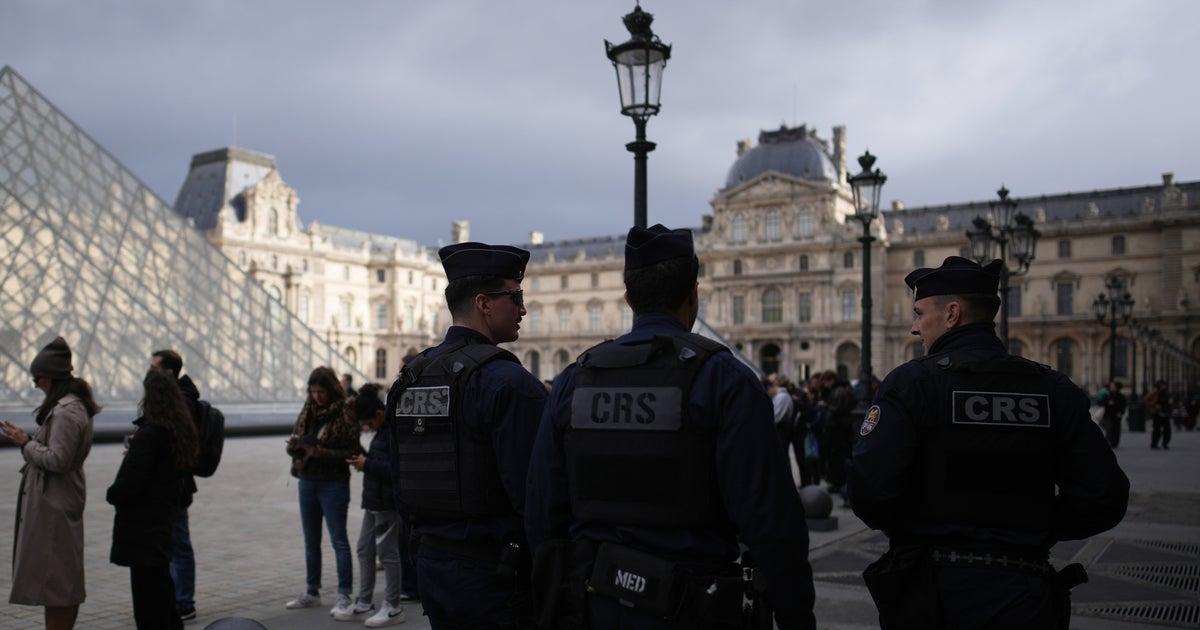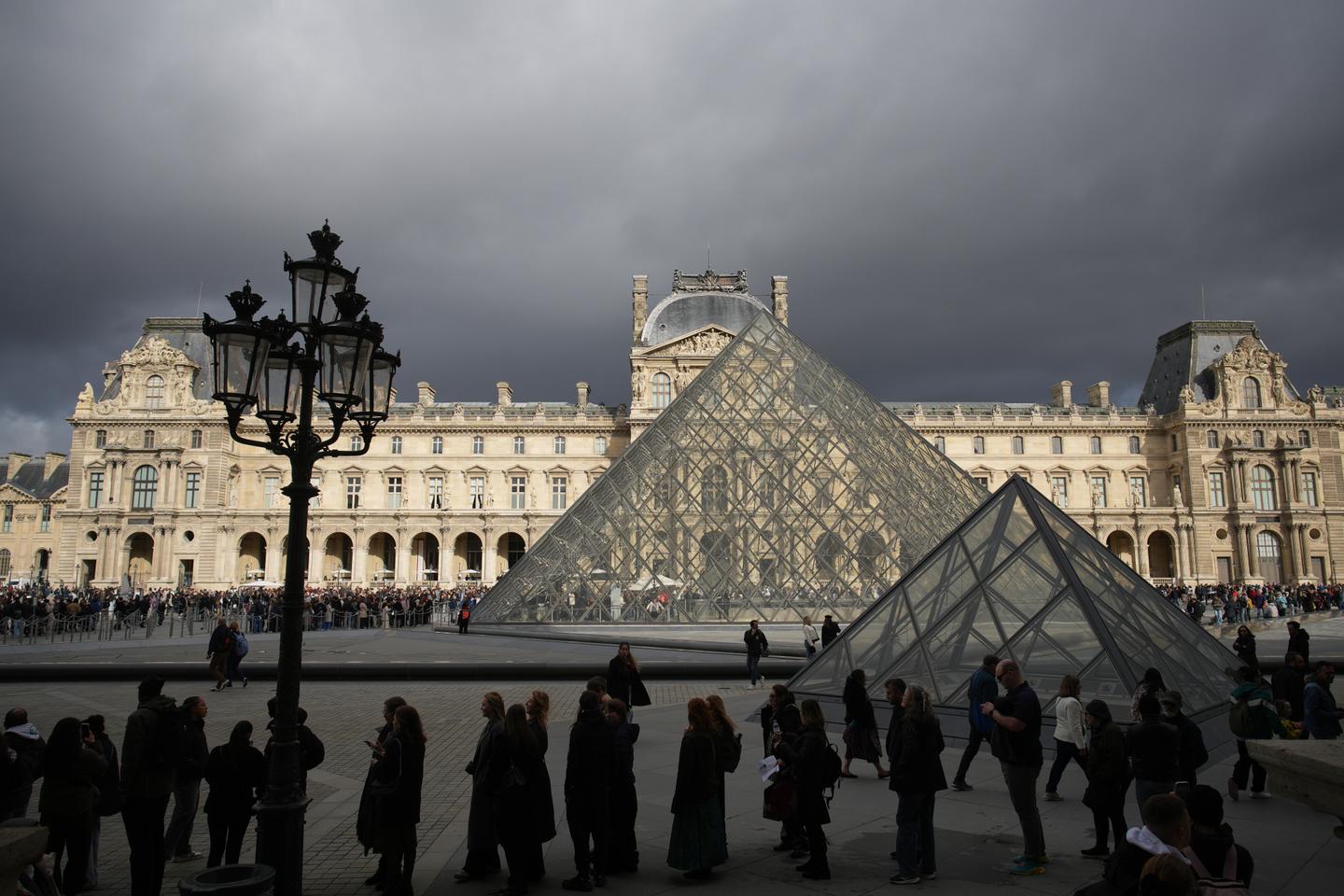
People queue to enter the Louvre Museum on October 27, 2025, in Paris. CHRISTOPHE ENA / AP
French police acknowledged major gaps in the Louvre's defenses on Wednesday, October 29 − turning this month's dazzling daylight theft into a national reckoning over how France protects its treasures. Paris Police Chief Patrice Faure told Sénat lawmakers that aging systems and slow-moving fixes left weak seams in the world's most-visited museum.
"A technological step has not been taken," he said, noting parts of the video network are even still analog, producing lower-quality images that are slow to share in real time. A long-promised revamp, a $93 million project requiring roughly 60 kilometers of new cabling, "will not be finished before 2029–2030," he said.
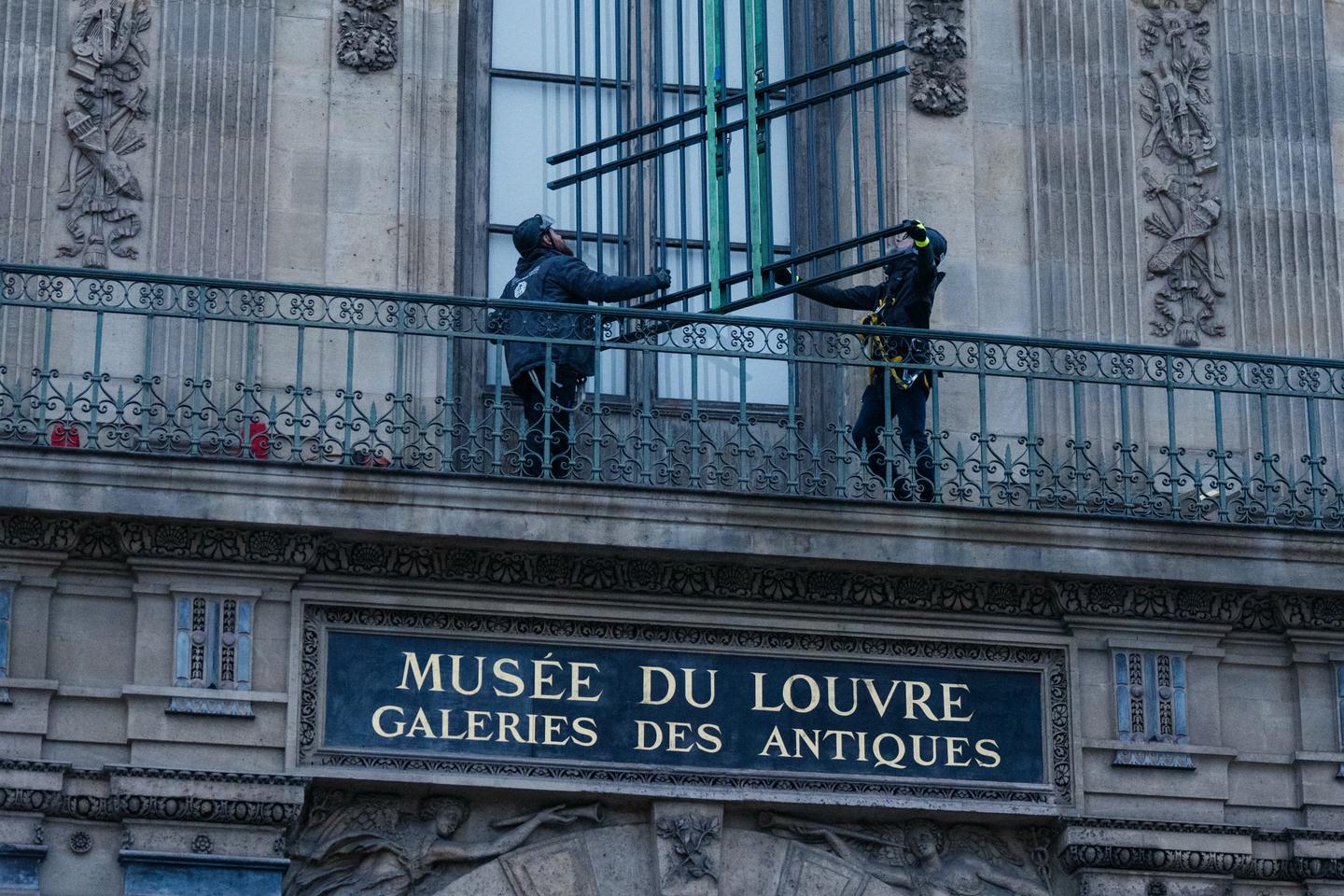
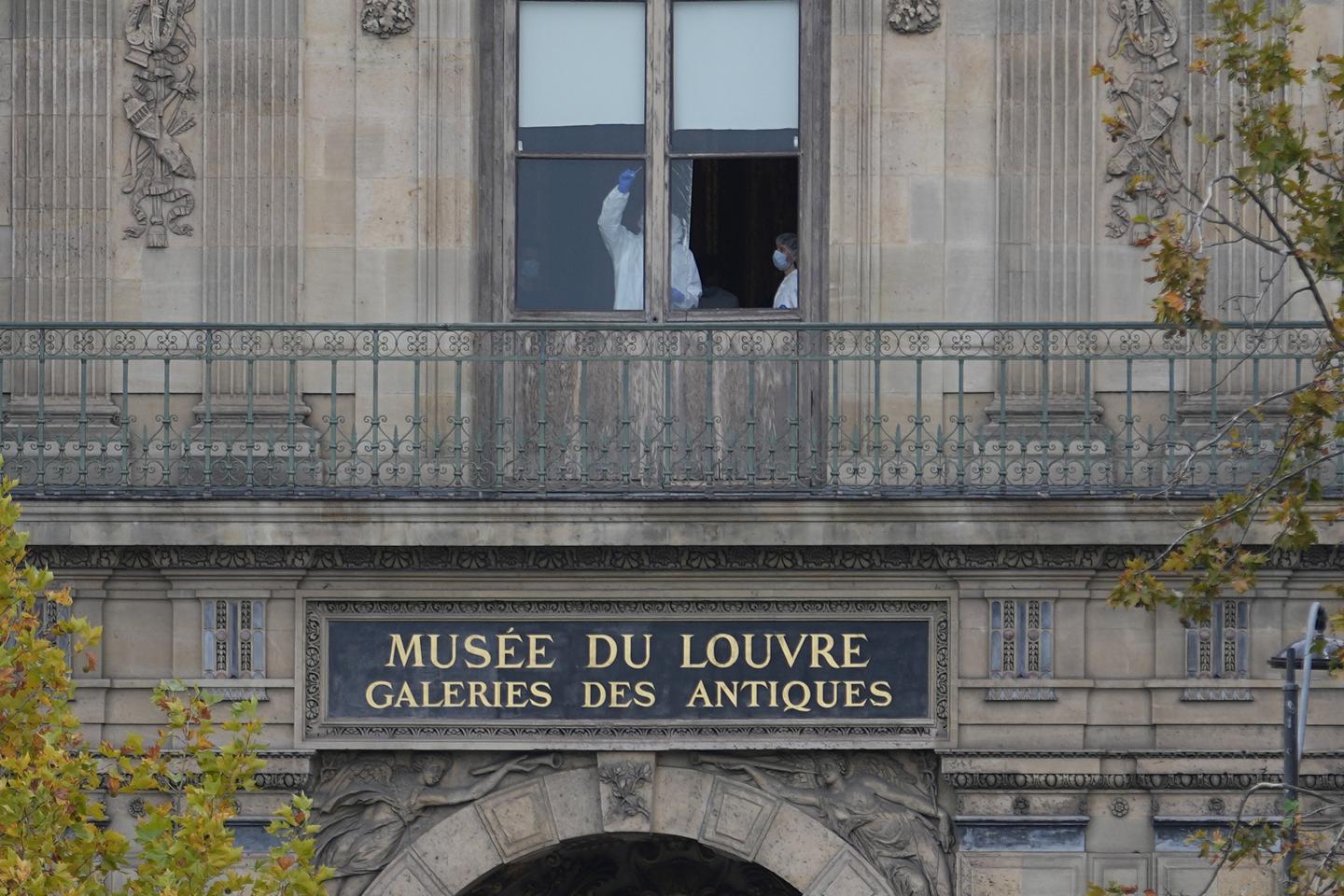
Faure also disclosed that the Louvre's authorization to operate its security cameras quietly expired in July and wasn't renewed − a paperwork lapse that some see as a symbol of broader negligence after thieves forced a window to the Galerie d'Apollon, cut into cases with power tools and fled with eight pieces of the French crown jewels within minutes while tourists were inside.
"Officers arrived extremely fast," Faure said, but he added the lag occurred earlier in the chain − from first detection, to museum security, to the emergency line, to police command. Faure and his team said the first alert to police came not from the Louvre's alarms but from a cyclist outside who dialed the emergency line after seeing helmeted men with a basket lift.