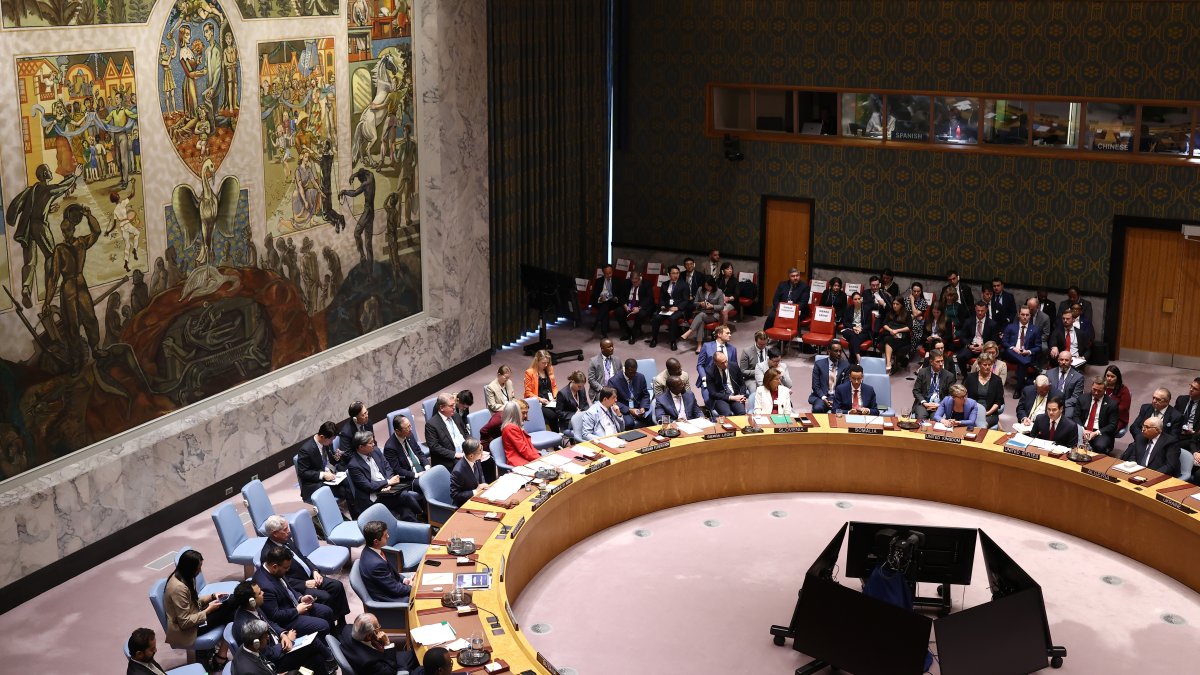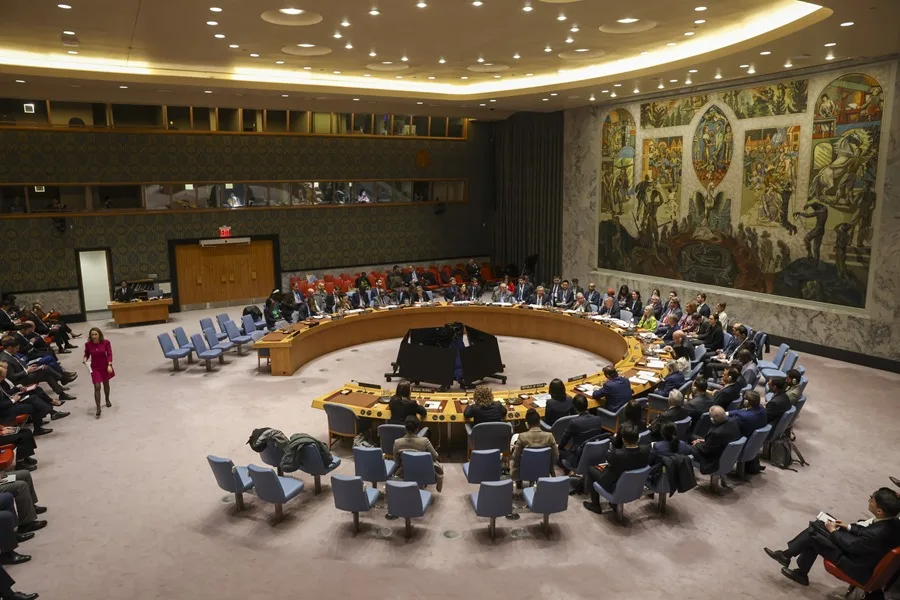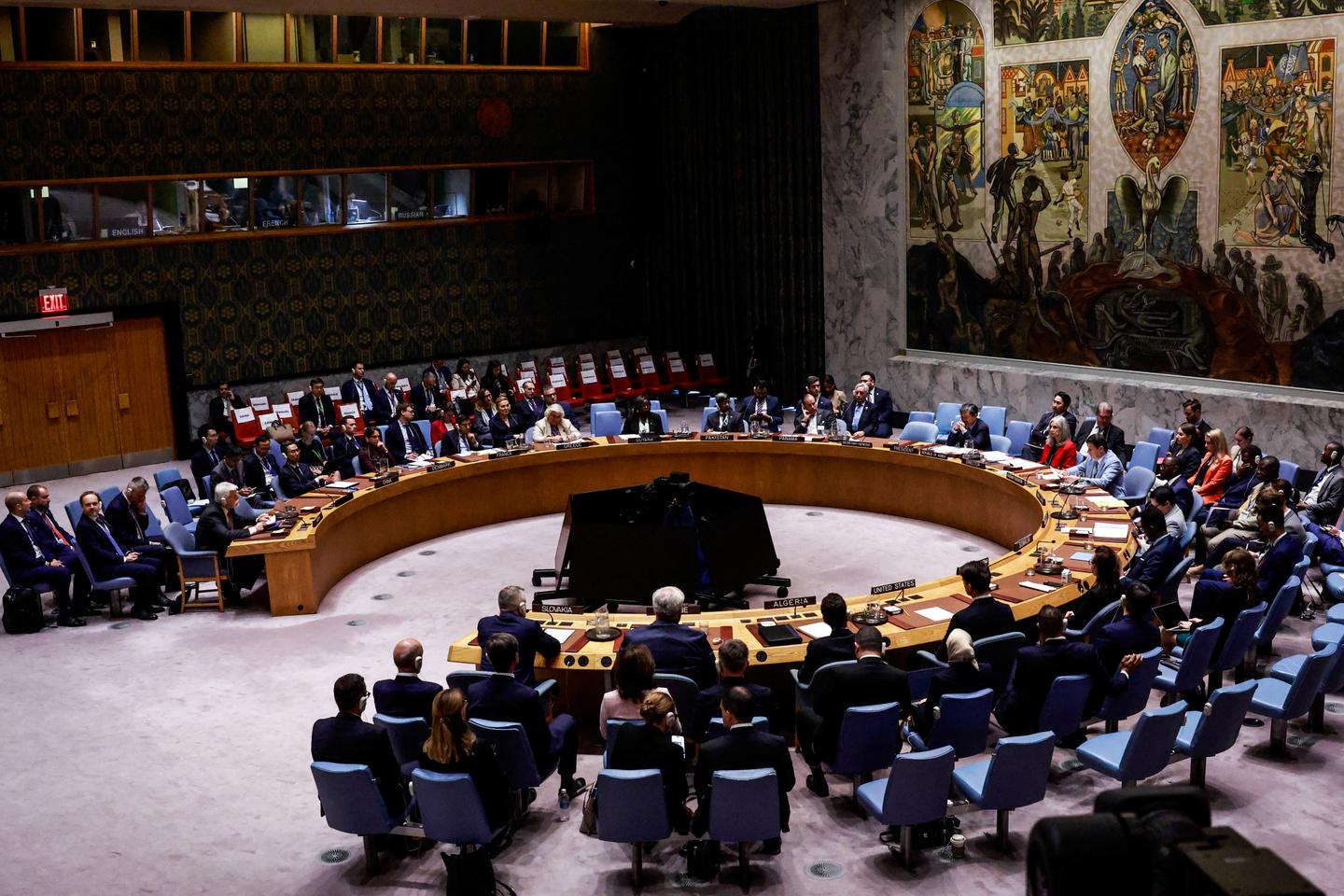
A United Nations Security Council meeting, at the organization's headquarters in New York, on September 23, 2025. KENA BETANCUR / AFP
The resolution is still just a draft, but it could lead to a decisive vote on a territorial conflict that has long destabilized North African geopolitics, a lingering legacy of colonialism. On Thursday, October 30, the United Nations Security Council (UNSC) is due to decide whether or not to renew the mandate of the United Nations Mission for the Referendum in Western Sahara (MINURSO).
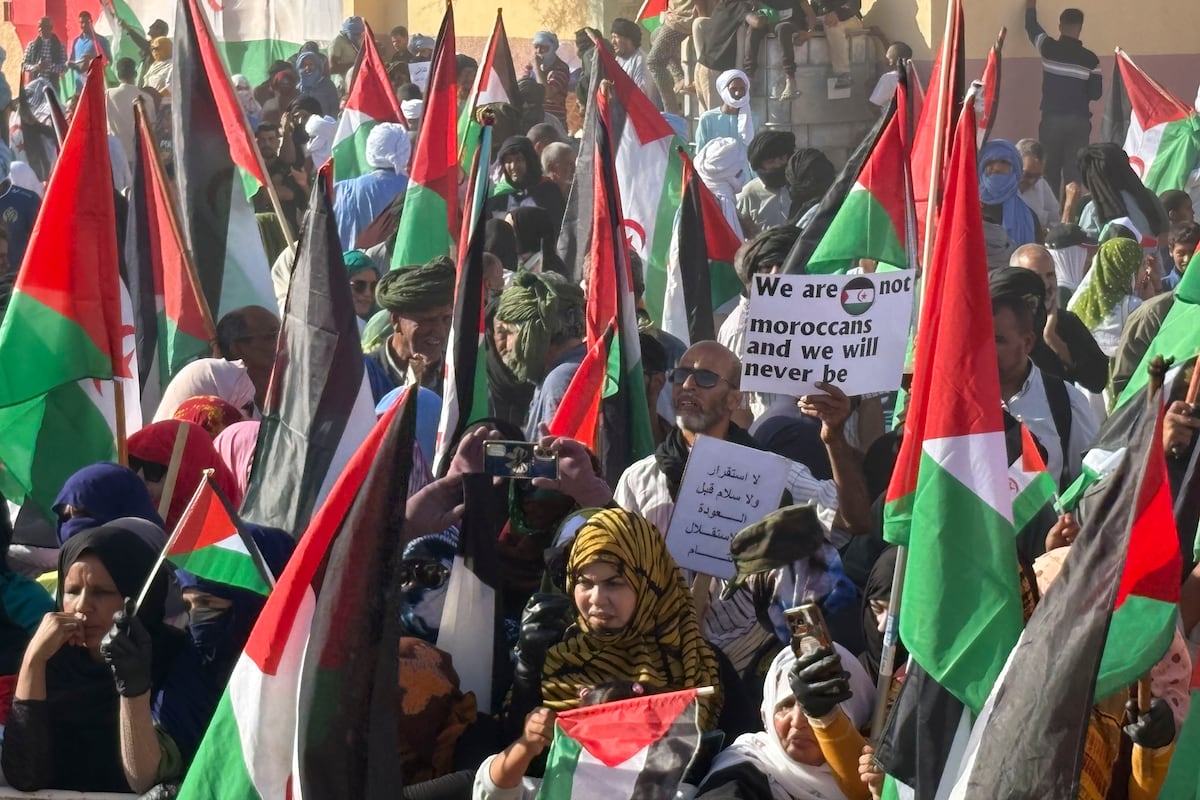
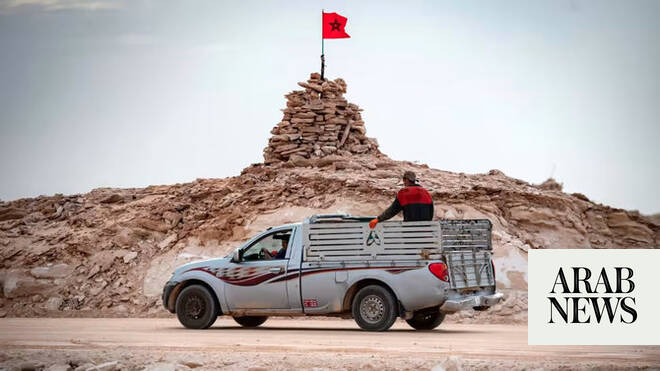
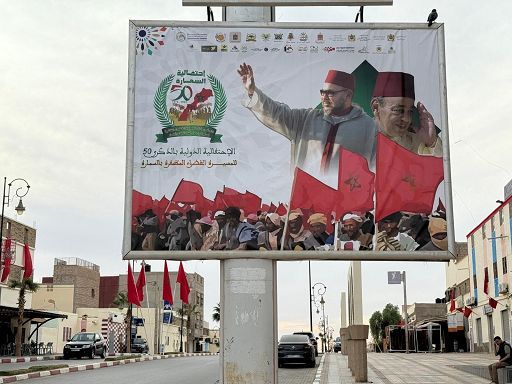
The Western Sahara, a desert region three times the size of Austria, has been claimed by both Morocco and the Sahrawi pro-independence movement, the Polisario Front, which is backed by Algeria. Beyond the usual terms and conditions of the UN mission's mandate, which is typically extended every year without much debate, the stakes of this year's vote concern a possible clarification of the territory's status, with the draft resolution pushing in a direction that favors Morocco's position. This explains the intense diplomatic sparring seen ahead of the Council meeting.
The draft resolution was put forward by the United States on October 22. If it is adopted largely as it stands, it would make Morocco's autonomy plan, which was proposed in 2007, a central, if not almost exclusive, reference point for a resolution to the conflict. An initial version of the resolution, which is backed by Donald Trump's administration, states that a status of "autonomy under Moroccan sovereignty constitutes the most viable solution. It uses, on one occasion, an even more restrictive phrase, calling it "the basis" for discussion – meaning, the only one.