The government of Aleksandar Vučić’s now resembles a political Ponzi scheme: borrowing legitimacy through spectacle while deferring its collapse
O
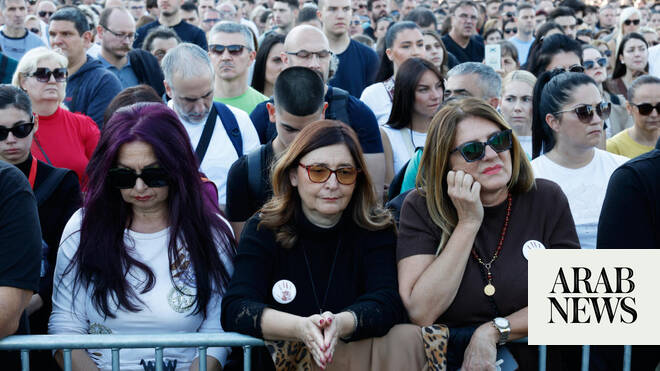
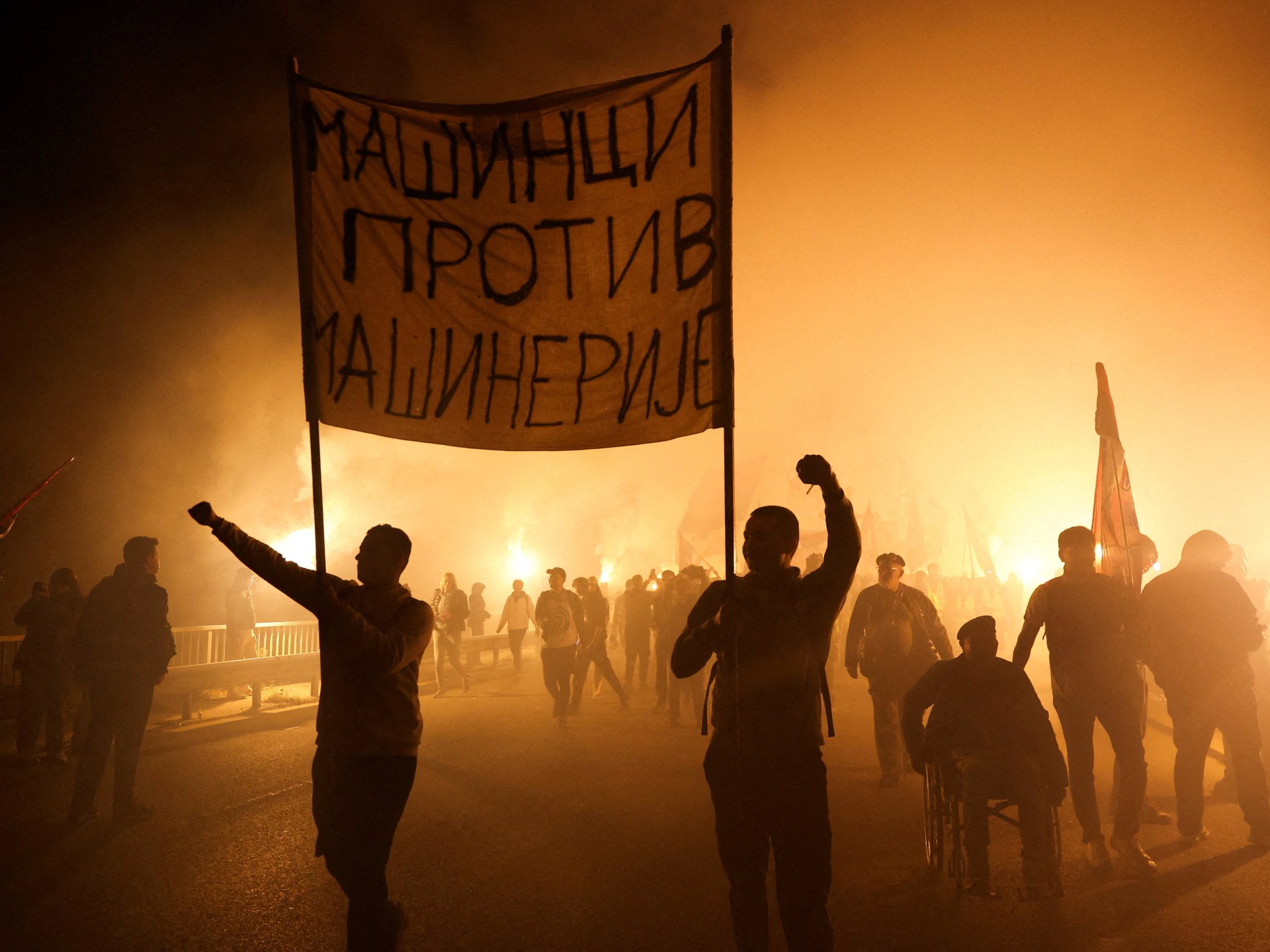
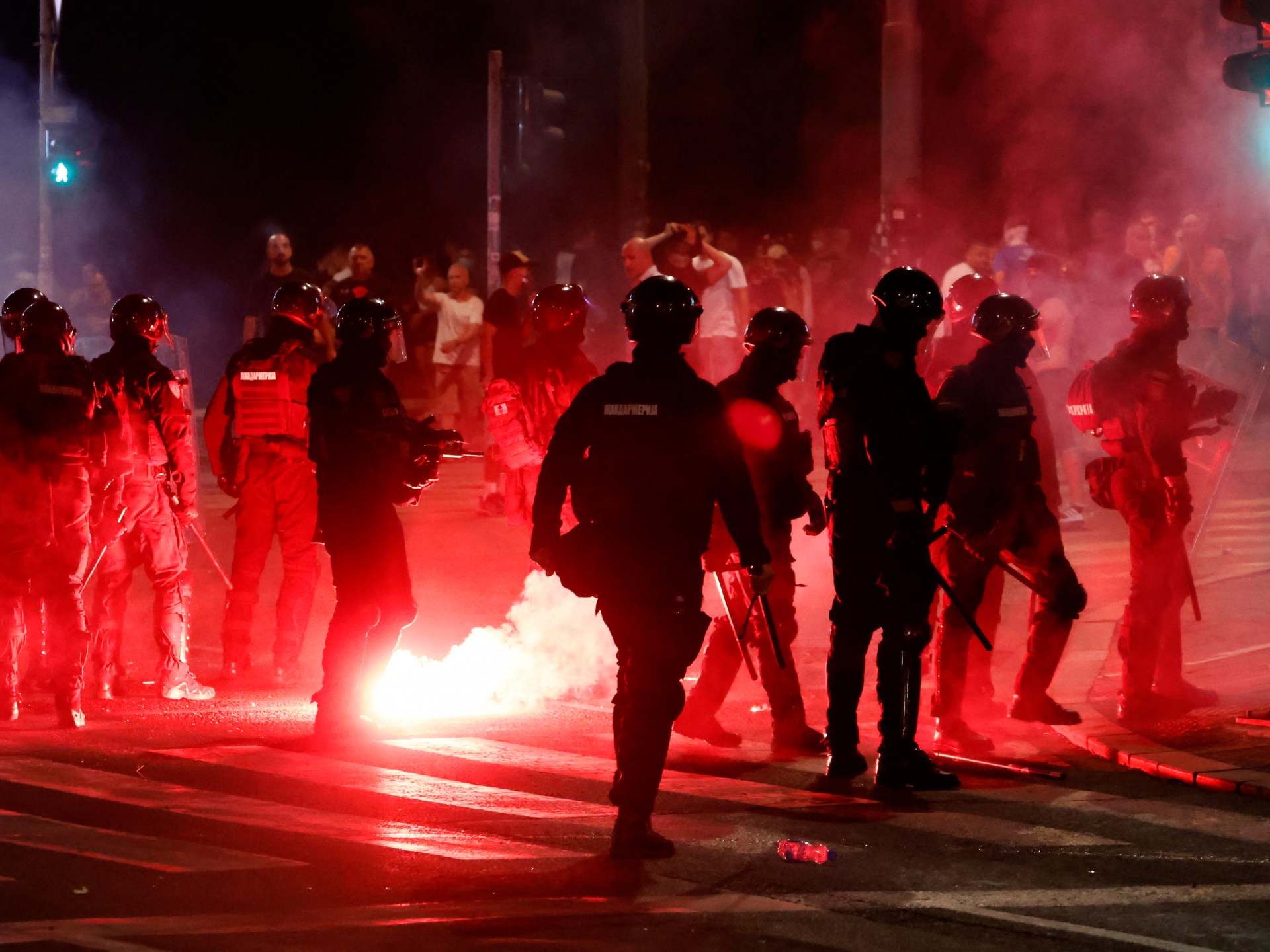
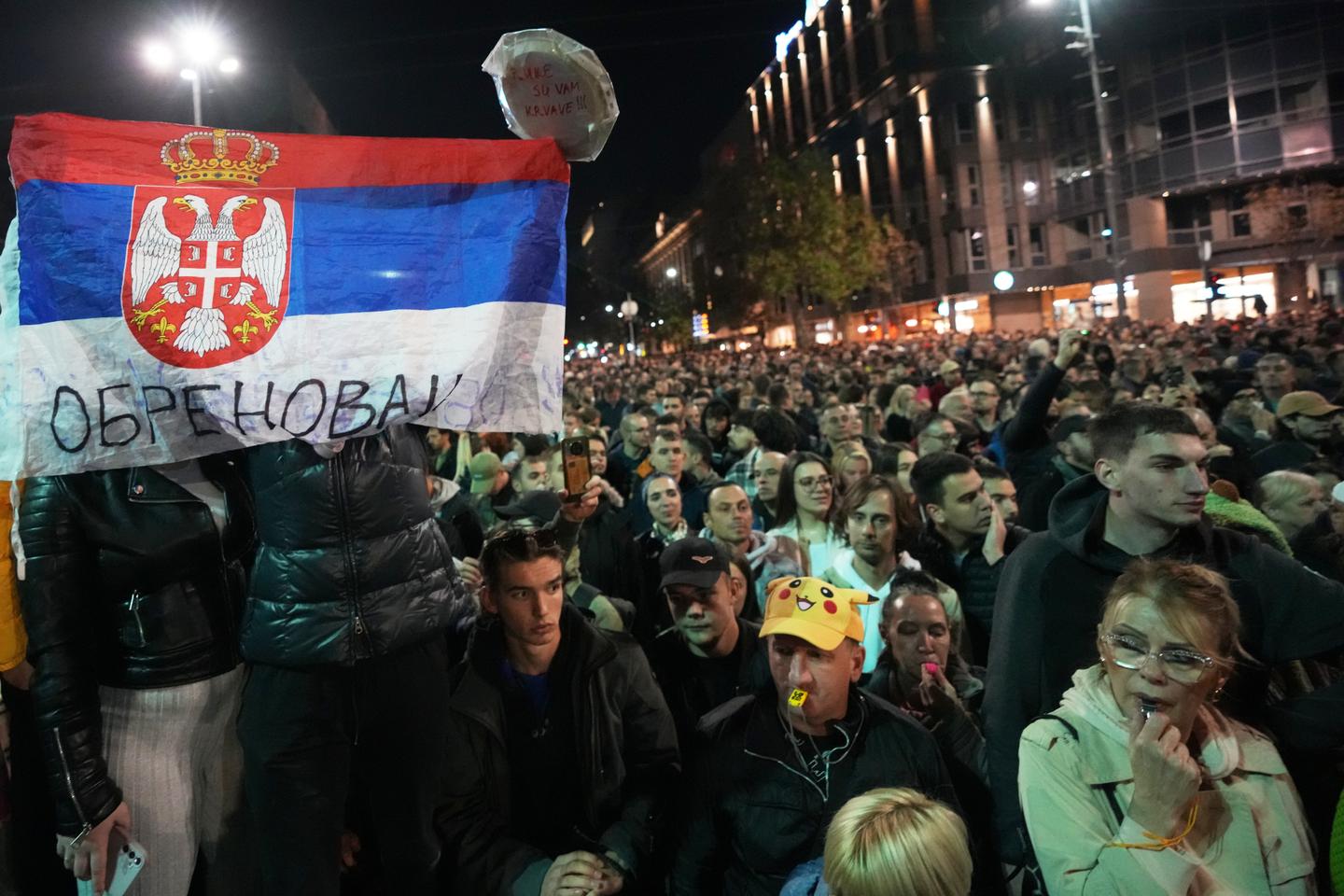
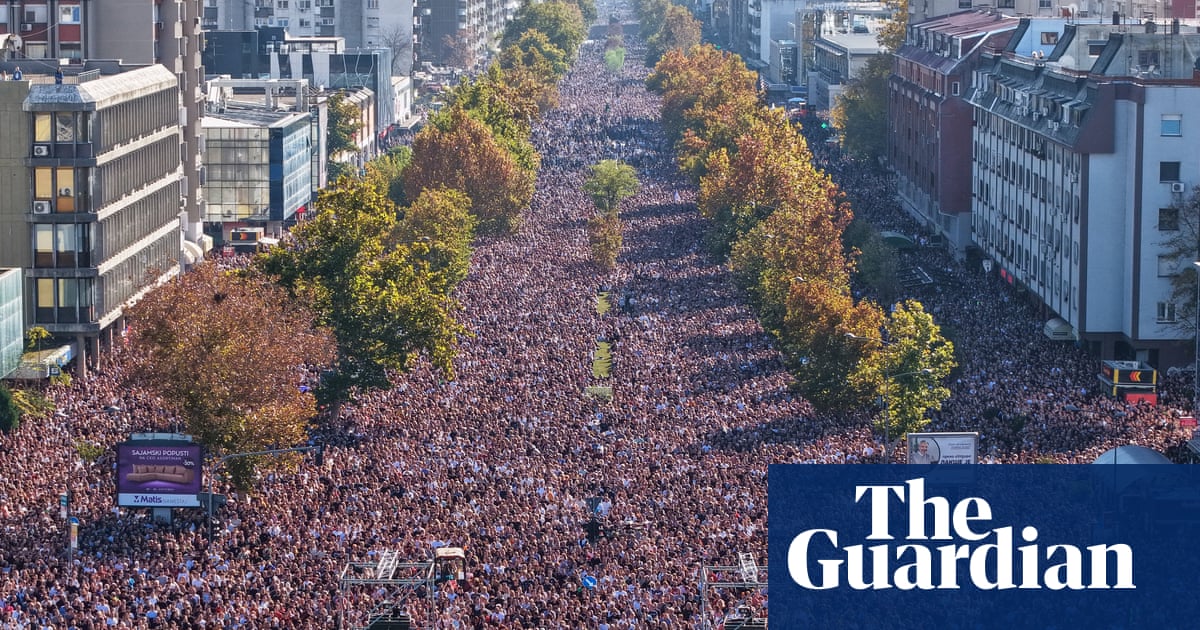
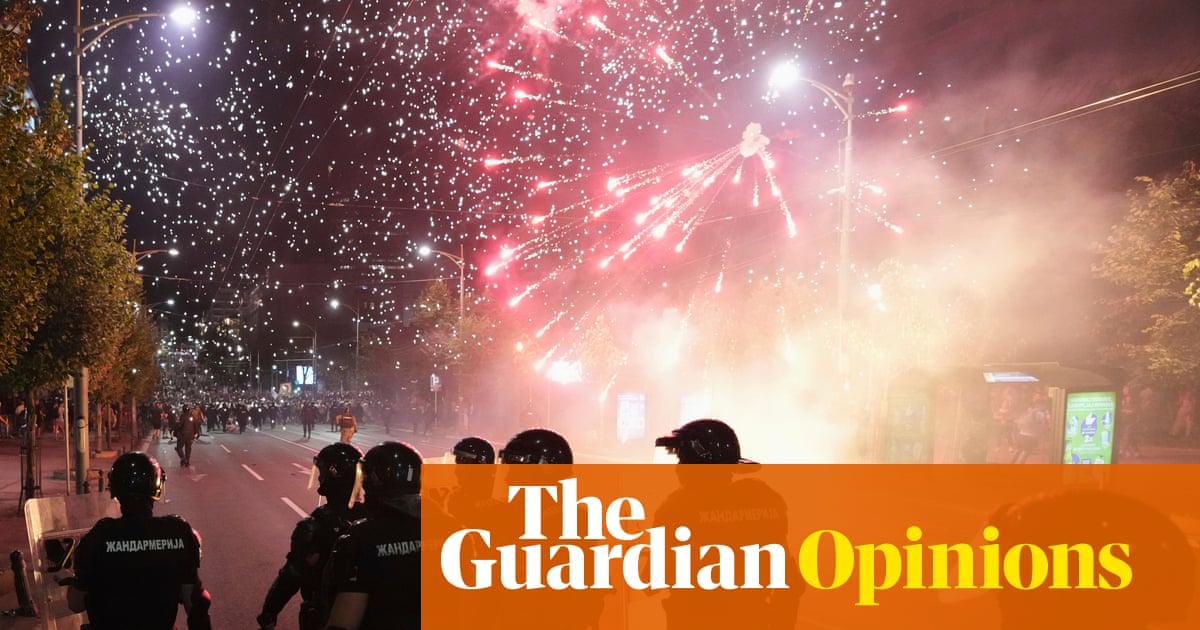
n 1 November 2024, a concrete canopy collapsed at the railway station in Novi Sad, Serbia’s second-largest city, killing 16 people. The tragedy triggered the longest wave of protests the country had seen in a decade – a spontaneous uprising against corruption, negligence and the arrogance of power. One year on, the cracks in Serbia’s concrete have turned into fissures in its political foundations.
The calamity cut deep for two reasons.
First, every Serbian has a story about that station. Built in 1964 and reconstructed in recent years to serve the new high-speed line between Belgrade and the Hungarian border, Novi Sad’s station has long been a meeting place for the north of the country – a place where families and friends said hello, or goodbye. Only a week before the collapse, I had left my wife and daughters waiting in its shadow to buy water and snacks from a nearby kiosk. What happened to those 16 victims could have happened to any of us.