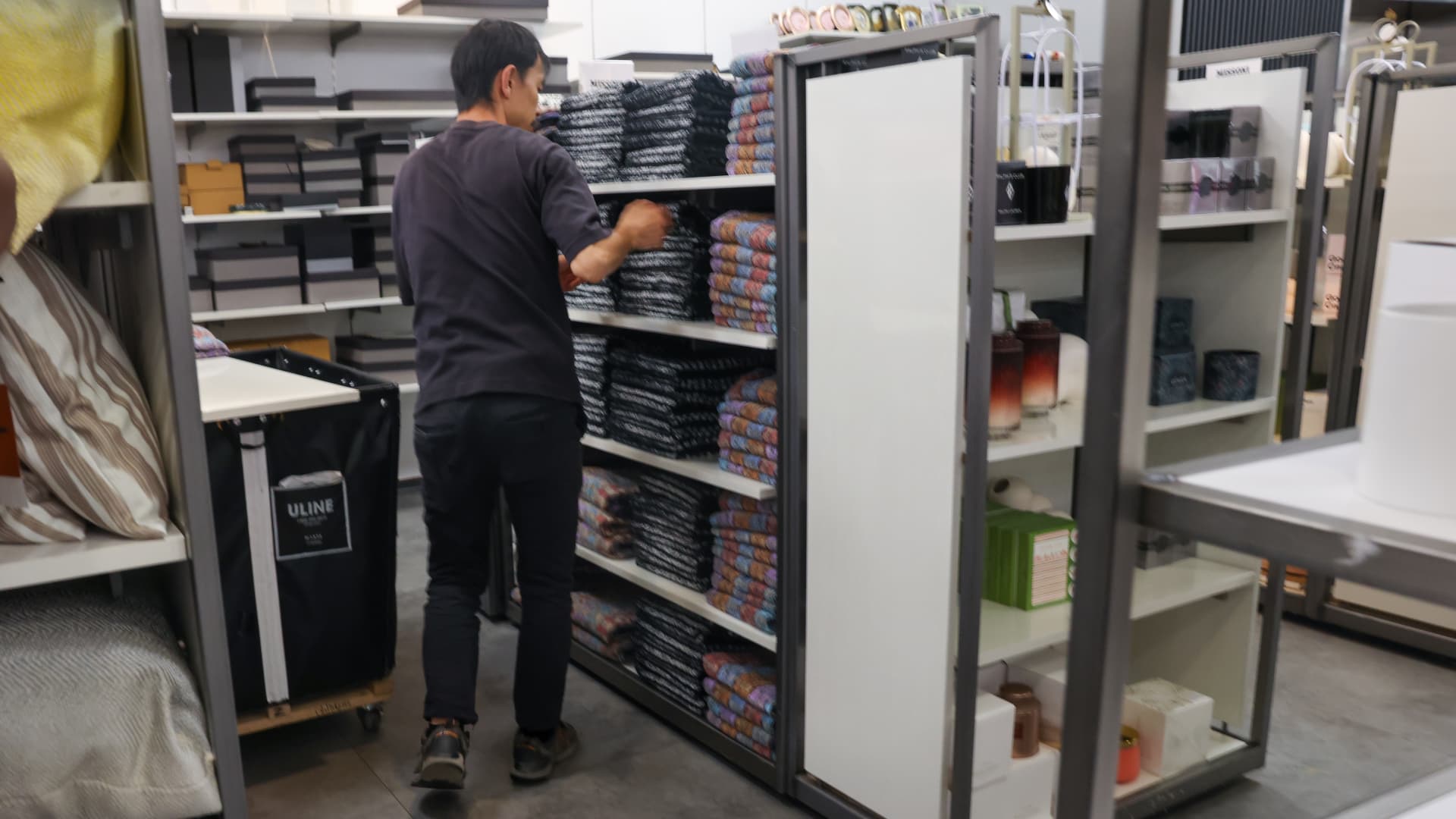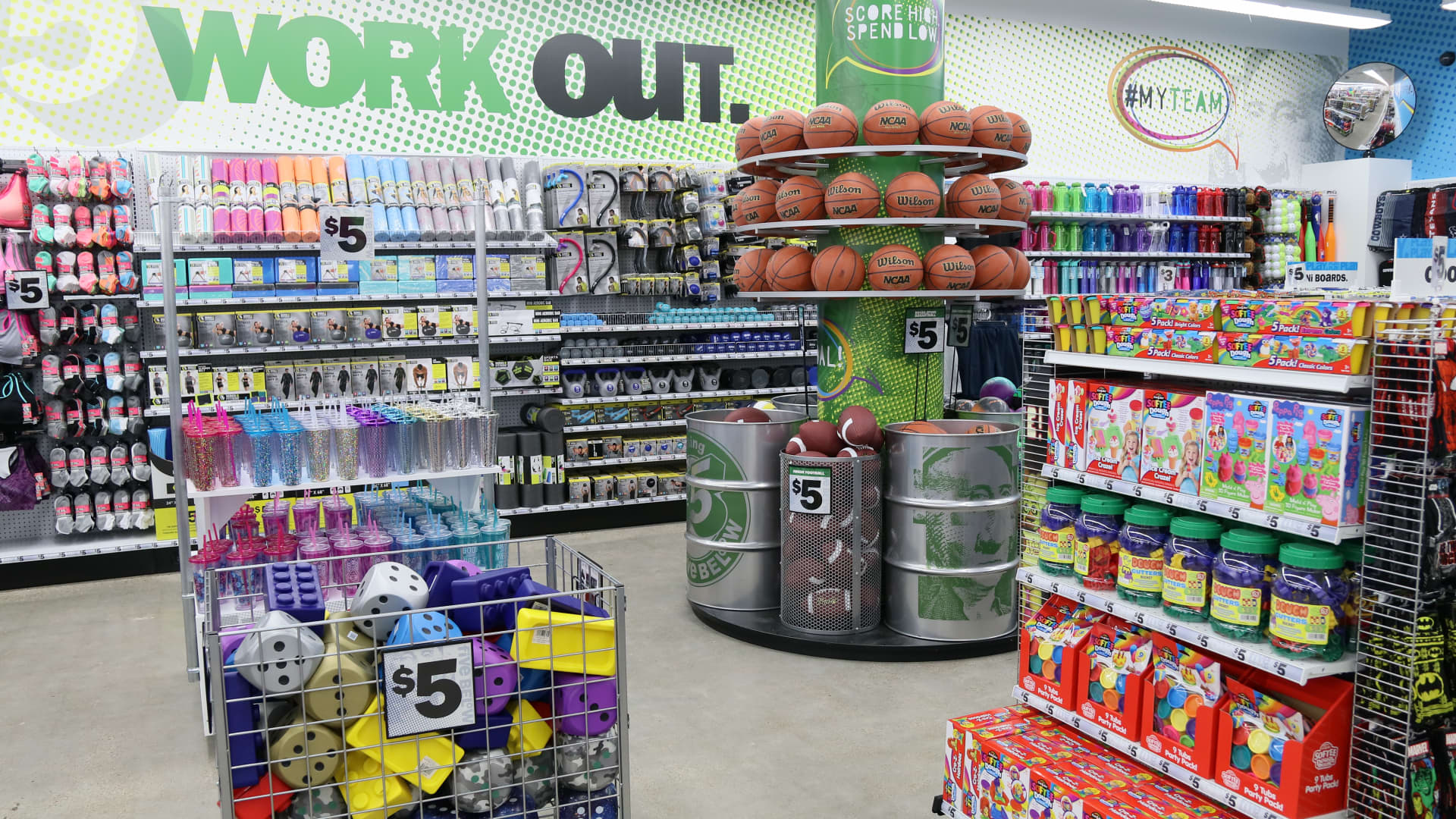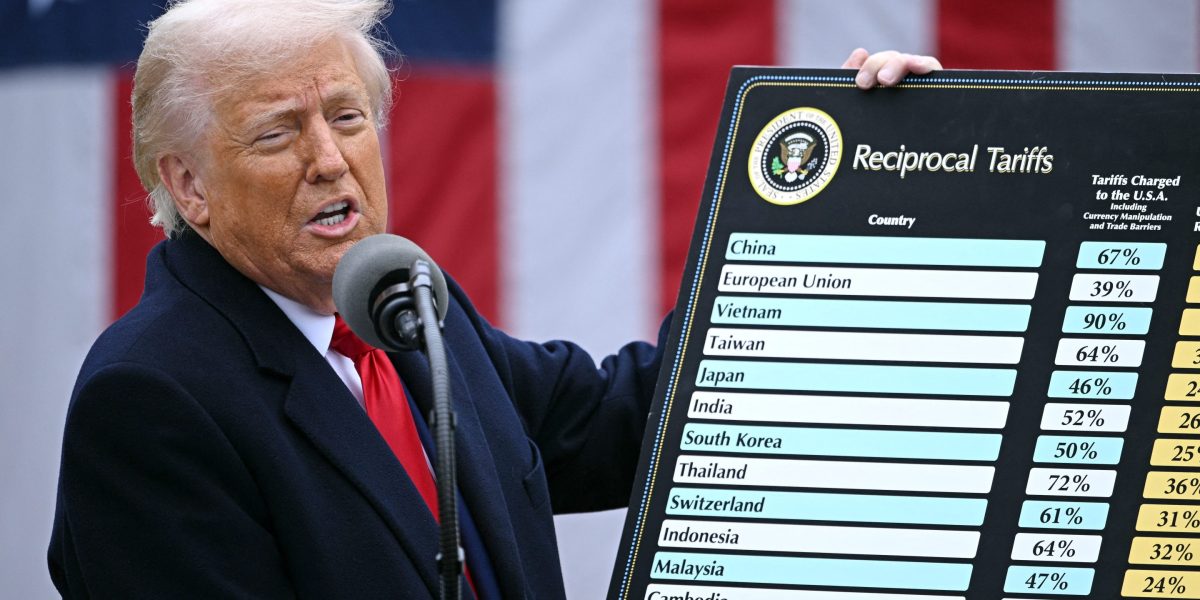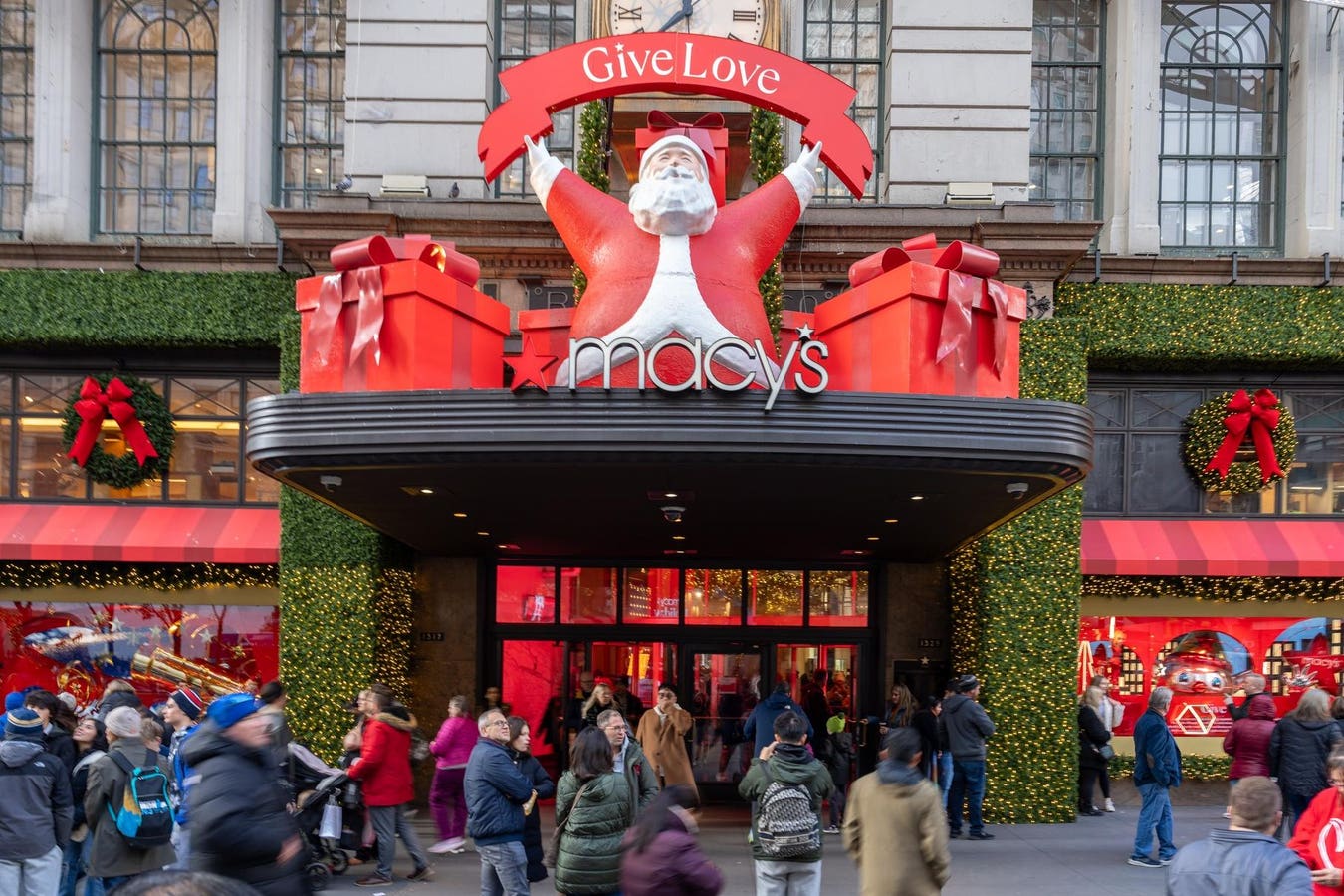
One of the biggest questions for retailers this holiday season will be how to compare results year over year due to the impact of tariffs.
“This is truly unknown,” Dana Telsey, CEO and chief research officer of the Telsey Group, told CNBC. “Companies, when speaking, are giving a wide range of price increases, and those price increases are not taken across the board, but only on a select number of items.”
According to Telsey, investors shouldn’t be surprised if companies are asked to divulge what was the unit increase versus the sales increase because many retailers may be selling fewer items, but that will be masked by rising sales from the tariff-related price hikes.
Take September’s consumer price index, even with the tariffs, it showed inflation holding at 3%, slightly lower than the 3.1% Dow Jones consensus estimate.
“CPI, I honestly think it’s a little circular,” said Oliver Chen, an analyst at TD Cowen. “The CPI has a lot to do with what the [Federal Reserve] may do with inflation, and then the retail stocks move off of that. But I think retailers and companies are looking at all of this, because if, for some reason, we have to pay much more for necessities, we will not have money for ... a TV and sweaters and stuff.”