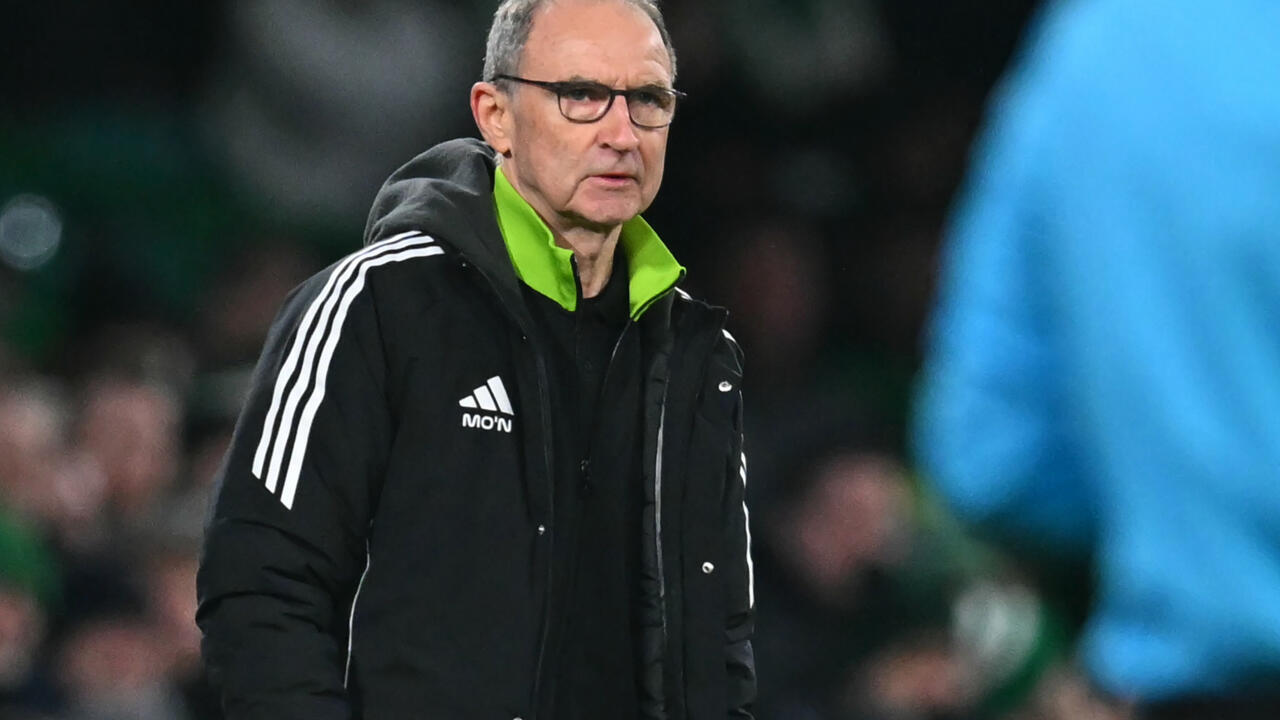
The lack of squad investment had clearly frustrated an habitually successful manager yet he was minded to see out his final season before things got personal
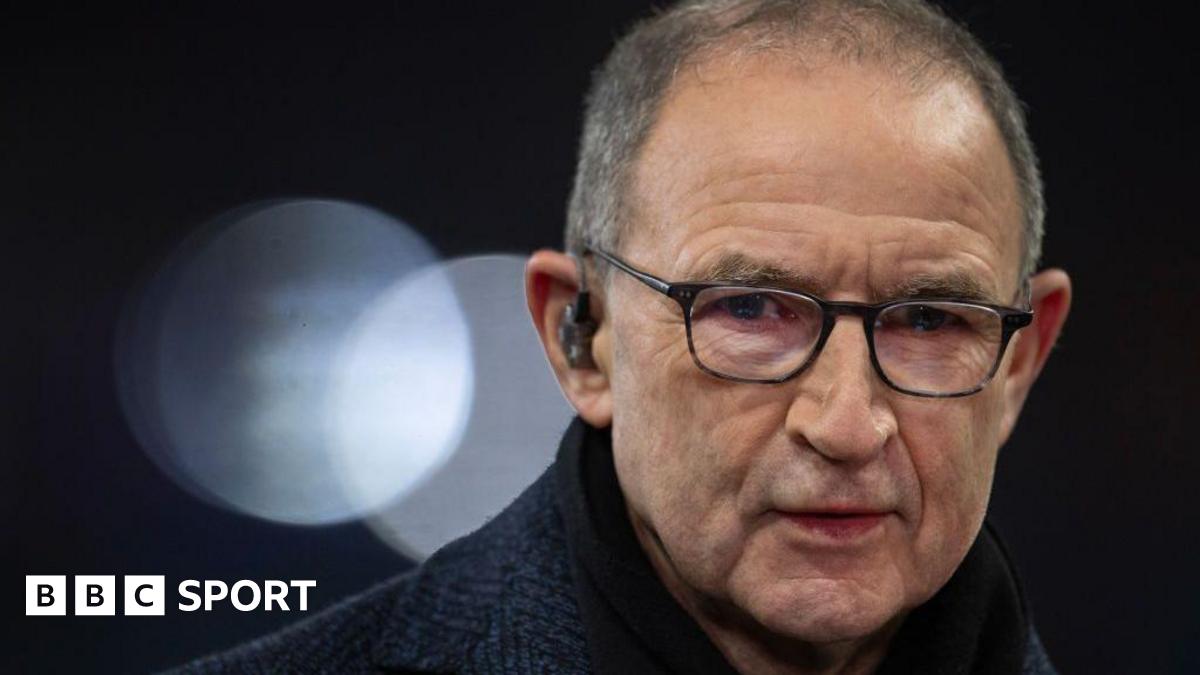
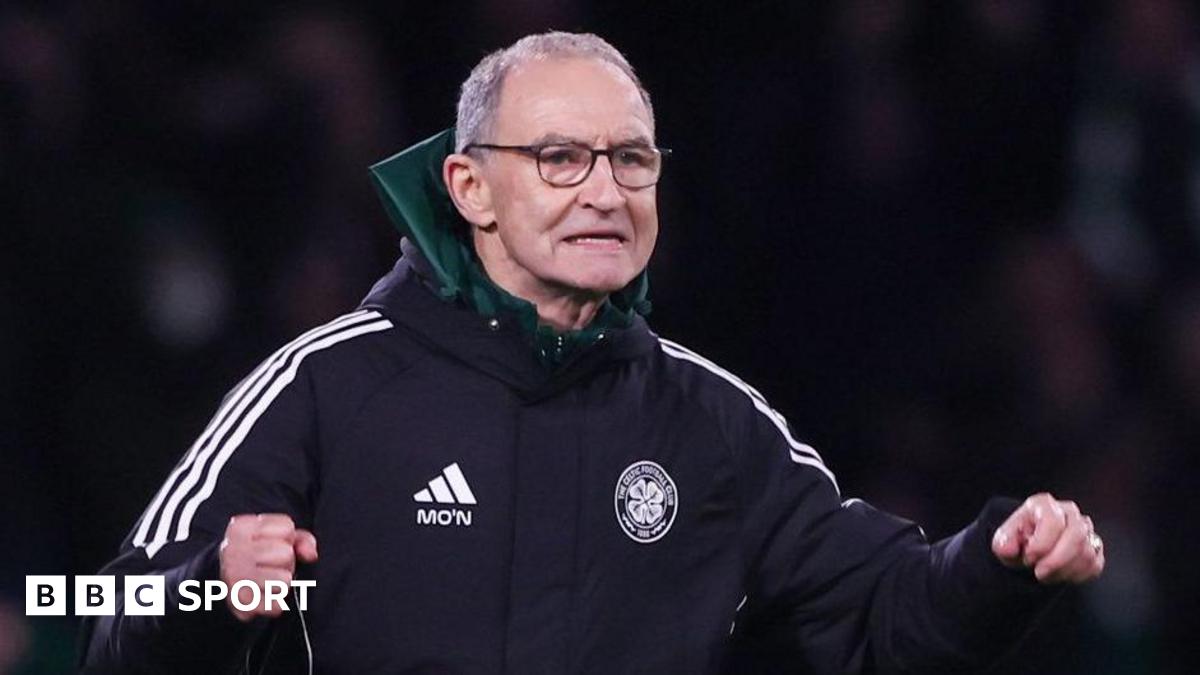
Presumably Martin O’Neill had no inkling of what the coming hours would bring when he used a Monday radio appearance to talk up Hearts’ prospects of winning the Scottish title for the first time since 1960. “This is the time for Hearts,” O’Neill said.
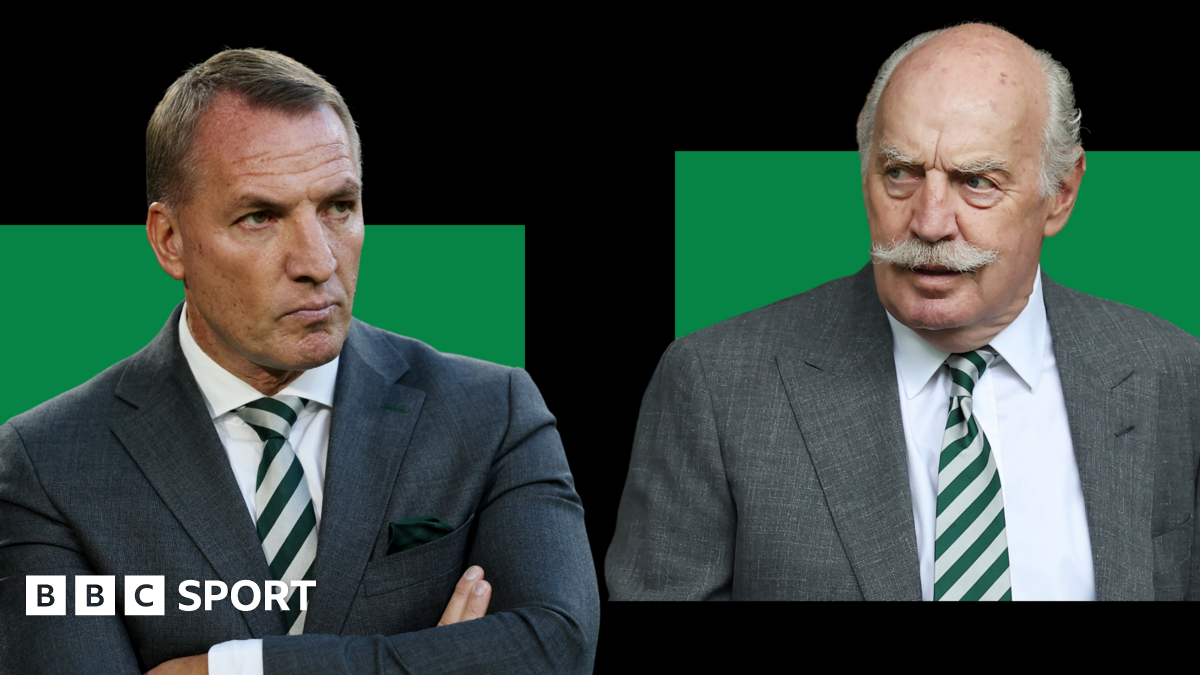
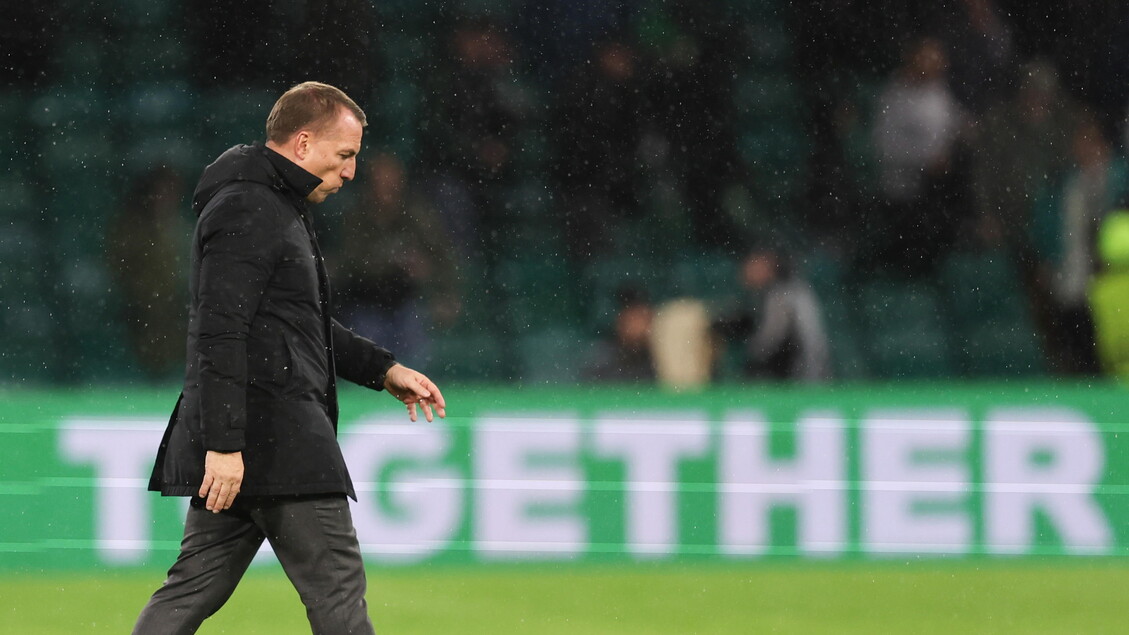
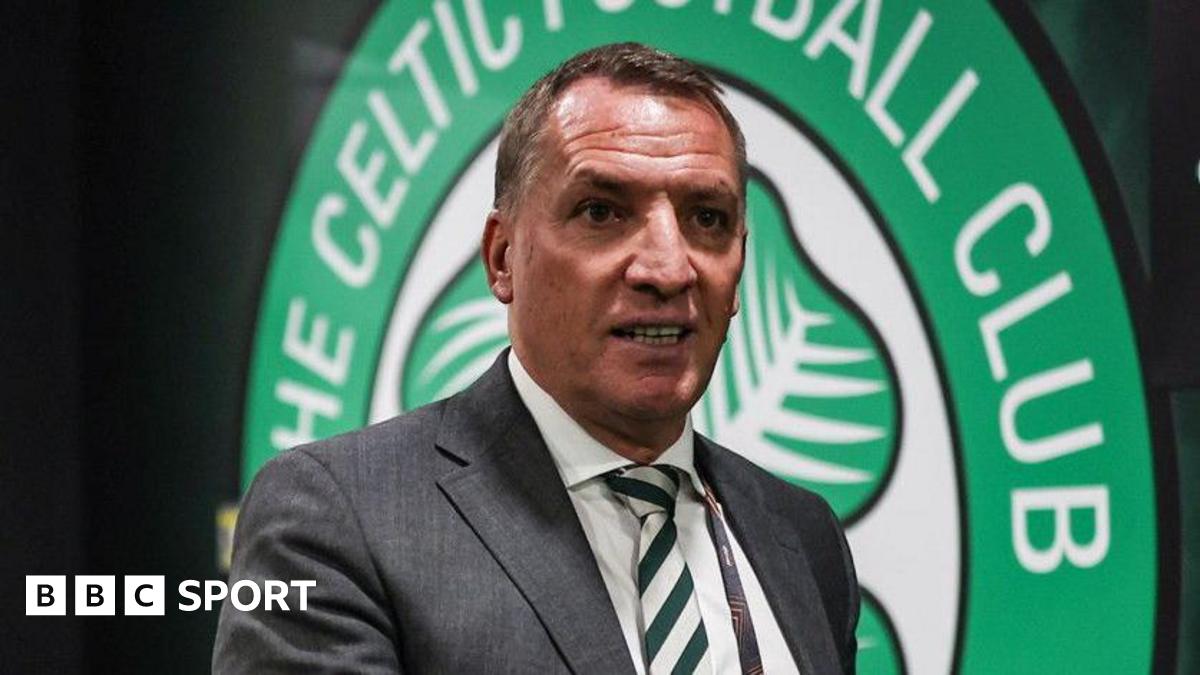
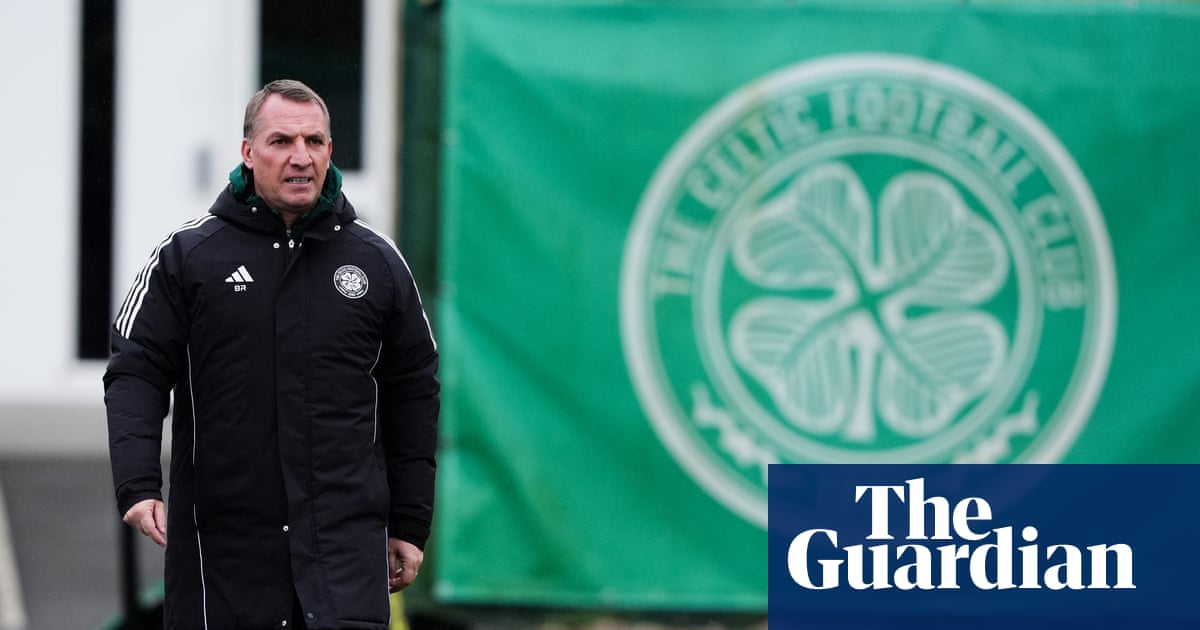
The scale of reverberation around Brendan Rodgers’ resignation is such that even the return of O’Neill to the Celtic dugout is not the most dramatic element. Instead, the lesser‑spotted Dermot Desmond broke cover to lacerate Rodgers. The attack felt personal and spiteful. This proved a sad and unseemly conclusion to Rodgers’ second spell in Glasgow. So much so, in fact, that the third most successful manager in Celtic’s history cannot now show his face at the stadium. Desmond appears to be a bad enemy to choose.
Desmond’s ferocious sentiment shone a light on recent months inside Celtic Park. The environment was toxic. It does not explain why a manager accused of being “self-serving” and guilty of a breach of trust was simply not removed from office months ago. Desmond’s astonishing words turned heads but they also raise questions. Were Rodgers as egotistical as Desmond portrays, he would have left Celtic immediately after the summer’s botched transfer window. Rodgers could have secured martyrdom with supporters. He instead limped on, with Celtic eight points behind a Hearts team who were well short of their best when seeing off Rodgers and co in Edinburgh on Sunday.