https://arab.news/4t5e8
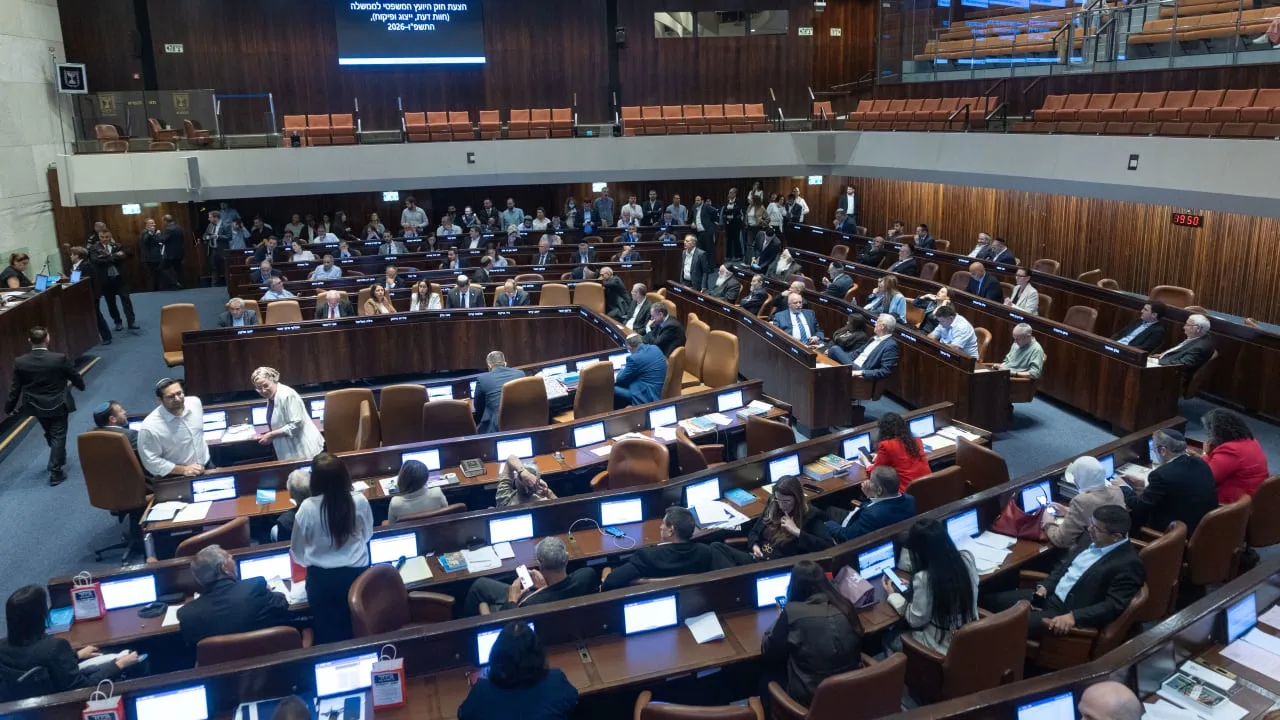
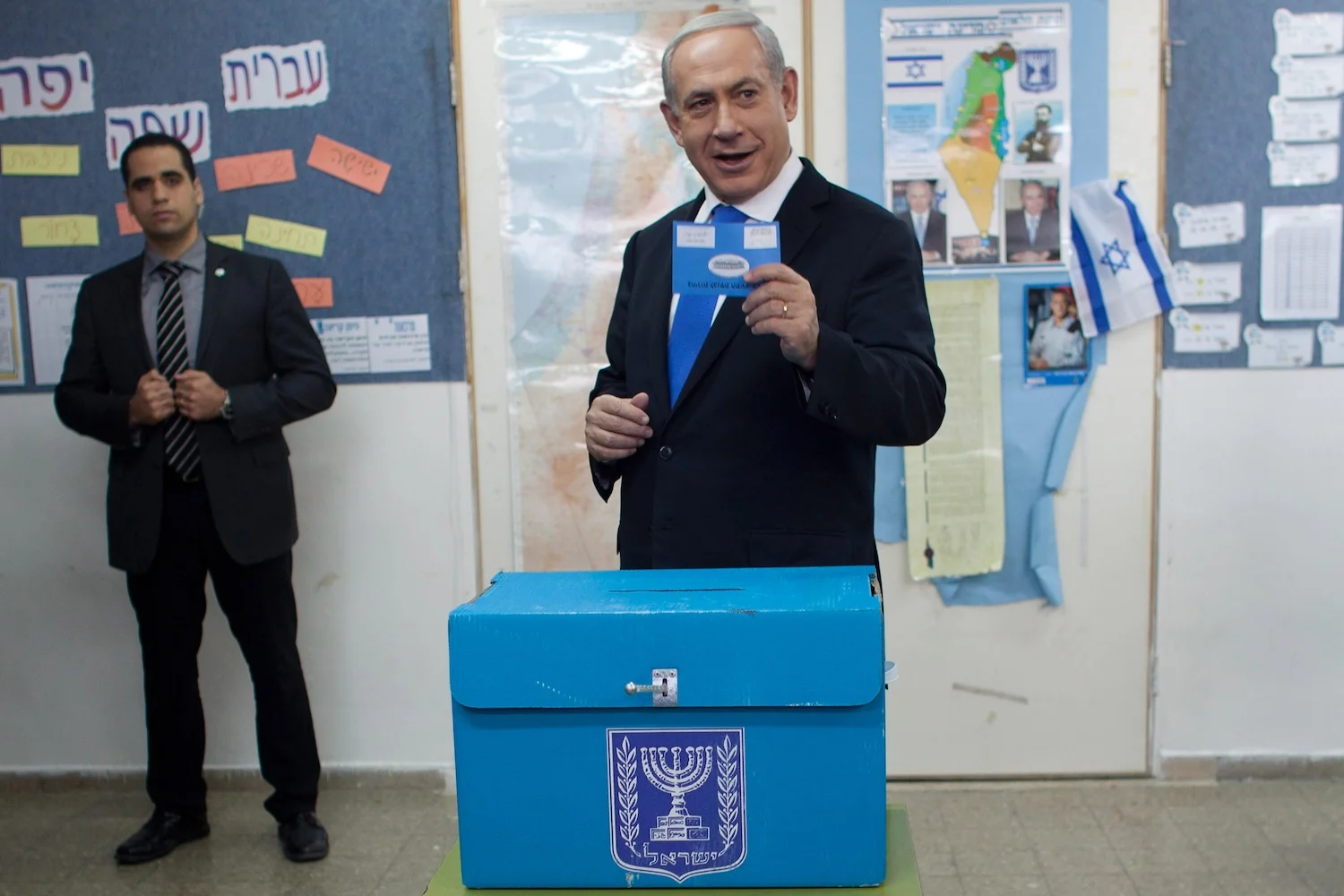
Israel has entered an election year, and when Israelis next go to the polls to elect their representatives in the Knesset they must be aware that this will be one of the most, if not the most, crucial general elections in terms of deciding the future of their country, possibly since its inception.
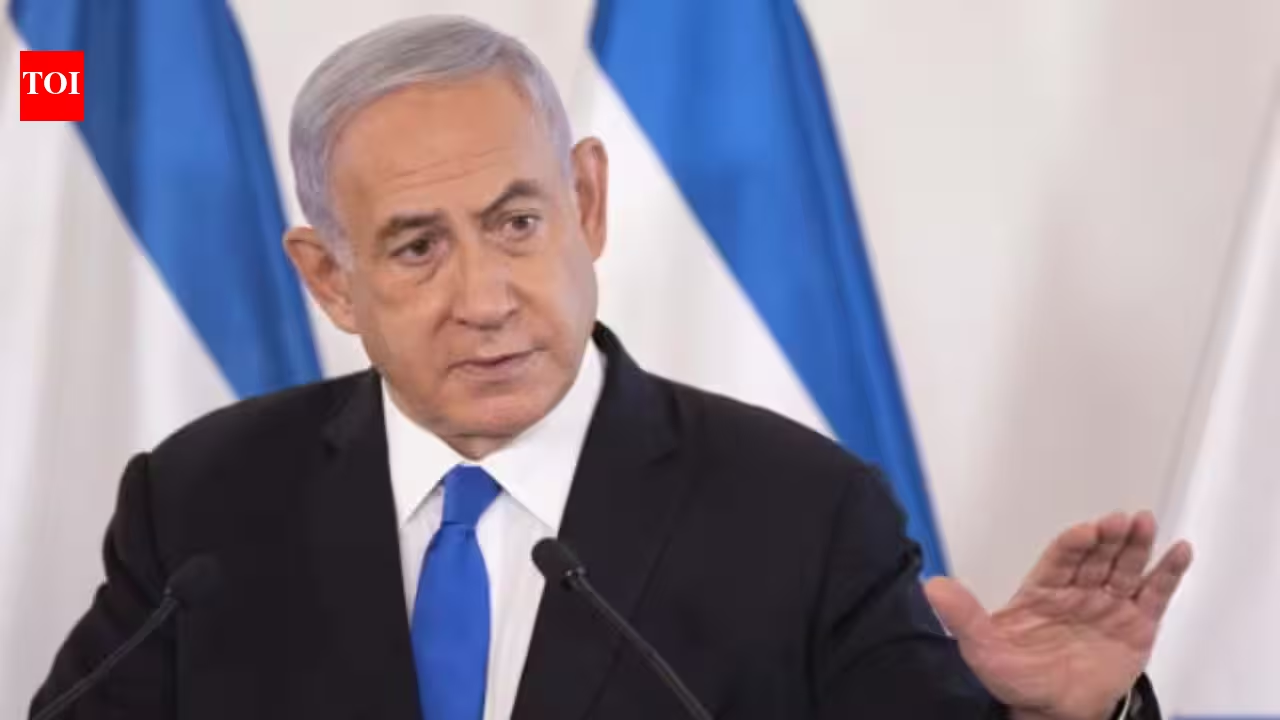
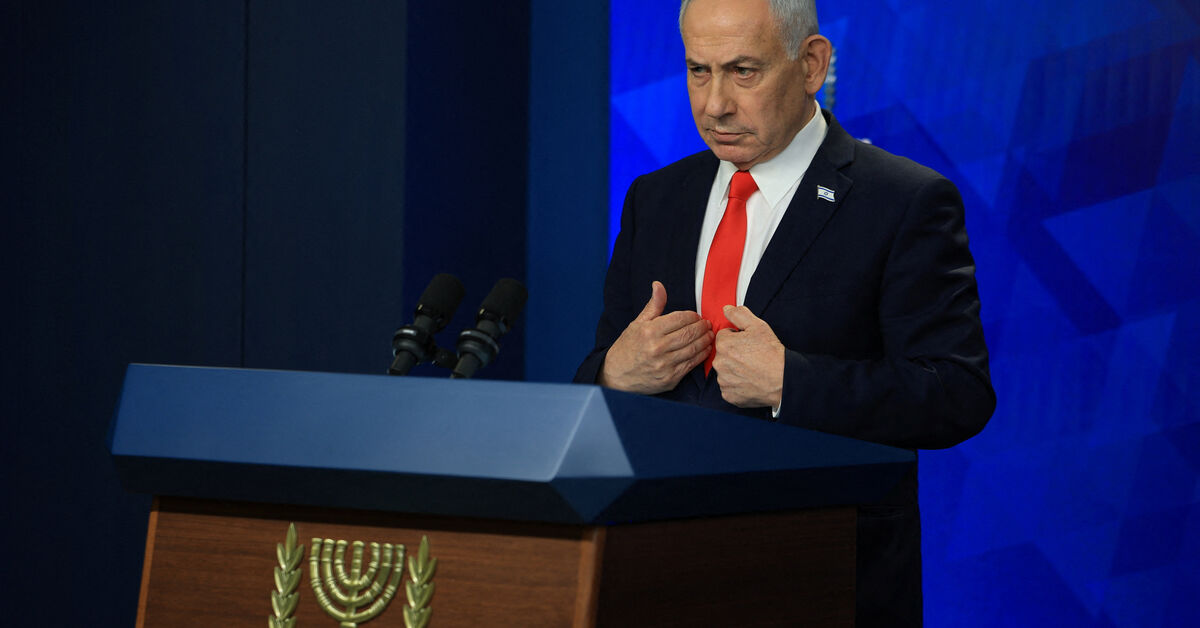
Now that we can cautiously hope that the ghastly war in Gaza is gradually winding down, it is a time of reckoning. It is time for Israeli society to decide who can best represent them in the rebuilding of a country which, after 17 years during most of which Prime Minister Benjamin Netanyahu was in power, is deeply polarized at home and has been left with very few friends and allies abroad.
Election law dictates that a general election must take place no later than Oct. 27 next year but the Knesset can set an earlier date. It is hard to contemplate the prospect that even such a brazen, cynical and autocracy-prone prime minister as Netanyahu, aided by his bunch of antidemocratic and war-mongering political allies, would attempt to postpone the election — or even cancel it.
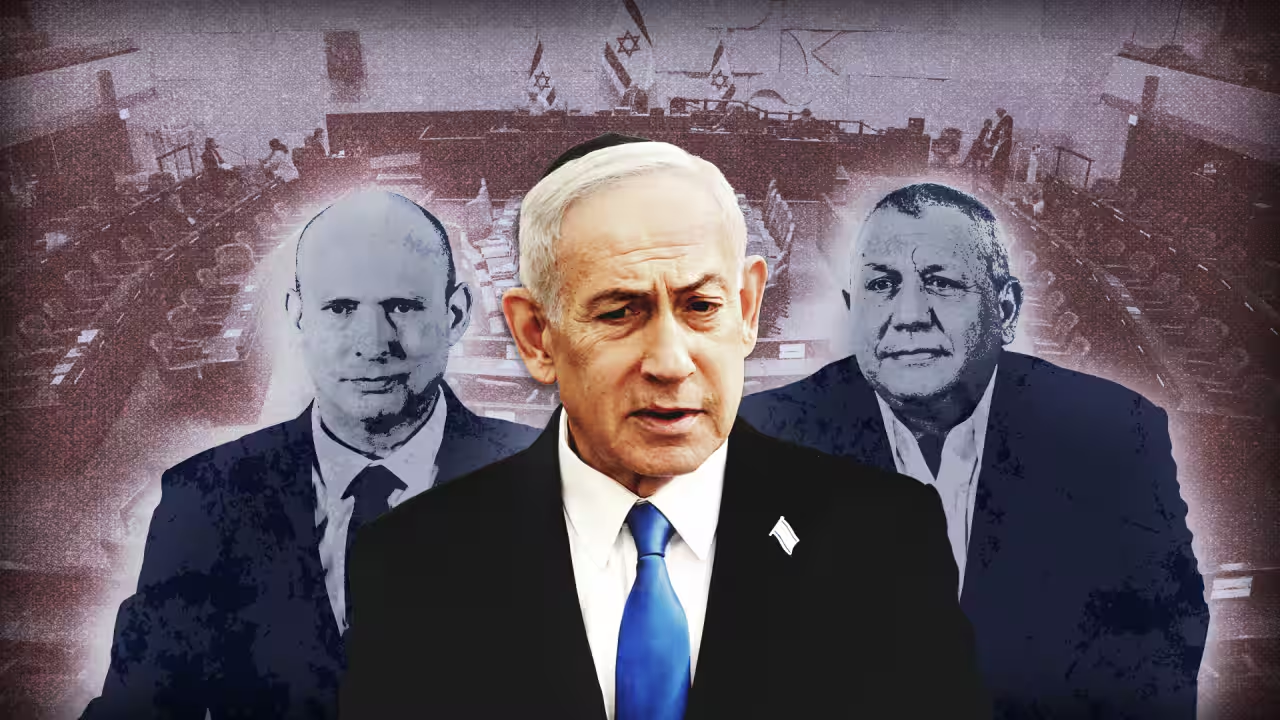
A government asks voters to reelect it based on its record. An opposition stands on its potential to do better. But the next election in Israel will not be the normal bout of political wrangling between opponents over merely making a few adjustments to the course of the country.