From an afterlife fantasy to a tale of loss in Mumbai, death is a recurring theme in this story collection – an echo of the novelist at his peak
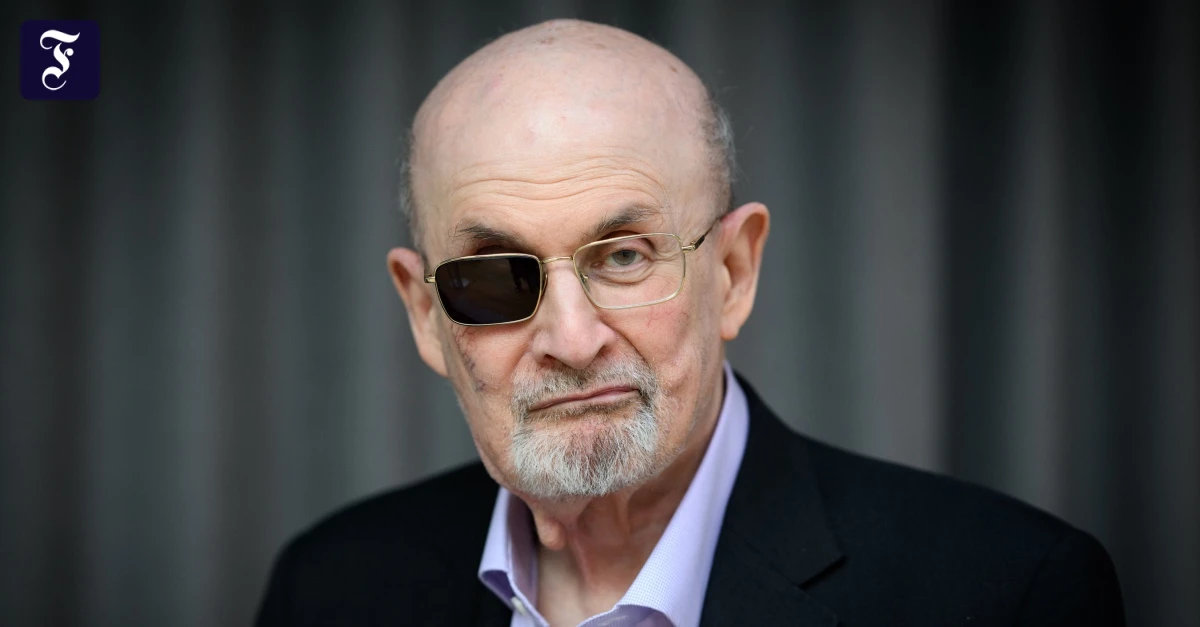
Towards the end of Knife, his 2024 book about the assault at a public event in upstate New York that blinded him in his right eye, Salman Rushdie offers a thought experiment:
Imagine that you knew nothing about me, that you had arrived from another planet, perhaps, and had been given my books to read, and you had never heard my name or been told anything about my life or about the attack on The Satanic Verses in 1989. Then, if you read my books in chronological order, I don’t believe you would find yourself thinking, Something calamitous happened to this writer’s life in 1989. The books are their own journey.
Extraordinary if true – but though the buoyant surface of Rushdie’s prose has betrayed little overt evidence of his status as the Ayatollah Khomeini’s marked man, the novels nonetheless track his trauma and its aftermaths faithfully. The first he published after the fatwa, 1995’s The Moor’s Last Sigh, begins with Moraes Zogoiby running for his life from unknown “pursuers”. Fury (2001), published after the Iranian president Mohammad Khatami declared the fatwa “finished” in 1998, is transparently the giddy, hyped-up novel of a man set free. Shalimar the Clown (2005) began, as Rushdie tells us, with “a single image that I couldn’t get out of my mind, the image of a dead man lying on the ground while a second man, his assassin, stood over him holding a bloodied knife”. This image, Rushdie says in Knife, was “a foreshadowing”. But it was also a looking backward, at the possible fate that Rushdie was forced to contemplate for years. “I’m a dead man”: this, he tells us in his 2012 memoir Joseph Anton, was the first thing he thought when he heard the news of the fatwa.