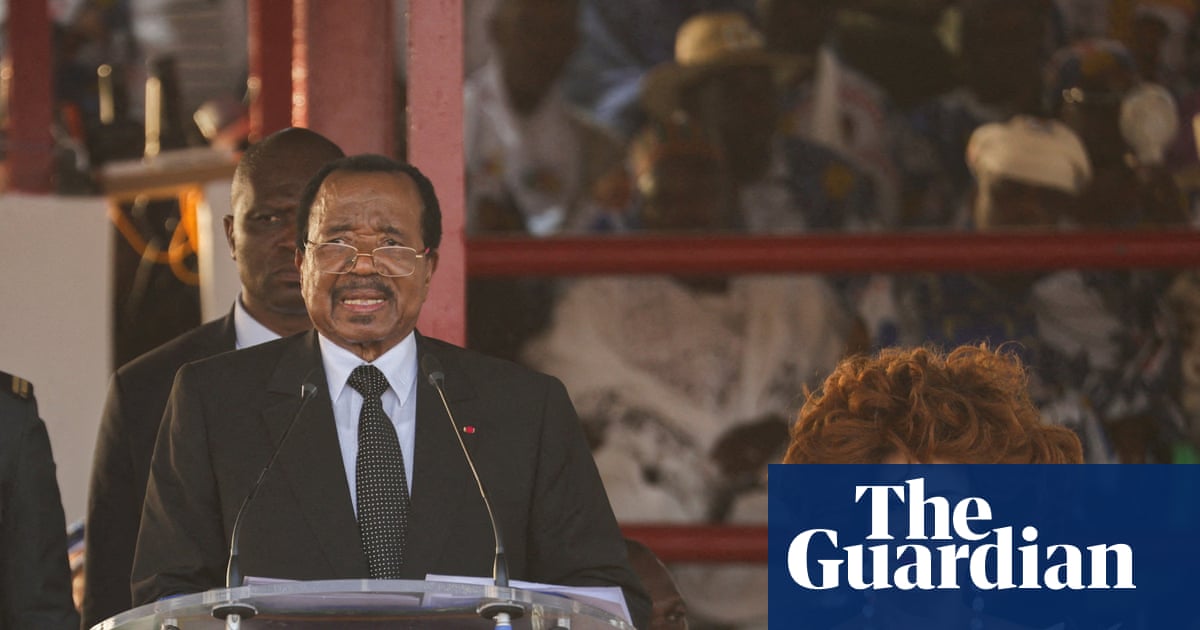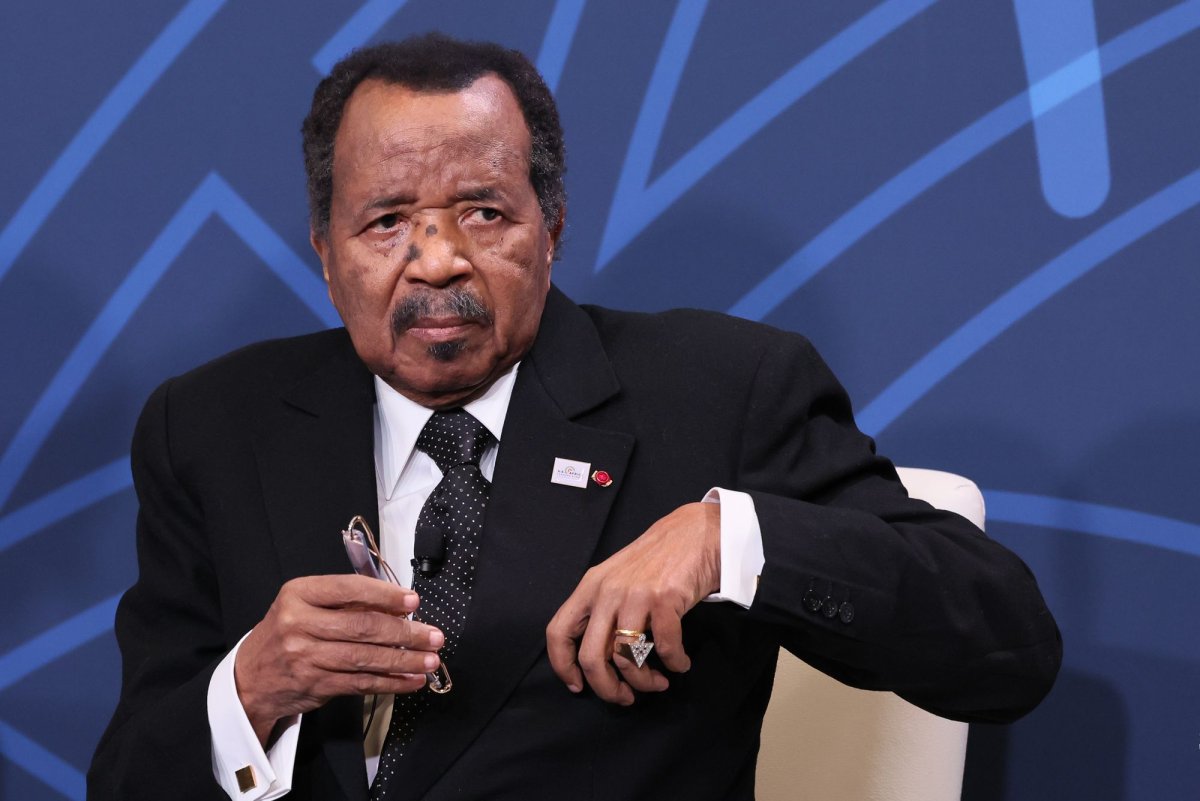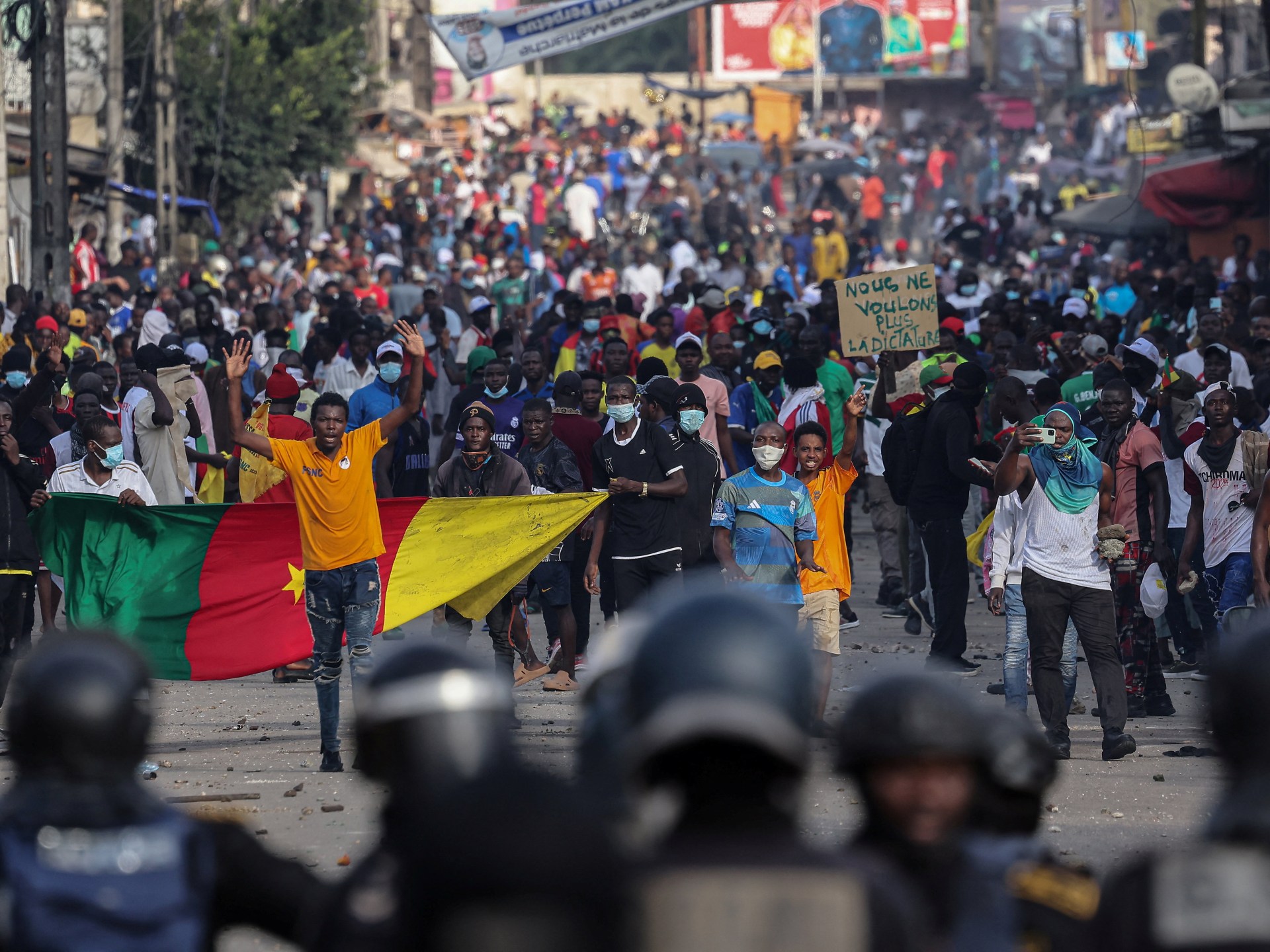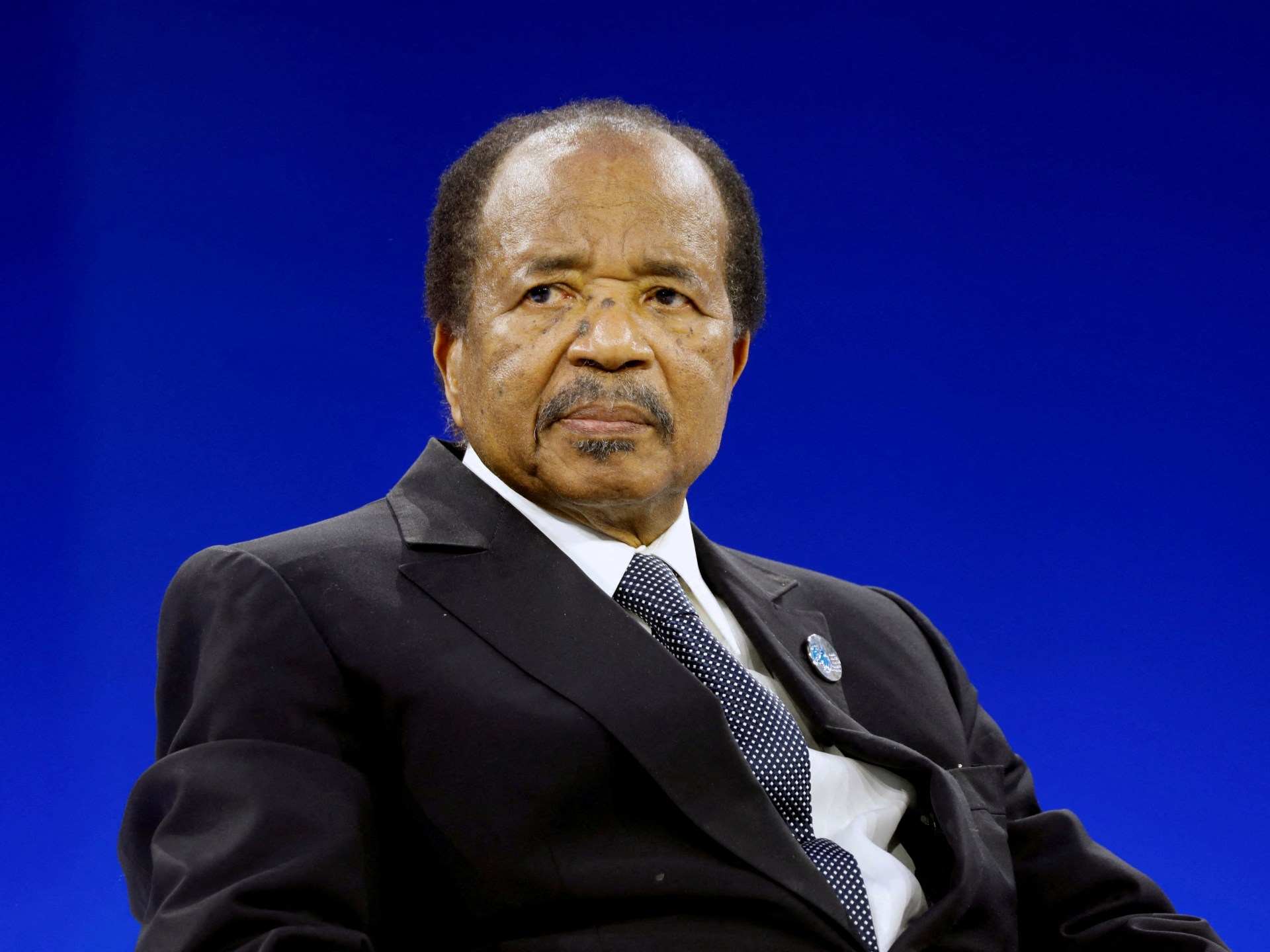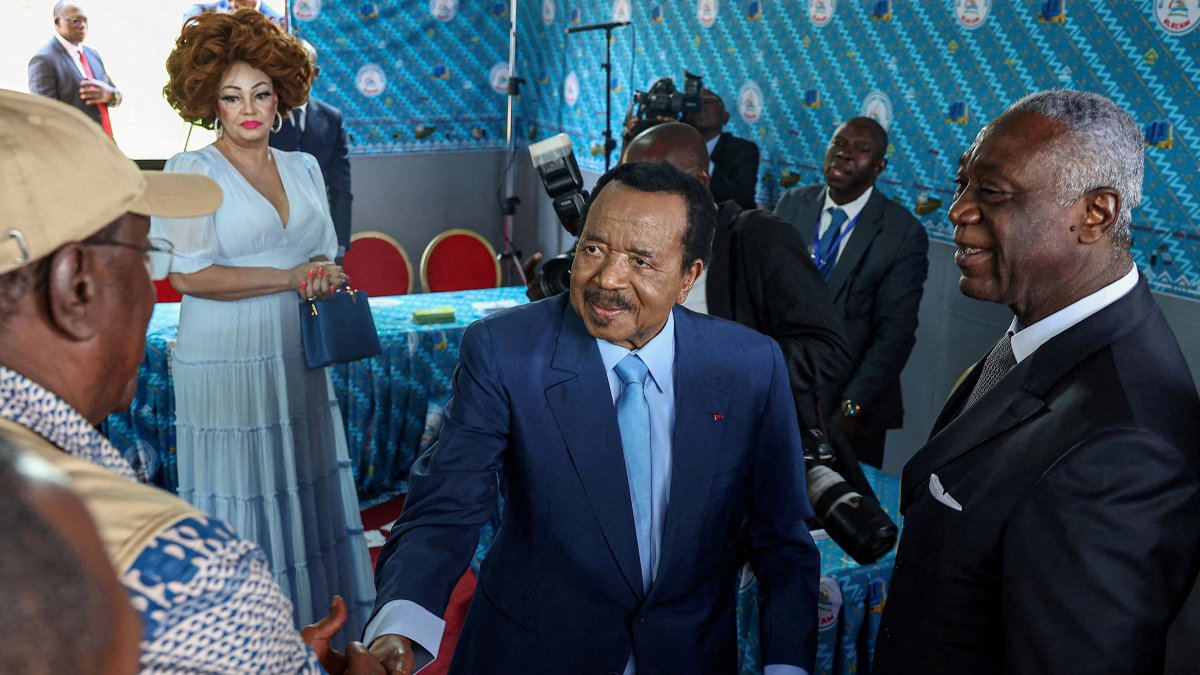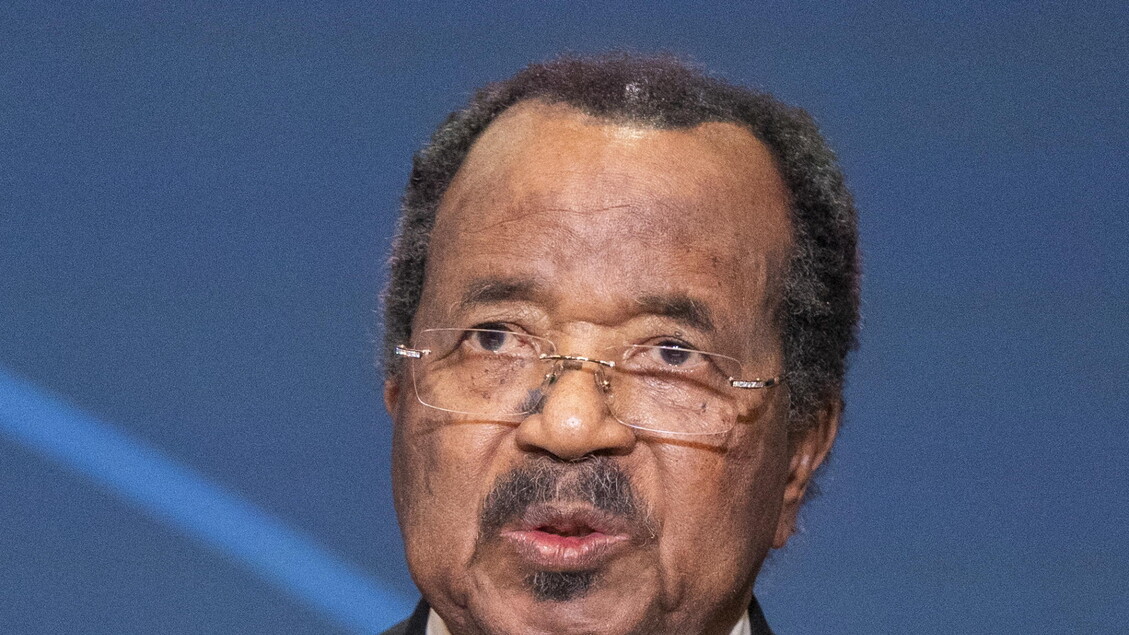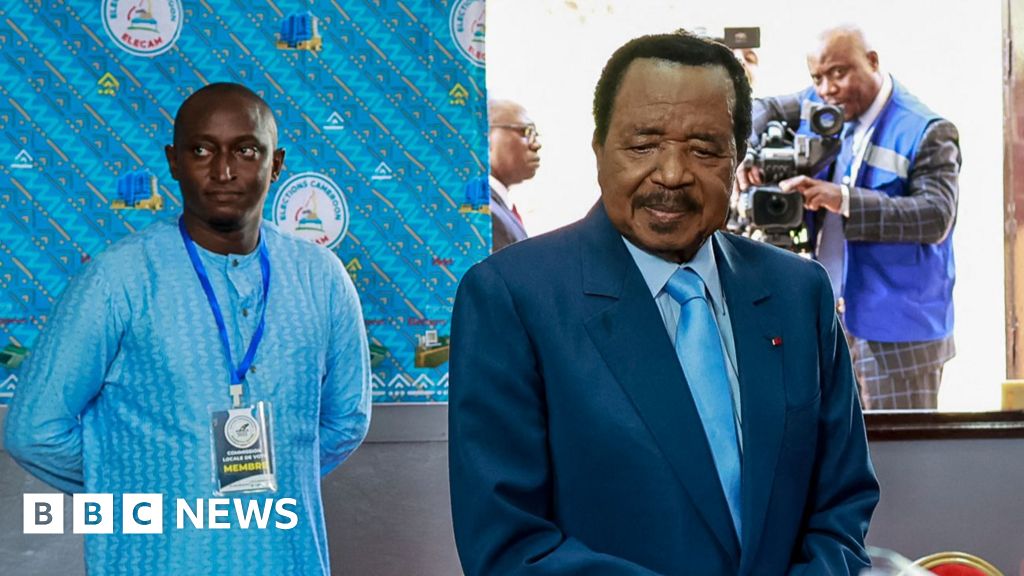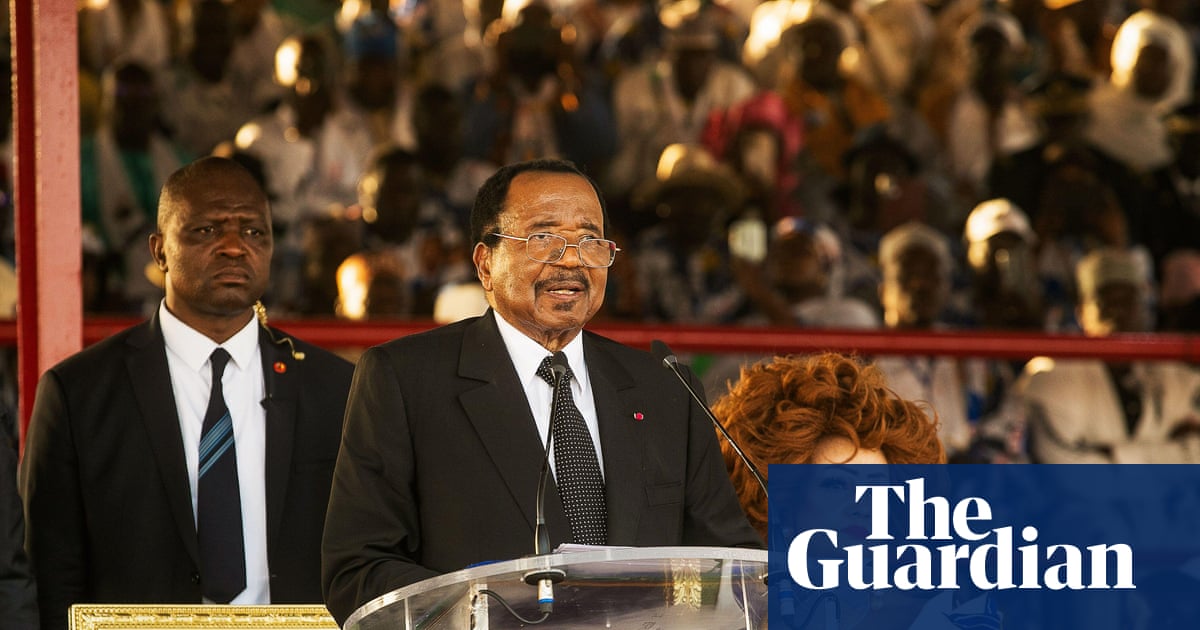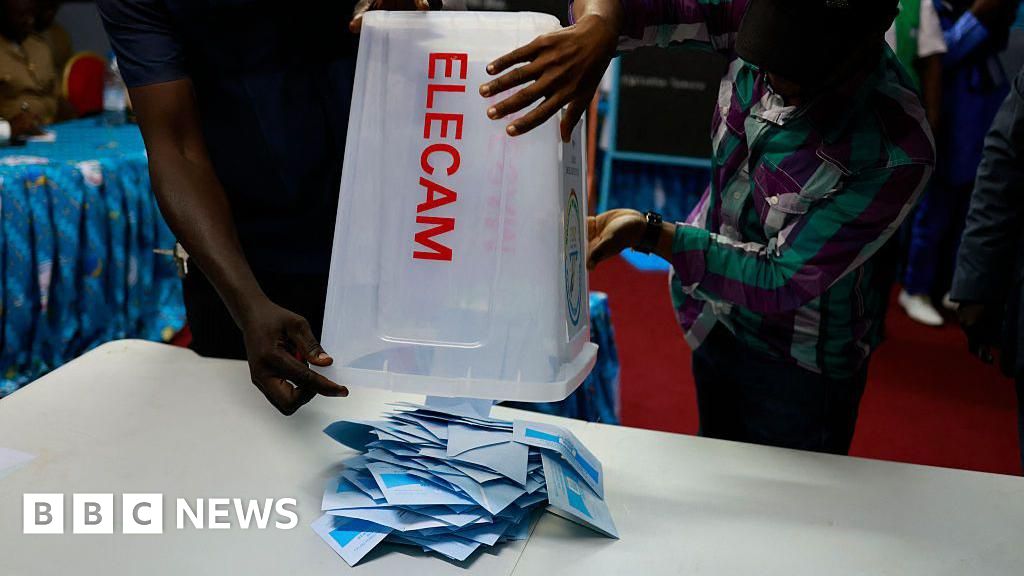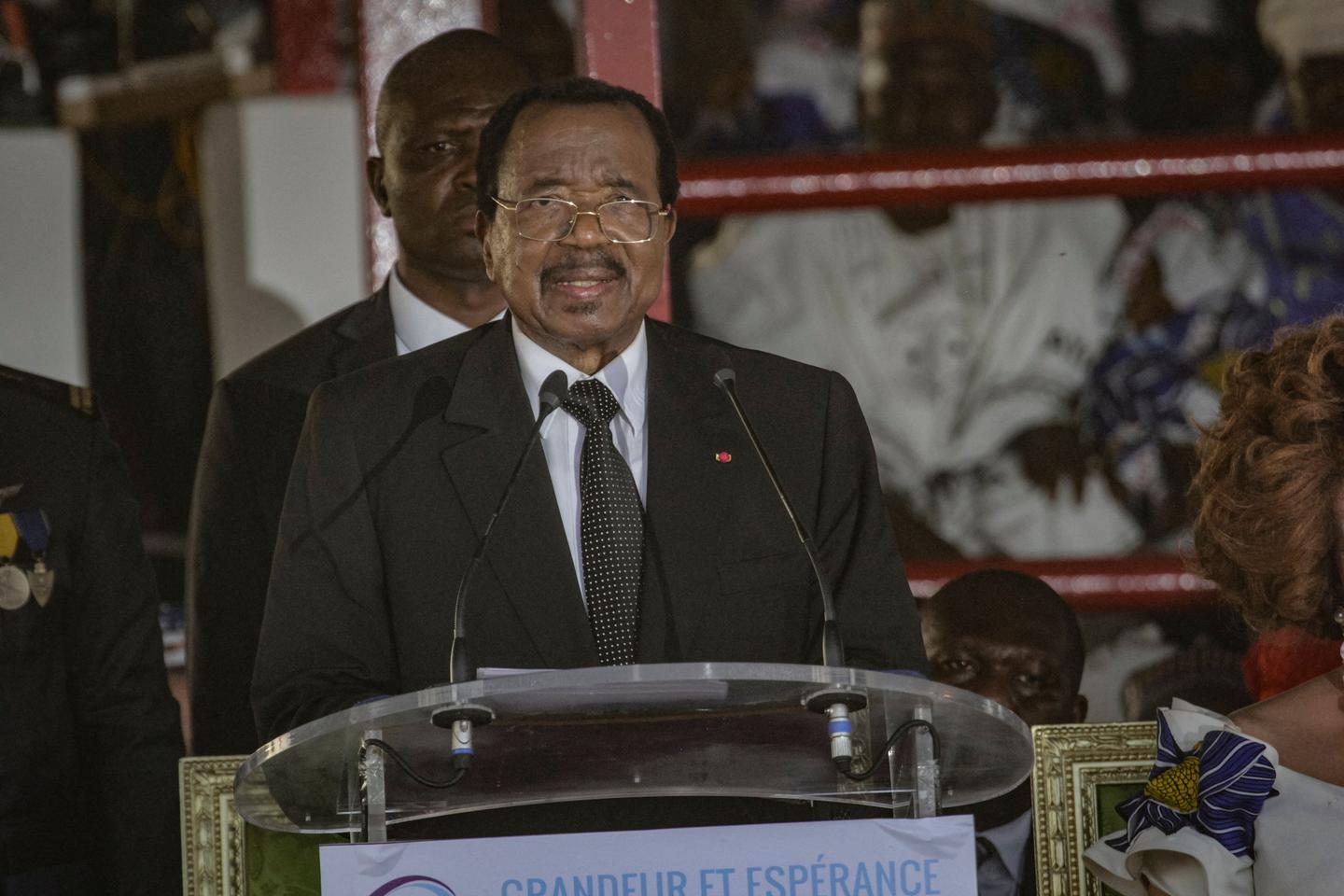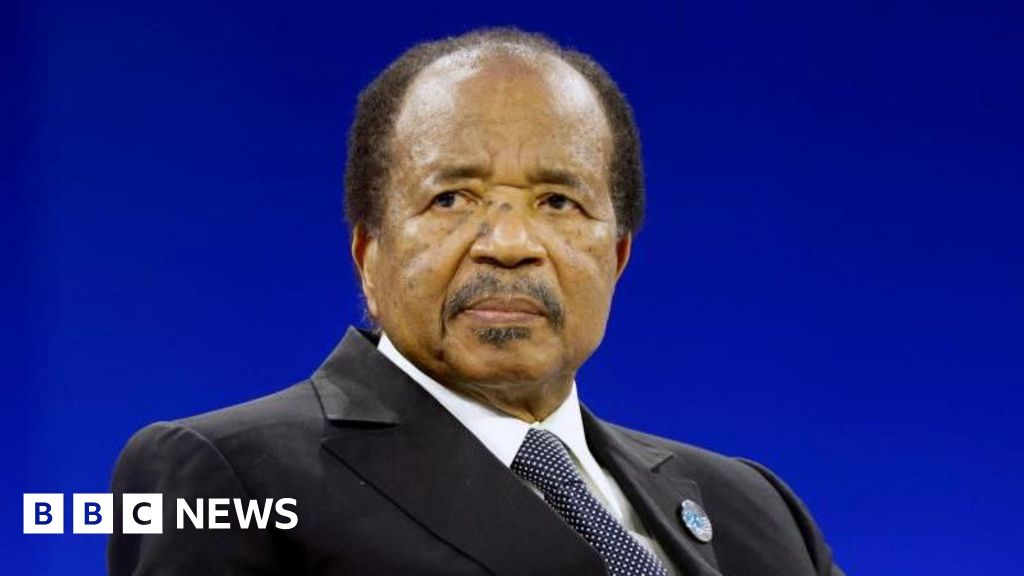
To absolutely no one's surprise, Cameroon's Constitutional Council has proclaimed the re-election of 92-year old President Paul Biya, the world's oldest head of state, for an eighth successive term.
Amid rumours of a close result and claims of victory by his main challenger, former government minister Issa Tchiroma Bakary, excitement and tension had been building in the run-up to Monday's declaration.
The official outcome, victory for Biya with 53.7%, ahead of Tchiroma Bakary on 35.2%, came as both a shock and yet, for many Cameroonians, an anti-climax.
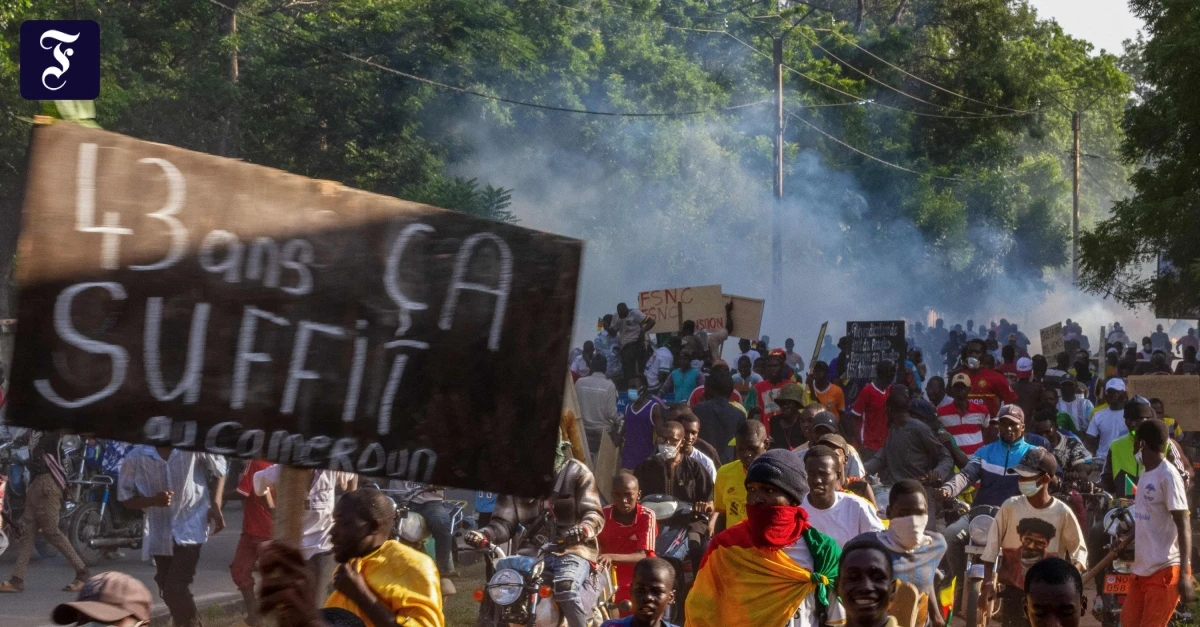
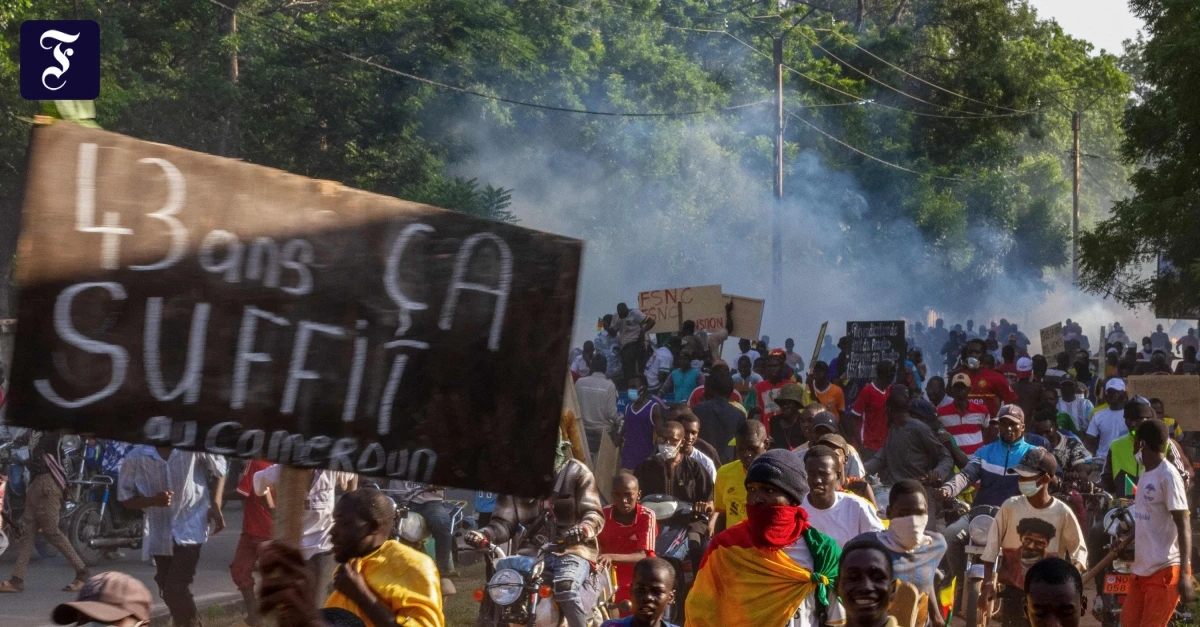
Biya's decision to stand for another seven-year mandate, after 43 years in power, was inevitably contentious,. Not only because of his longevity in power, but also because his style of governance has raised questions.
Extended stays abroad, habitually at the Intercontinental Hotel in Geneva or alternative more discreet locations around the Swiss lakeside city, have repeatedly triggered speculation about the extent to which he is actually governing Cameroon - or whether most decisions are in fact taken by the prime minister and ministers or the influential secretary general of the presidency, Ferdinand Ngoh Ngoh.