We don’t always know when we’re asleep or awake. This can affect how rested we feel
In 2018, Hannah Scott, a sleep researcher at Flinders University, waited for a woman to fall asleep.
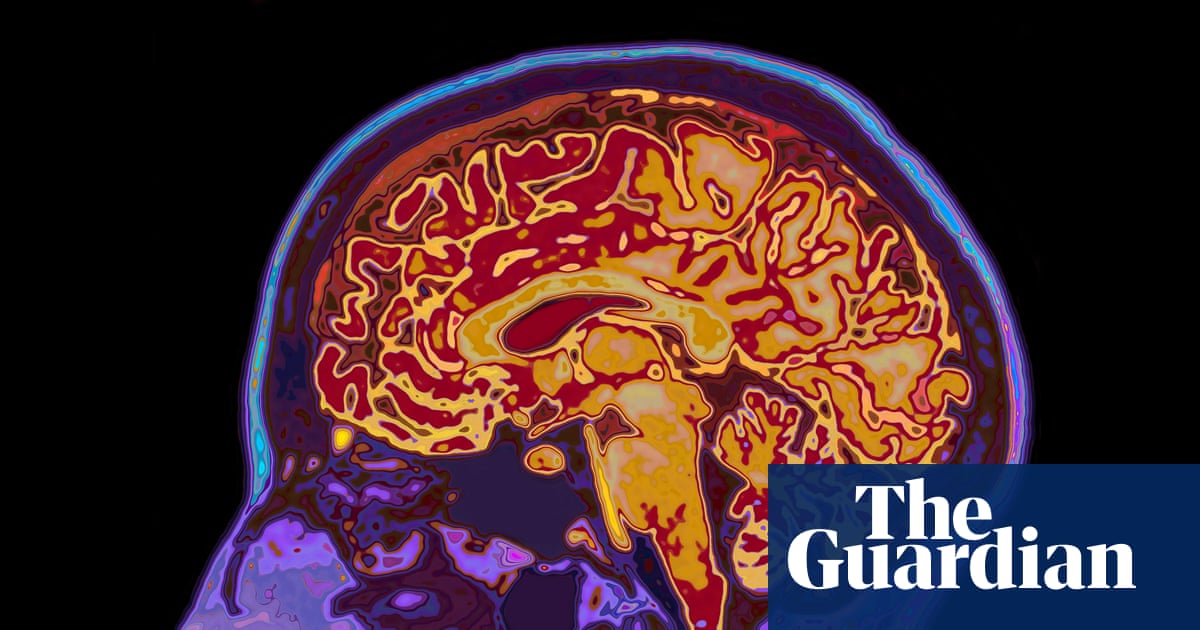
This can take time when the subject is connected to equipment measuring brain activity, eye movement, heart rate and muscle activation. But about 30 minutes after the woman closed her eyes, Scott saw the telltale signs of sleep from the electroencephalogram, or EEG: a shift to lower-frequency brainwaves.
The woman progressed into deep sleep, and “was there for quite a while”, Scott said. Then, the woman suddenly woke up, saying she had to go to the bathroom. As Scott detached her from the machines, the participant apologized, saying she felt terrible she hadn’t been able to fall asleep yet.
“She was absolutely adamant that she hadn’t slept,” Scott said, who had just watched her sleeping.