https://arab.news/928v2
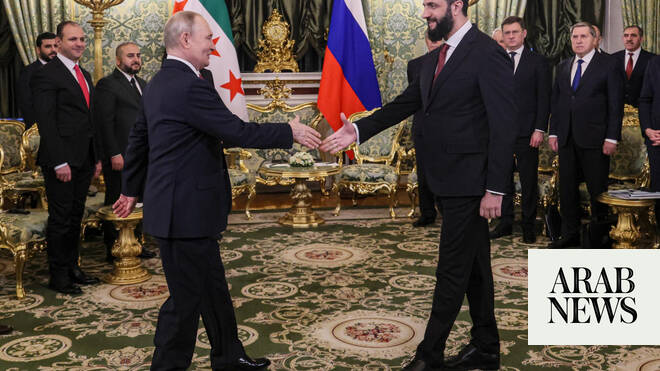
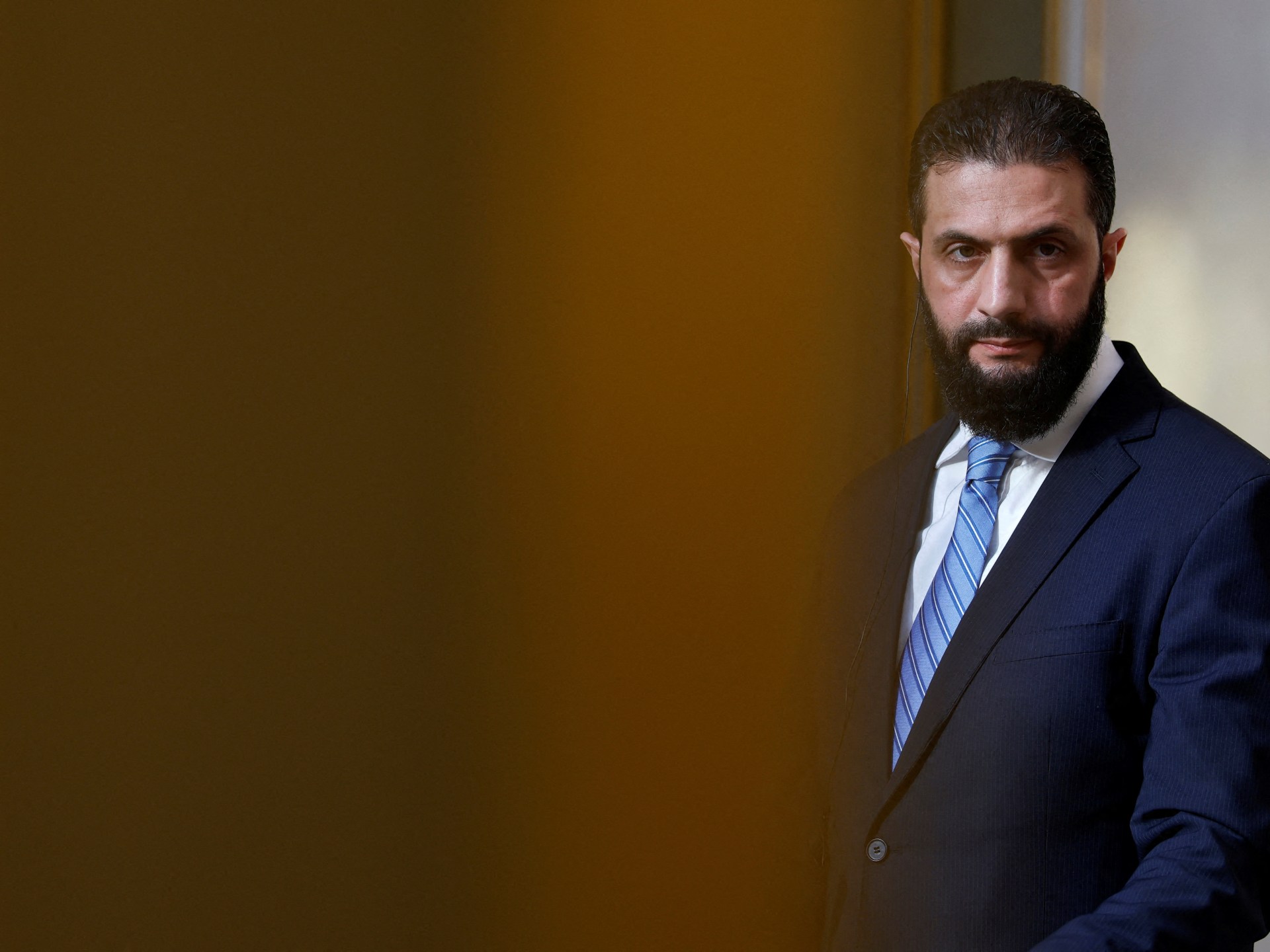
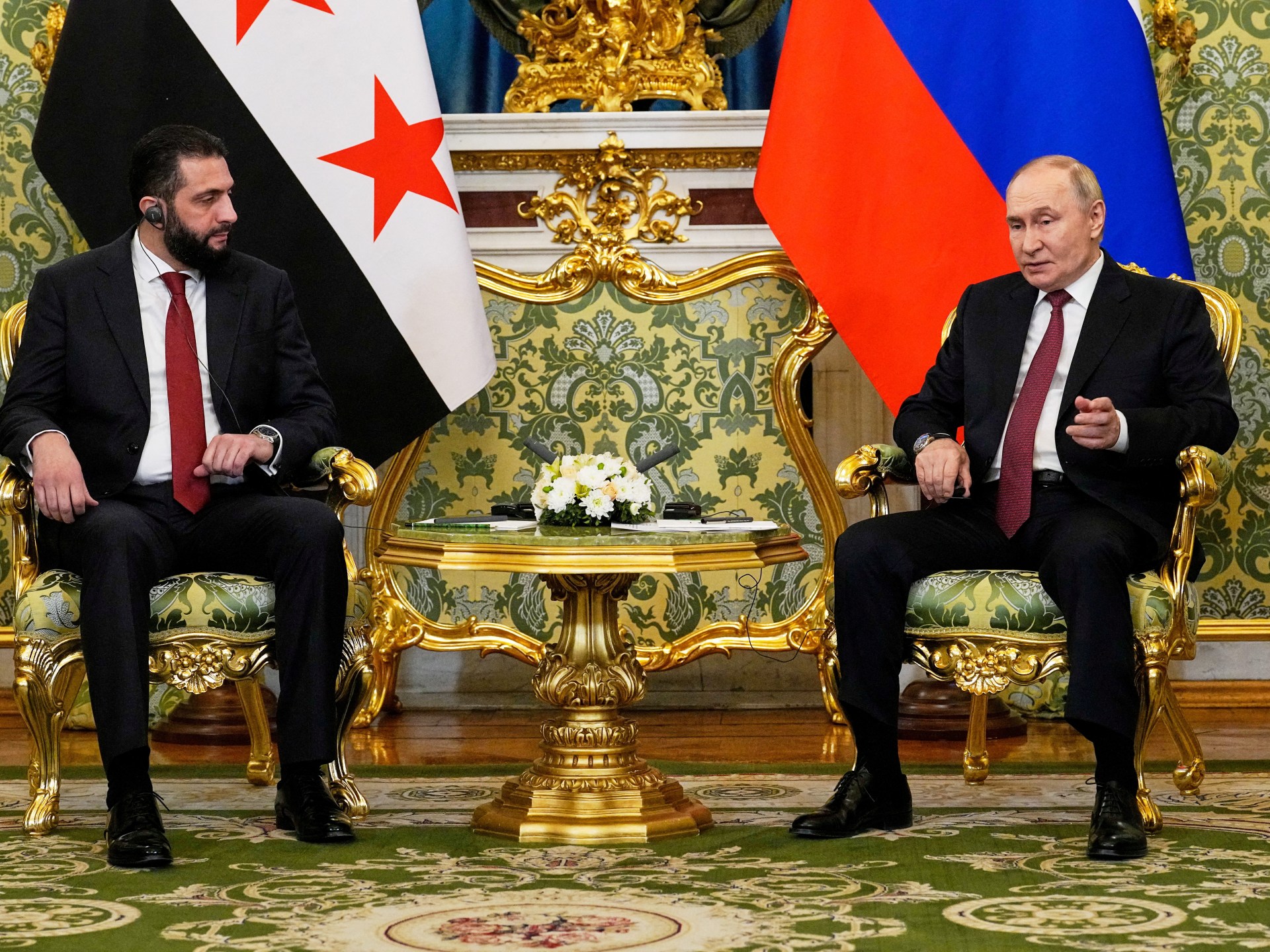
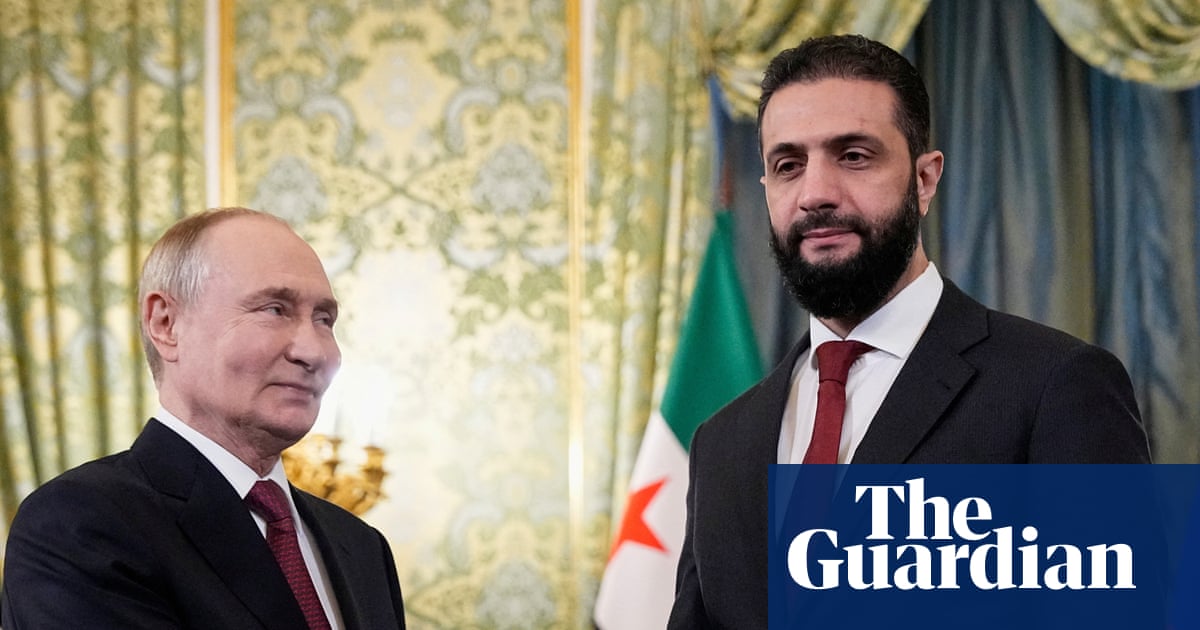
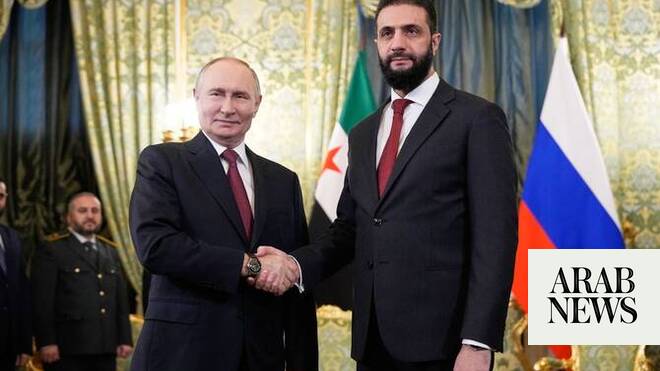
Vladimir Putin last week rolled out the red carpet for Syria’s interim President Ahmad Al-Sharaa. For years, Al-Sharaa had fought to overthrow the Russian-backed Bashar Assad. Now, Putin has welcomed with open arms the man who toppled his closest regional ally, while Assad remains in hiding somewhere in the Russian capital, granted asylum after fleeing Syria last December.
Days before Al-Sharaa’s visit, Moscow had postponed its flagship Russia-Arab summit after only two of 22 invited leaders confirmed their attendance. The Kremlin viewed the summit as one of the year’s most important foreign policy initiatives, a chance to signal that Russia still commands support and influence across the Arab world.
The empty chairs tell a different story and Al-Sharaa’s welcome demonstrates Russia’s acceptance, however begrudging, of realpolitik. In the meeting, the Syrian president was clear that his administration seeks to “restore and redefine” the relationship on new terms that respect its sovereignty and independence. Moscow, despite its loyalties to the former regime, chose to ensure the continuation of the two countries’ “special” relationship.
Russia has also attempted to curry Arab favor with increasingly sharp rhetoric on Israel, in what appears to be an effort to undercut the US at a pivotal moment for the nation’s policy in the Middle East. But the Kremlin failed to expand Russia’s diplomatic role. Arab states appear to prefer US President Donald Trump’s transactional approach and concrete outcomes, which culminated in this month’s ceasefire deal between Hamas and Israel, over rhetoric and symbolism.