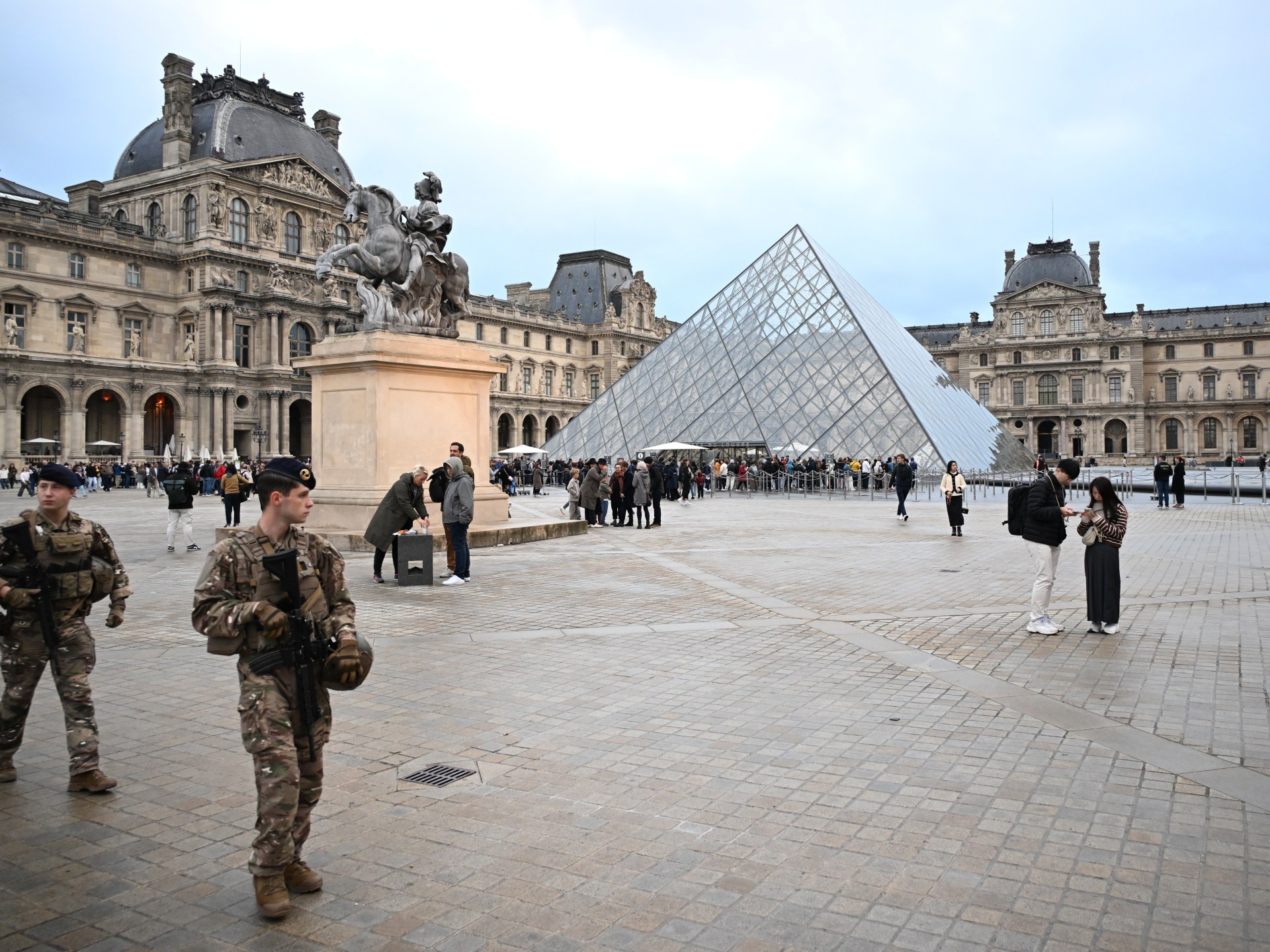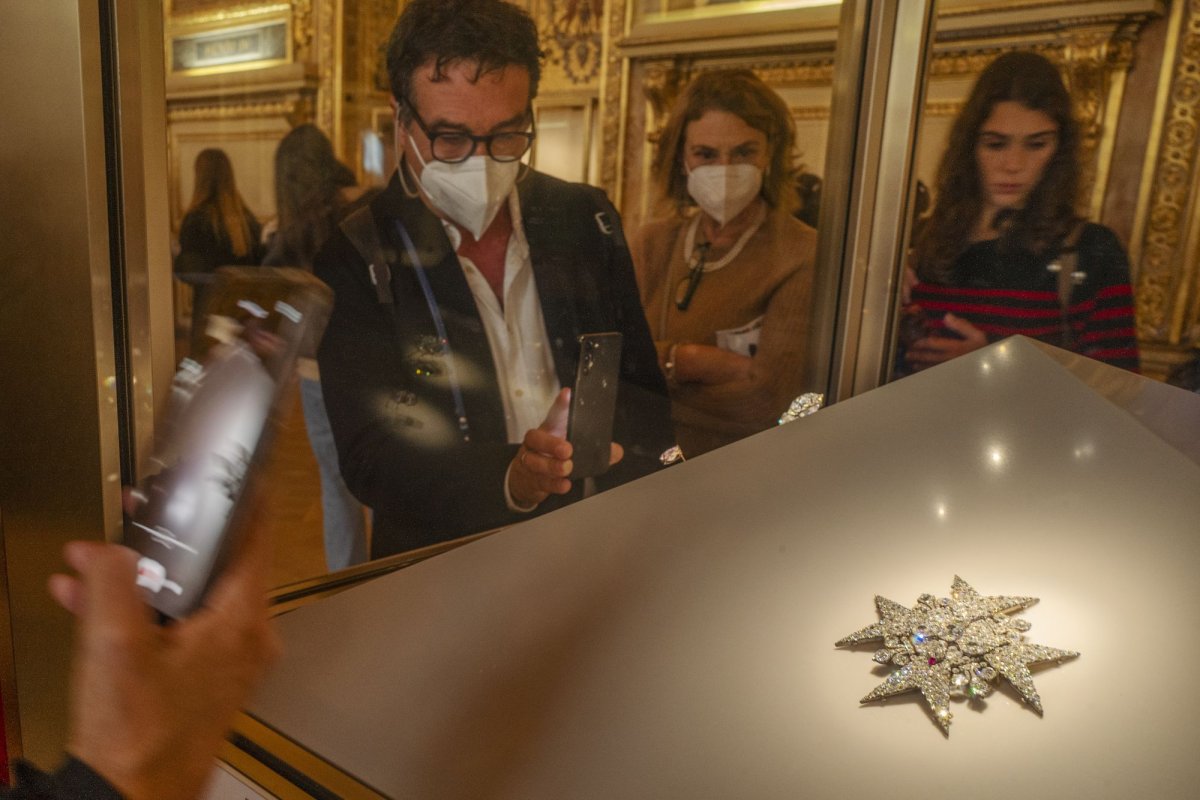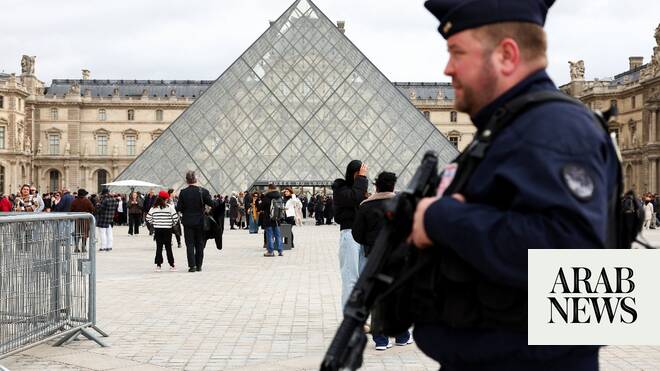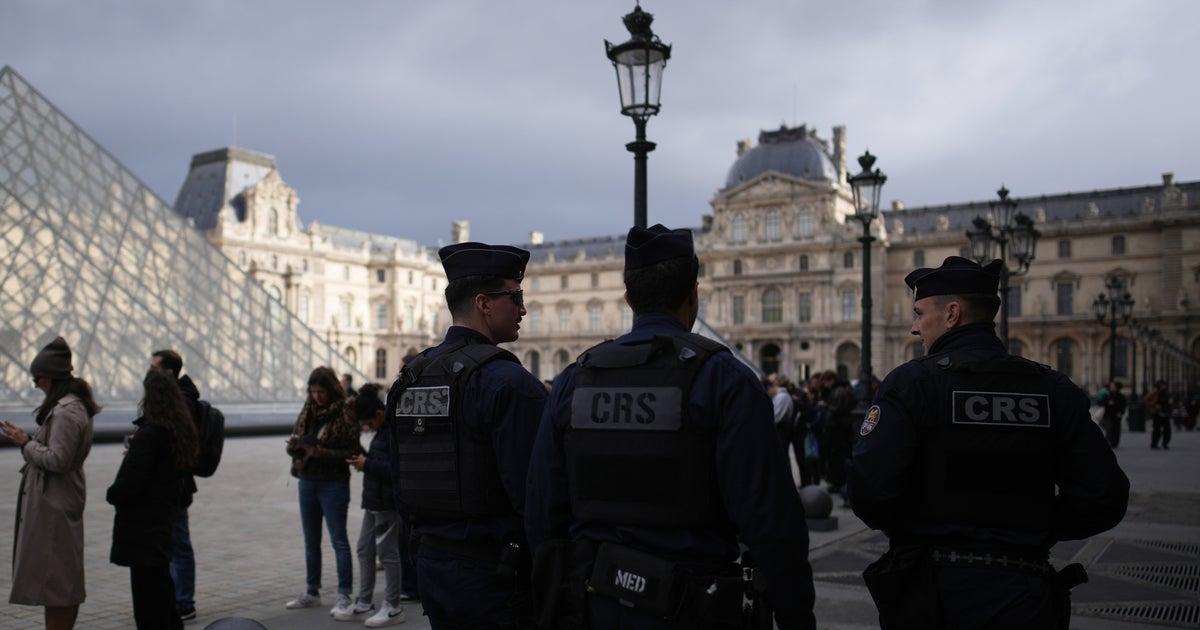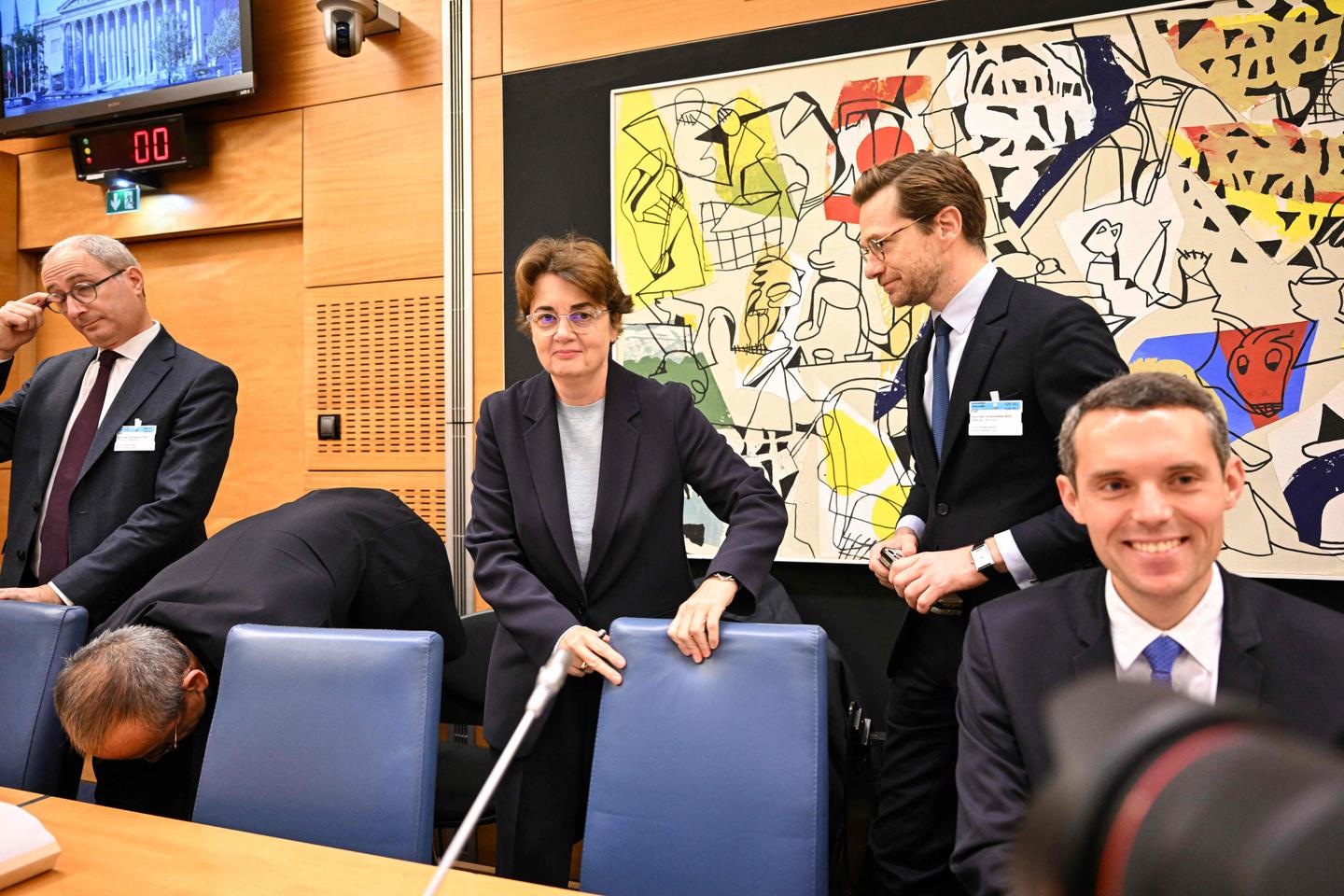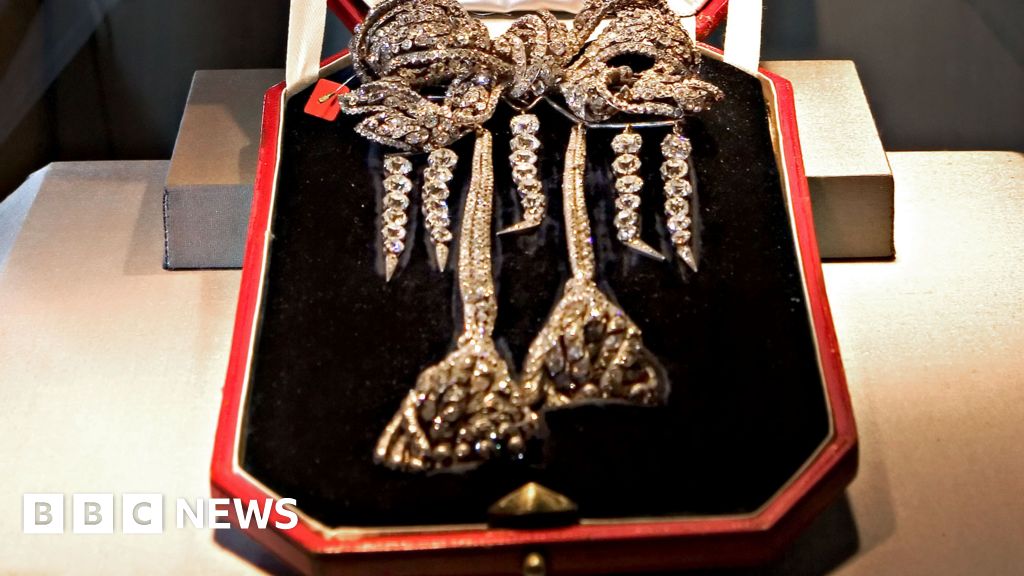
uring the Sénat hearing with Laurence des Cars, the Louvre's president and director, on Wednesday, October 22, lawmaker Annick Billon asked, "Is there any discussion about arming staff" in the museum? Dominique Buffin, in charge of visitor services and security at the institution recently robbed of eight pieces of jewelry valued at €88 million, immediately dismissed this idea. Yet, astonishingly, this option has begun to gain ground as soon as the incident occurred.
Thus, without any strict contradiction on air, Didier Giraud, one of the "Grandes Gueules" ("Big Mouths") on radio station RMC's debate show, was able to claim, with no regard for the facts, that in the United Kingdom, "the guys would have been shot." The commentator made it clear he favored a security system with armed guards. RMC even saw fit to highlight this wild speculation on its social media channels.
The immense, and justified, outcry over the Louvre theft, because it was indeed a catastrophe and there were undeniable failures requiring improvement, has given rise to a flurry of dubious ideas, even though these jewels are part of a history and memory that, to be honest, most people know nothing about. Just ask anyone at random about Queen Hortense, the Second Empire or even the definition of a diadem. Writer Sylvain Tesson was refreshingly honest when he told France Inter: "I live just 300 meters from the Louvre. I had never gone to see the Crown Jewels."